Employers ResourcesReading time: 8 minutes
Welder, Boilermaker or Sheet Metal Worker? A Hiring Guide
"Welder" and "boilermaker" aren't interchangeable. Here's how the five welding and fabrication trades actually differ, and which one your job needs.
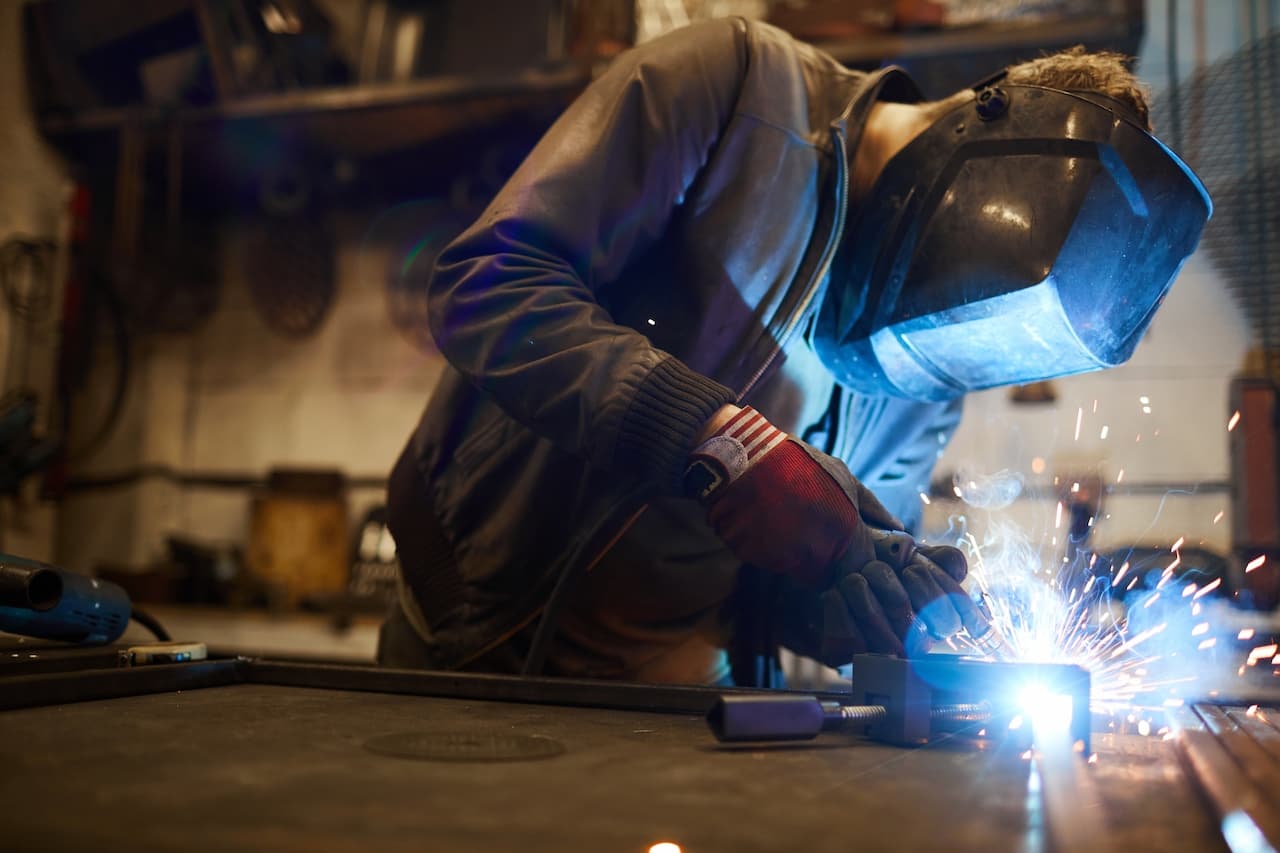
Written byYoungbrook Team
Published Date
Introduction
Brisbane’s fabrication and welding trades get treated as interchangeable far more often than they should be. A job ad for “a welder” can attract candidates who are genuinely qualified welders, candidates who are boilermakers with welding as one part of a broader skill set and candidates who don’t hold either qualification at the level the role actually needs. By the time that’s sorted out, you’ve usually lost a week and sometimes a bad hire.
This guide breaks down the five trades and engineering roles that get bundled under “welder” most often in Brisbane, what genuinely separates them and how to make sure the person who turns up is the person the job actually needs.
Why "I Need a Welder" Often Isn't the Full Brief
The trades that get bundled under “welder” cover a much wider range of skill and qualification than the job ad usually reflects, and that gap is where mismatched hires come from.
Job titles get used loosely across Brisbane workshops
“Welder” is used to describe a Certificate III-qualified tradesperson capable of structural, pressure-rated work, and it’s also used to describe someone running a single repetitive weld on a production line with far narrower training. Both might call themselves a welder. Only one of them might be coded. The title alone tells you very little about what the person can actually do once they’re on your floor.
Why getting this wrong costs you time, not just money
A mismatched hire on a welding or fabrication role rarely shows up on day one. It shows up in rework, in a job that takes three attempts instead of one, or in a candidate who’s technically a welder but has never worked to a weld procedure and can’t pass a test weld your client requires. Fixing that after the fact costs more than getting the brief right before you start.
This is exactly where a recruitment partner earns its place. We don’t take “I need a welder” at face value. We ask what the work actually involves, screen against that and only put forward people who can do the specific job, not just hold the matching title.
The Five Trades and What Actually Separates Them
Each of these roles sits under the same general banner of “welding and fabrication,” but the qualifications, materials and work environments behind them are genuinely different. Here’s what separates one from another.
First Class Welders — the baseline trade qualification
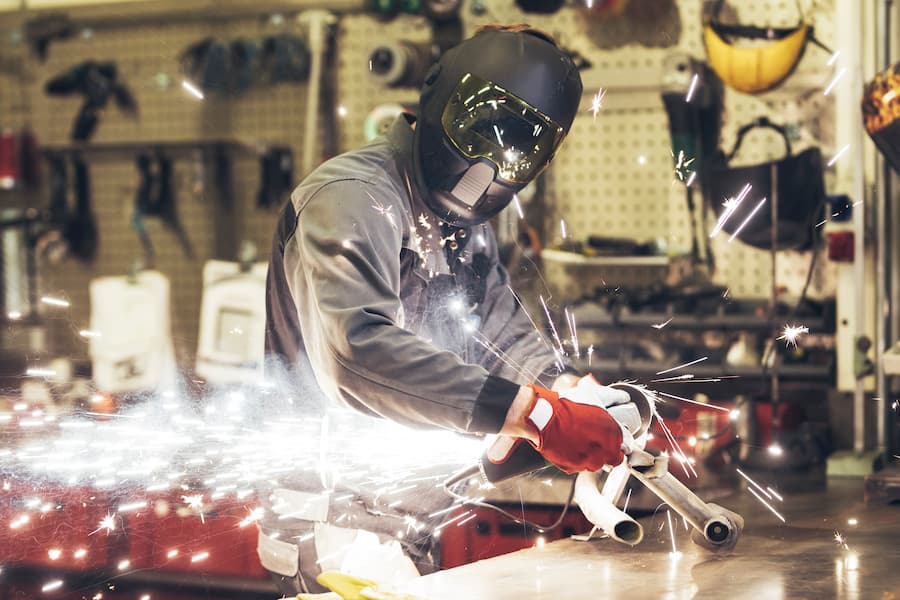
A First Class Welder holds a Certificate III in Engineering – Fabrication Trade and is trained to weld across multiple processes and material types. This is the formal classification most “qualified welder” candidates should hold, though process capability still varies: MIG as a baseline, TIG for stainless, aluminium or precision work.
Coded Welders — when weld procedure qualification matters
A Coded Welder has gone a step further and holds a weld procedure qualification, meaning their welds have been tested and certified to a specific standard. This matters anywhere the weld is structural or pressure-rated. If the job involves vessels, tanks or compliance-driven fabrication, “qualified welder” isn’t enough on its own. You need someone coded for that specific procedure.
Boilermakers — fabrication, not just welding
A Boilermaker also holds a Certificate III in Engineering – Fabrication Trade, but the role typically covers more of the fabrication process than welding alone: cutting, forming and assembling metal components from a drawing, not just joining them. Where a welder’s skill is concentrated in the join itself, a boilermaker’s work usually spans the build from start to finish.
Sheet Metal Workers — thinner materials, a different skill set
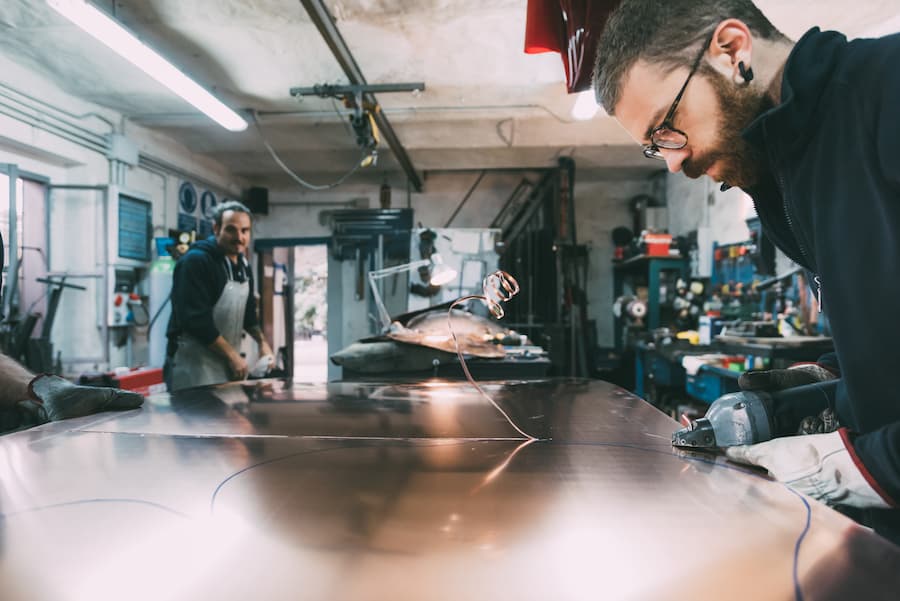
A Sheet Metal Worker works with thinner gauge materials than structural fabrication typically involves, using different forming, cutting and joining techniques suited to ductwork, panels and lighter fabricated products. It’s a related trade, but the tools, the material handling and the finish standard expected are distinct from heavier structural welding work.
Welding Inspectors — quality and compliance, not production welding
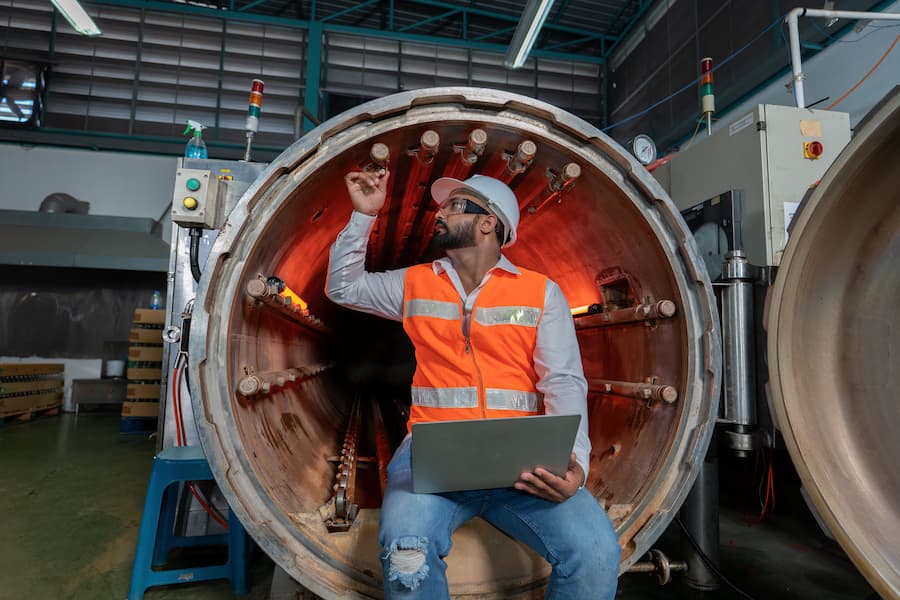
A Welding Inspector isn’t on the tools at all. Their role is verifying that welds meet the required standard, often through visual inspection and non-destructive testing, before a structure or vessel is signed off. For businesses with compliance obligations around pressure-rated or structural fabrication, this is a separate hire from any of the welding or boilermaking roles above, not a more senior version of the same one.
Matching the Trade to the Work
Knowing what separates these trades is only useful once it’s matched against what the job actually requires. The type of fabrication, where the work happens and how it connects to the rest of your operation all point toward a different hire.
Structural and pressure-rated fabrication
Work involving load-bearing structures, tanks or vessels needs a coded welder at minimum, and often a welding inspector involved at sign-off. This is where the qualification gap matters most: a competent but uncoded welder may produce a weld that looks fine and still fails to meet the standard the job requires.
Production and repetitive welding
Where the work is the same join repeated across a production run, a first class welder with the right process capability (MIG, TIG, or both depending on material) is usually the right fit, without needing the same level of weld procedure qualification a one-off structural job demands.
Site-based vs workshop-based work
Boilermakers and sheet metal workers are more likely to move between workshop and site, particularly on shutdowns or installation work, while production welding roles tend to stay workshop-based. This connects directly to Brisbane’s broader manufacturing sector, where fabrication and welding capability often sits alongside production and maintenance roles on the same site.
What to Check Before You Hire
Once you know which trade the job needs, the next step is making sure the person in front of you can actually do it, not just claim to.
Trade qualification and weld procedure tickets
Confirm the Certificate III qualification matches the role, and if the job is structural or pressure-rated, confirm the weld procedure ticket covers the specific process and material involved. A general coded welder ticket doesn’t automatically cover every application.
Material experience (mild steel, stainless, aluminium)
Process capability and material experience are two different things. Someone strong on mild steel MIG welding won’t necessarily be equally capable on stainless or aluminium TIG work. If the job is material-specific, ask directly rather than assuming process qualification covers it.
Test welds and reference checks over CV claims
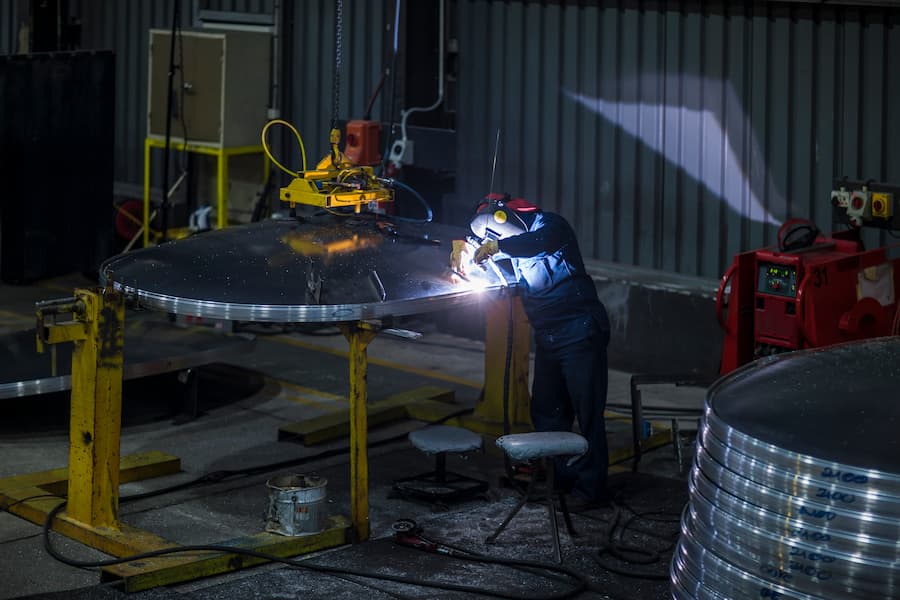
A CV can list a qualification. It can’t show you weld quality, consistency, or whether someone actually performs under the conditions your site requires. A test weld and a real reference check from a previous employer tell you more in twenty minutes than a resume tells you in a page. It’s the same standard we’d encourage any Brisbane trades employer to apply, whether hiring directly or through an agency.
Hiring Approach: Permanent, Contract or Labour Hire
Once you know the trade and you’ve confirmed the candidate can actually do the work, the last decision is how to engage them. The right model depends on how long the work runs and how predictable the demand is.
When each model suits welding and fabrication roles
Permanent recruitment suits ongoing production welding or fabrication roles where the work is continuous and team fit matters over time. Contract staffing fits project-based fabrication, shutdowns, or a fixed-term need where coded welders in particular are often engaged for the duration of a specific job. Labour hire works well for flexible capacity during growth periods, contract wins, or peak production where headcount isn’t confirmed yet.
Getting the Hire Right the First Time
Five trades, one job title. That’s the gap that causes most of the mismatched hires in Brisbane’s welding and fabrication market, and it’s avoidable once you know what to actually check before someone starts.
If you want the broader case for working with a recruitment partner across trades and manufacturing roles, rather than just this hiring decision, our guide on manufacturing and trades recruitment in Brisbane covers it in more depth.
About the Author
Youngbrook Team
Insights, advice, and industry updates from the Youngbrook Recruitment team, covering hiring, compliance, and workforce trends across Australia.
Ready to Hire? Talk to Youngbrook
Whether you need a coded welder for a single shutdown or a permanent boilermaker for an ongoing production line, getting the brief right from the start is what saves you the second hire. Submit a staffing enquiry below or speak to us directy.
Call us directly: 07 3399 6899
Office hours: Monday to Friday, 7am to 6pm
Latest Resources

Hiring Warehouse Staff in Brisbane: Which Role You Need
Storeperson, pick packer or inventory controller? They are not interchangeable, and hiring the wrong one costs you weeks. Here is what each warehouse role actually does, and how to work out which one your operation needs.
Youngbrook Team
Forklift Licence Classes: LF vs LO for Employers
Queensland has two forklift licence classes and they do not cover each other. What LF and LO each authorise, and what to put on your next job order.
Youngbrook Team
How to Classify Machine, Production and Process Workers
The Manufacturing Award classifies on training and supervision, not job titles. Machine operation alone spans three wage groups, and the gap costs money in both directions.
Youngbrook Team