Employers ResourcesReading time: 12 Minutes
How to Classify Machine, Production and Process Workers
The Manufacturing Award classifies on training and supervision, not job titles. Machine operation alone spans three wage groups, and the gap costs money in both directions.
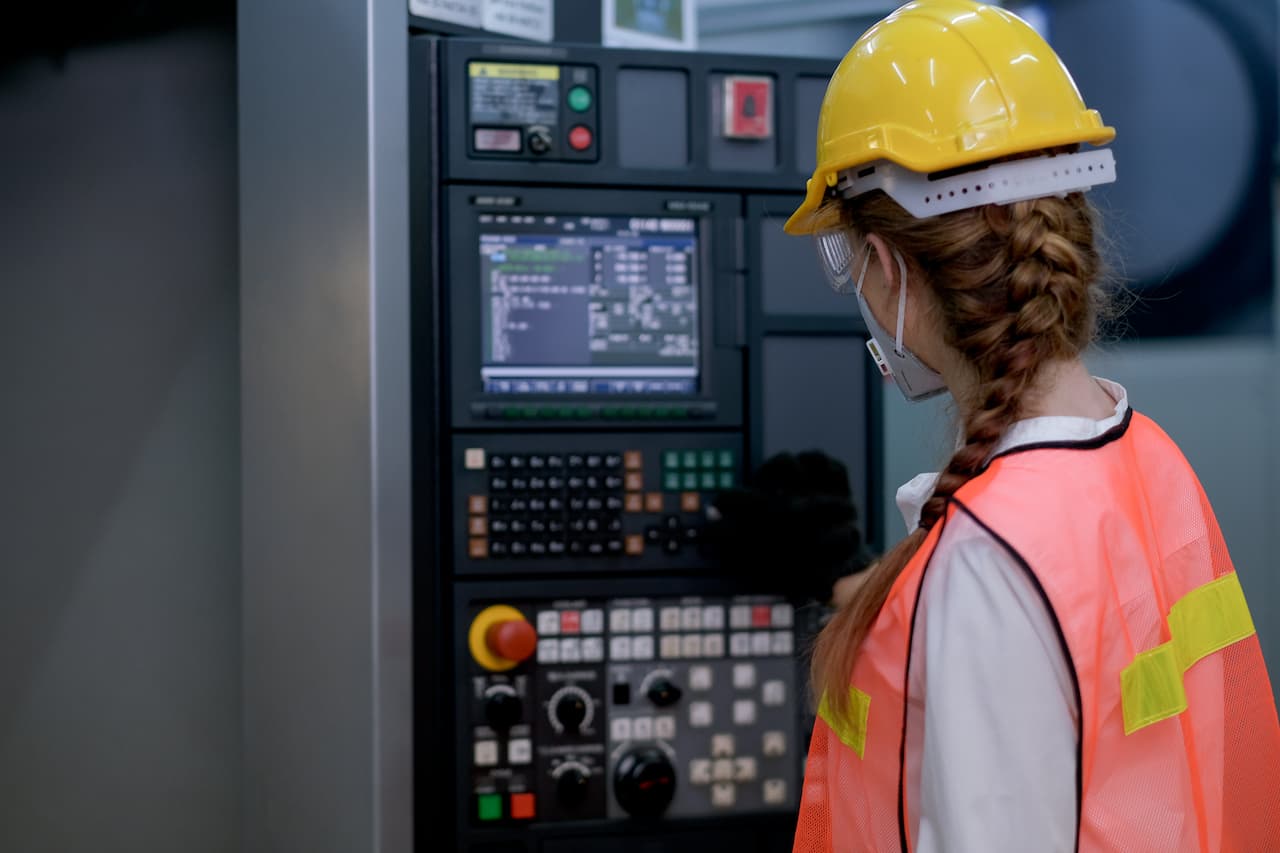
Written byYoungbrook Team
Published Date
Introduction
Two employers in Brisbane run the same equipment on the same shift pattern, and both advertised the role as a machine operator. One pays their operator at C13. The other pays C11. Neither has made an error, because the award that governs both sites never had any interest in what the job was called.
Most employers find this out late. A payroll audit turns something up, or a worker moves between two sites and notices the rates do not match, or a dispute forces a review of paperwork nobody has looked at since the person started. By then the gap has usually been running for a while.
The Manufacturing and Associated Industries and Occupations Award classifies people on two things: the training they have completed and the level of supervision they work under. Job titles are how employers describe roles to each other and to candidates, and they are useful for that. In the classification structure they carry no weight whatsoever, which means the title on your contract can be entirely accurate and still tell you nothing about what the person should be paid.
This guide covers what the award does classify, why machine operation alone spans three separate wage groups, and where the boundaries sit on a real production floor.
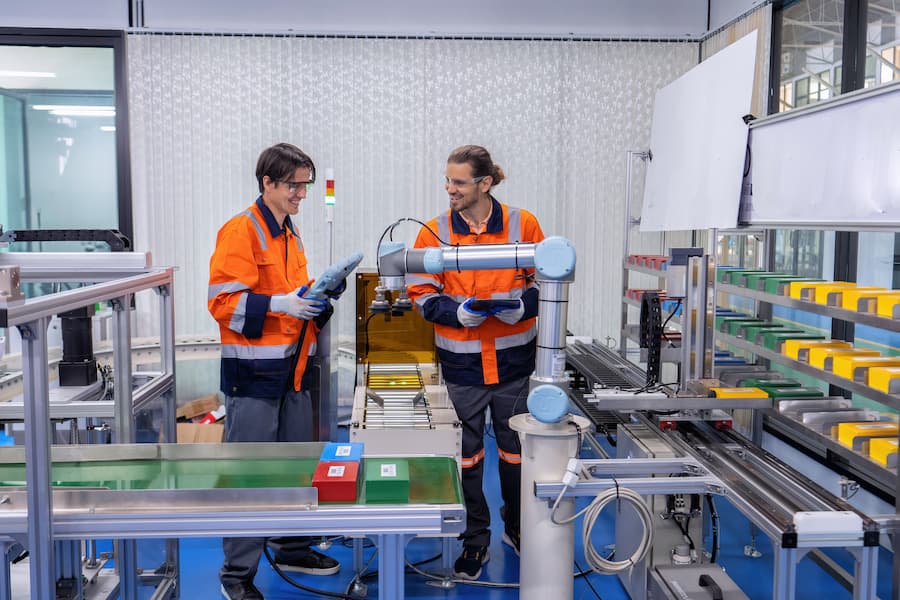
The Award Does Not Recognise Your Job Title
Open the award looking for “machine operator” and you will not find it, and the same goes for production operator. The structure runs on wage groups labelled C14 through to C1, and every descriptor attached to them deals with training and capability rather than occupations.
That surprises people, though it makes sense once you look at the scope. The award has to cover everything from a two-person fabrication shop to a food processing plant running three shifts, and job titles vary wildly between sites doing near-identical work. A structure built on titles would have collapsed under its own inconsistency.
All Three Titles Sit In One Field
The award splits employees into five vocational fields. The one covering production floors is engineering/manufacturing, defined as employees primarily engaged in production work including production, distribution, stores and warehousing, which does not require a qualification in the trade, technical, professional or supervisory fields.
Read that with your own floor in mind and you will notice how much it swallows. Machine operators sit inside it. So do production operators, process workers, pickers, packers and general hands.
One field, all of them. The three titles you are weighing against each other are not competing categories, and choosing between them settles nothing about pay. They are three ways of describing work the award has already grouped together. The separation happens somewhere the titles never reach: four wage groups running C14, C13, C12 and C11.
Above C11 sits C10, which requires a trade certificate and puts you in the market for trade-qualified manufacturing staff, a different problem with a different candidate pool.
“Process Worker” Is In The Award, But Not Where You Think
The term does appear, listed as an indicative occupation with a defined place in the structure, so an employer using it is not inventing anything. It appears in Schedule B.
Schedule B covers vehicle manufacturing employees. It is a separate stream with its own skill level definitions running V1 to V12 rather than the C-scale, and it reaches a narrow set of employers: those covered by the old vehicle manufacturing provisions as at 28 May 2020, and post-2020 employers principally engaged in vehicle manufacturing. Schedule A, which covers general manufacturing, does not list process worker anywhere.
So a Brisbane food and beverage producer advertising for process workers is borrowing a term the award recognises for somebody else. Their people are classified under Schedule A on the C-scale, and the title says nothing about where on that scale anyone lands.
None of which makes the title wrong to use. It is well understood across the industry, candidates search for it, and abandoning it would cost you applications. The problem starts only when it gets treated as though it settles something.
What Actually Settles It
The award is explicit here. Where competency standards are implemented at an enterprise, or where an employee’s classification is called into question, the issue is settled by applying the National Metal and Engineering Competency Standards, or by reference to the minimum training requirement in the relevant classification definition. Two routes, and neither of them is job title.
Where the competency standards route does not apply, the award sends you to the Schedule A definitions read together with the indicative tasks. Both parts, not one or the other. The definitions set out training and supervision levels in fairly abstract terms, and the indicative tasks anchor them to real floor activity. Reading one without the other is where a great deal of misclassification begins.
There is a practical obligation attached that catches employers out. When you engage a casual, you must tell them their classification level and rate of pay. For part-time employees the requirement is firmer still, because the classification applying to the work has to be agreed in writing before they start. Paperwork that says “machine operator” and stops there has recorded a title and left the classification undetermined.

What Actually Moves Someone Up a Level
Three things set the wage group: training completed, supervision required, and what the person actually does. The award covers the first two in its classification definitions and the third in a separate list of indicative tasks. Both halves matter.
The Four Levels in Brief
C14 is an entry point. Up to 38 hours of induction training, routine manual duties, general labouring and cleaning, minimal judgement, direct supervision. The award describes a C14 as undertaking structured training to enable them to work at C13, which tells you the level assumes movement. Someone still sitting there after two years has outgrown the classification.
C13 requires up to three months of structured training. Standard operating procedures, direct supervision, basic quality control including recognising deviations and faults. The indicative tasks include repetition work on automatic, semi-automatic or single purpose machines, assembly from basic instructions, repetitive packing, hand trolleys and pallet trucks.
C12 requires an Engineering Production Certificate I or Certificate II in Engineering. Supervision shifts from direct to routine, the employee owns the quality of their own work and exercises discretion within their training. Indicative tasks include machinery requiring skill beyond C13, receiving and despatching, basic inventory control, accurate measurement, and operation of mobile equipment including forklifts and cranes. That last group matters for any Brisbane site where production and warehousing operations share a floor, because the award treats both as C12 work rather than splitting them across two classifications.
C11 requires an Engineering Production Certificate II or Certificate II in Engineering Production Technology. Complex instructions, general supervision, coordinating a team, assuring own quality. The indicative tasks name machine rigging (certificated), setting, loading and operation, precision measuring instruments, basic fault finding, and quality checks on the work of others.
Two Things That Fall Out of This
Forklift operation appears at C12, and again at C11 for licensed operation above the C12 level. The ticket sits in two wage groups. What separates them is the level the person operates at, not whether they hold the licence. It also narrows your candidate pool, which is one of the reasons warehouse roles in Brisbane stay open longer than employers expect.
Machine operation appears at three levels. That is where this gets expensive for Brisbane manufacturers, and it is worth working through properly.

Machine Operation Spans Three Classification Levels
Put those four levels next to a single job title and the problem becomes obvious. Repetition work on automatic and semi-automatic machines sits at C13. Machinery requiring skill and knowledge beyond that sits at C12. Machine rigging, setting, loading and operation sits at C11. Same two words on the job ad, three different wage groups underneath.
Running the Machine Versus Setting the Machine
The useful question is what happens when the product changes.
Someone who keeps a running line fed, watches the output, clears simple jams and escalates anything unusual is doing repetition work on a machine that somebody else configured. The award puts that at C13, and it is the bulk of what most people picture when they hear the words machine operator.
Now take the person who moves the machine from one product to another. They dial in the settings, run the first-off, check it against spec and release it back to production. That is setting the machine, and the award names it directly in the C11 indicative tasks: rigging, setting, loading and operation. Whether they are called a setter, a line lead or one of your production operators makes no difference to where the award puts them.
C12 sits between the two and is defined by comparison rather than by task. Machinery requiring skill and knowledge beyond C13, with no further detail, because the award cannot spell out what that means across every kind of plant it covers. A packaging line and an injection moulder both need operators, and beyond C13 describes something different on each.
Where the Boundary Actually Sits
There is no clean test, and pretending otherwise would not help you.
Most operators do a bit of all three. They run the machine for most of the shift, handle a changeover twice a week, and occasionally clear a fault that would otherwise pull a fitter off something else. The award anticipates exactly this. An employee engaged on work carrying a higher rate for more than two hours in a day or shift is paid the higher rate for that entire shift, and for two hours or less, for the time actually worked.
So the question is not only what someone does but how often and for how long. A person setting machines daily sits somewhere different from one covering a setter’s absence once a month, even though the task list looks identical on paper.
Equipment complexity moves the line as well. Beyond C13 on a semi-automatic filler is a lower bar than beyond C13 on a multi-head CNC cell. Two Brisbane sites can classify the same duties differently and both be defensible, which is precisely why the job title on its own tells you nothing.
When the Title Outlasts the Duties
Classification drift is the common version of this problem, and it almost never involves anyone acting badly.
Someone starts on a line at C13. Six months in they are trusted with changeovers. A year in they are training new starters and clearing faults without asking. The duties moved steadily and nobody marked the point where they crossed a threshold, because there was no single day when it happened.
The title on the contract stayed put. So did the rate.
Nobody decided to underpay that person. The role grew and the paperwork did not follow, which is a different failure and a very common one. But the award classifies on what someone does now, not what they were hired to do, and a title that was accurate on day one is not much of a defence once the duties have moved past it. If your best operators have quietly become your setters, the classification needs to catch up with them.

Getting the Mix Wrong on a Production Floor
Classification errors run in both directions, and the two failure modes cost you differently.
Over-Classifying and Under-Classifying
Over-classifying is the quieter one. A site standardises on a single rate because it keeps payroll simple and avoids awkward conversations between people doing similar-looking jobs. Everyone on the floor gets paid at the setter’s level, including the process workers doing repetitive packing at what the award would call C13. Nobody complains, because nobody is worse off. The cost just sits there, shift after shift, and it compounds across a roster.
Under-classifying is the expensive one. If someone has been performing C11 duties on a C13 rate, the shortfall is recoverable, and it runs back across the whole period the duties were being performed rather than from the date somebody noticed. Add superannuation calculated on the correct figure, plus penalties and overtime that were all struck off the wrong base, and a modest hourly gap becomes a meaningful number over eighteen months.
Neither situation usually involves anyone acting badly. Both come from the same source: a classification decision made once, at hire, and never revisited.
Where Labour Hire Sits
The award covers employers who supply labour on an on-hire basis, and on-hire employees are classified under the same structure as the host site’s direct employees. Same wage groups, same descriptors, same indicative tasks.
The obligation sits with the on-hire employer, not the host. That is worth understanding if you are using labour hire or temporary staffing to cover shift gaps, because it means the classification call is being made by someone who is not standing on your floor watching what the person actually does.
A good agency asks about the equipment, the changeovers and the level of supervision before they quote. One that asks only for a job title and a rate is guessing, and the guess is being made on your site with your production standards riding on it.

Sources
Fair Work Ombudsman Pay Guide MA000010, effective 1 July 2026
Manufacturing and Associated Industries and Occupations Award 2020, Schedule A: Classification Structure and Definitions
Fair Work Ombudsman award summary, MA000010
Manufacturing Award Classification Levels and Rates
| Level | Classification | Training requirement | Ordinary hourly | Casual hourly |
|---|---|---|---|---|
| C14 | Engineering/Manufacturing Employee Level I | Up to 38 hours induction training | $25.74 | $32.18 |
| C13 | Engineering/Manufacturing Employee Level II | Up to 3 months structured training | $26.44 | $33.05 |
| C12 | Engineering/Manufacturing Employee Level III | Engineering Production Certificate I or Certificate II in Engineering | $27.08 | $33.85 |
| C11 | Engineering/Manufacturing Employee Level IV | Engineering Production Certificate II or Certificate II in Engineering Production Technology | $27.97 | $34.96 |
Rates are for adult employees in general manufacturing and apply from the first full pay period on or after 1 July 2026. Casual rates include the 25% loading. Shift, weekend, public holiday and overtime penalties apply on top.
Award rates are reviewed annually and change each 1 July, so check the current pay guide before relying on these figures. C10, the trade-qualified level directly above C11, is the award’s standard rate benchmark at $29.45 ordinary and $36.81 casual.
About the Author

Youngbrook Team
Insights, advice, and industry updates from the Youngbrook Recruitment team, covering hiring, compliance, and workforce trends across Australia.
Hiring Machine Operators, Production Operators and Process Workers in Brisbane
Getting the classification right starts with knowing what the role actually involves on your floor, not what it gets called on the ad. We work with Brisbane manufacturers across food and beverage, industrial production and building products, and we ask about the equipment, the changeovers and the supervision before we put anyone forward.
Call us directly: 07 3399 6899
Office hours: Monday to Friday, 7am to 6pm
Latest Resources

Hiring Warehouse Staff in Brisbane: Which Role You Need
Storeperson, pick packer or inventory controller? They are not interchangeable, and hiring the wrong one costs you weeks. Here is what each warehouse role actually does, and how to work out which one your operation needs.
Youngbrook Team
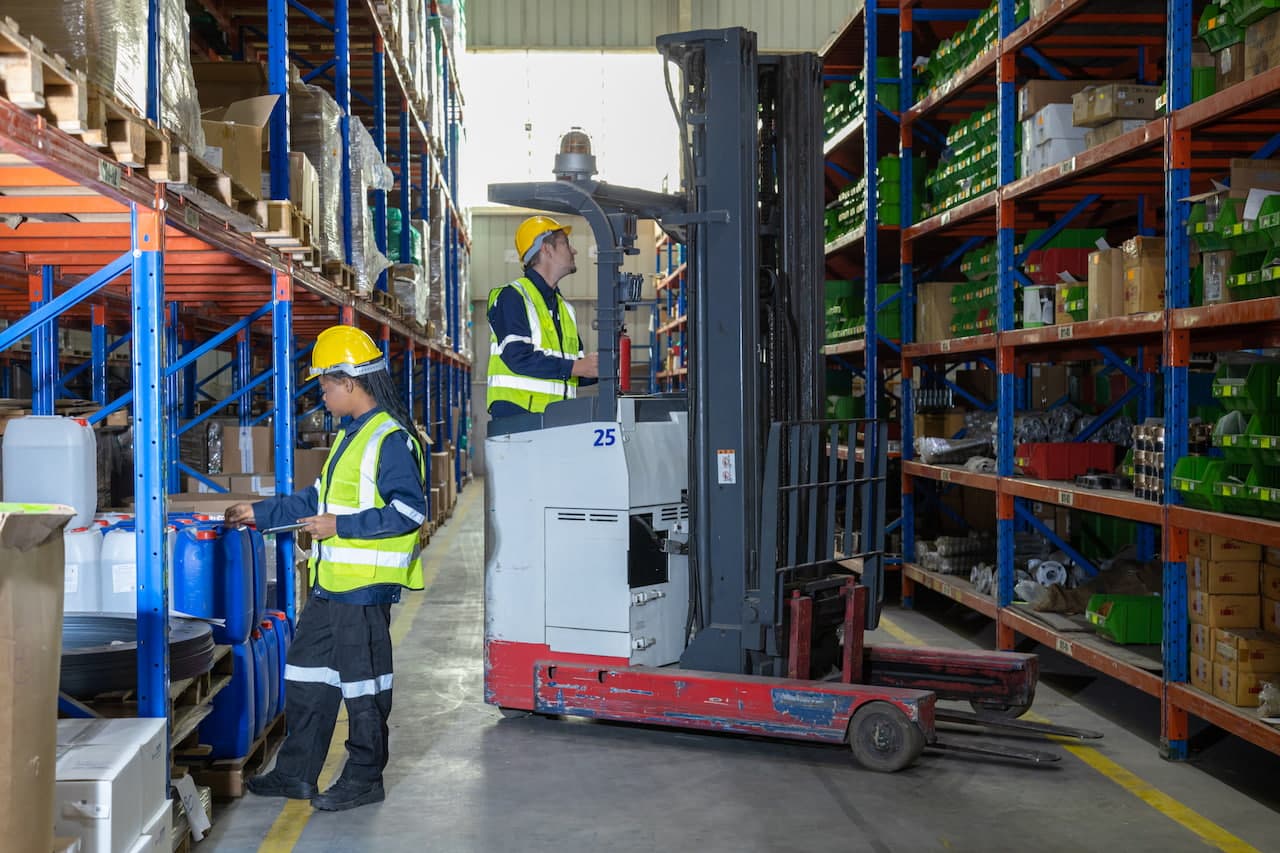
Forklift Licence Classes: LF vs LO for Employers
Queensland has two forklift licence classes and they do not cover each other. What LF and LO each authorise, and what to put on your next job order.
Youngbrook Team

Payday Super: What Labour Hire Users Need
From 1 July 2026, super must be paid every payday, not quarterly. Here's what Brisbane employers using labour hire need to check on liability, cash flow and provider readiness before the deadline.
Youngbrook Team