Employers ResourcesReading time: 10 minutes
Manufacturing and Trades Recruitment in Brisbane: The Real Benefits
Brisbane's manufacturing and trades sector is competitive and the best workers are rarely looking. This guide covers the real benefits of working with a recruitment agency for your operations and for the people you are about to hire.
Written byYoungbrook Team
Published Date
Introduction
Finding a reliable sparky, a qualified fitter, or an experienced boilermaker in Brisbane right now is not as simple as putting an ad up and waiting.
The market has shifted, the pipeline of work has grown, and the tradies with the right tickets and the runs on the board are not sitting around refreshing Seek.
This is not a complaint about the labour market. It is just the reality of where Brisbane’s industrial sector sits in 2026. For manufacturers, engineering firms, and industrial operations trying to build or maintain a capable workforce, understanding that reality is the starting point for doing something useful about it.
The Brisbane Trades Market Right Now
Brisbane’s trades sector is busy. Not in a vague, general sense, but in a measurable, operational sense that affects how long roles take to fill and how many genuine options employers have when a position opens up. And the pressure is not spread evenly. Each trade carries its own supply problem.
Electricians: licensed, in demand, and spoilt for choice
Every industrial operation needs licensed electricians, and so does every commercial fit-out, infrastructure project and construction site in South East Queensland. That overlap is the problem. An experienced industrial electrician can choose between maintenance work, project work and construction, which means manufacturers are competing with sectors that often pay more for the same licence. If you are trying to hire electricians in Brisbane for plant or maintenance roles, speed and a clean process matter more than ever.
Fitters: the backbone trade with the thinnest bench
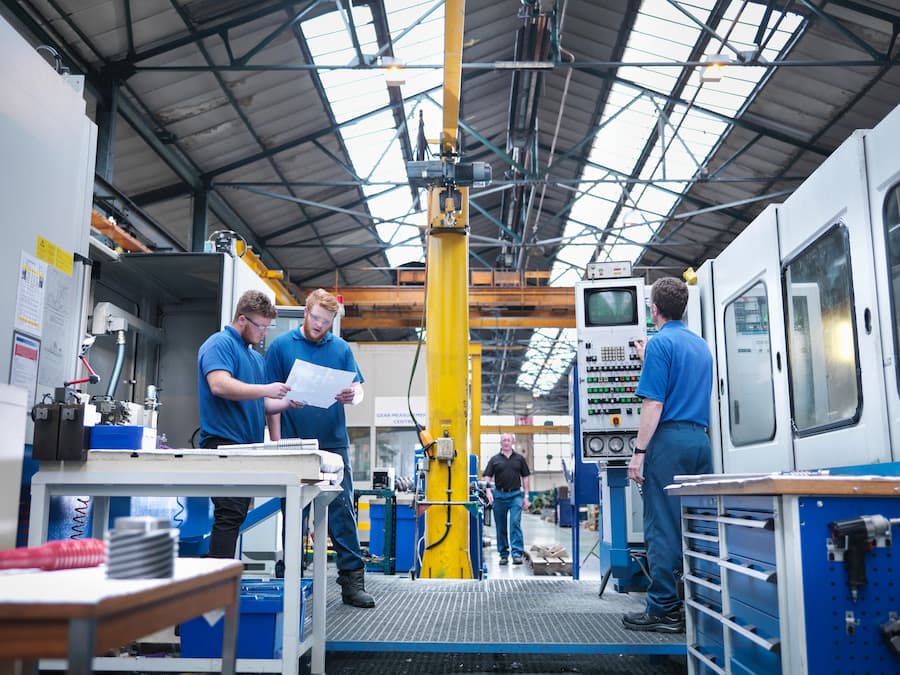
Mechanical fitters keep production lines, plant and equipment running, and the pool of trade-qualified fitters with genuine industrial experience is tight. The best ones are already embedded in maintenance teams or committed to project work. Whether you need mechanical fitters for ongoing maintenance or fitter machinists who can move between the tools and the machines, waiting for applications is the slowest possible route to either.
Boilermakers and fabrication trades: experience is everything
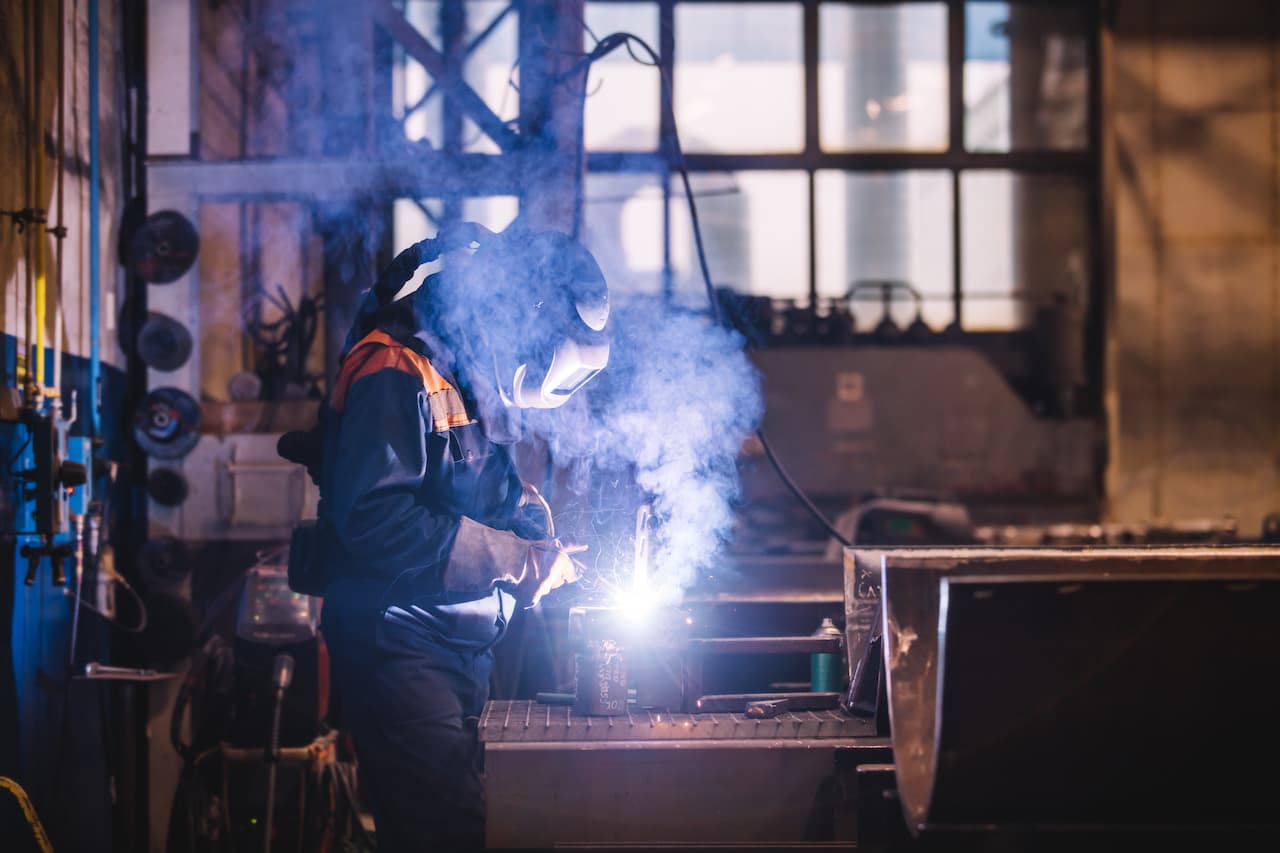
Fabrication is a trade where the difference between adequate and excellent shows up in rework, weld quality and how fast a job moves through the shop. Experienced boilermakers and sheet metal workers with structural and manufacturing backgrounds rarely stay available for long, and the ones with shutdown experience are usually booked before the schedule is even confirmed.
Welders: qualifications narrow the pool fast
“Welder” covers a wide range of skill levels, and the requirements of the job narrow the candidate pool quickly. A general fabrication role might have options. A role that needs coded welders qualified to specific weld procedures, or first class welders for pressure or structural work, is fishing in a much smaller pond. If the work also needs certified oversight, welding inspectors are scarcer still.
Diesel fitters and mechanics: transport and fleet are hurting
Anyone running trucks, plant or fleet equipment in Brisbane knows how hard it has become to find diesel fitters and mechanics. Mining and civil projects pull these trades out of the metro market with pay rates most transport and manufacturing operations cannot match, so the employers who win are the ones who move fast when a good candidate surfaces.
Across all of these trades, the pattern is the same. Businesses are competing for the same people, and the candidates who are genuinely skilled and genuinely available tend to have more than one option in front of them at any given time. The employers who move quickly and make the process easy tend to win. The ones who take a week to review applications and another week to schedule interviews tend to find their shortlist has already started somewhere else.
The Olympics and infrastructure pipeline are changing the equation
The 2032 Olympics is not just a sporting event. For Brisbane’s trades and engineering sector, it represents years of sustained project work across construction, fit-out, maintenance, and infrastructure delivery. That pipeline is already active and it is pulling experienced workers into long-term project commitments that reduce their availability for manufacturing and industrial roles.
Layer on top of that the broader infrastructure expansion happening across South East Queensland, and the competition for skilled tradies starts to look less like a temporary tightness and more like a structural shift. We looked at how this plays out across Brisbane’s industrial corridors in our guide to hiring staff in Brisbane’s industrial areas.
Why Job Boards Only Show You Part of the Picture
Here is something worth sitting with. The candidates who respond to your job ad are, almost by definition, the ones who were already looking. That is a subset of the available talent pool, and in trades, it is often not the most experienced subset.
The best fitter in your industry is probably already working. So is the boilermaker with twenty years across shutdowns and maintenance projects. They are not on Seek this afternoon. They are on the tools.
The candidates you actually want are already employed
Experienced tradies with strong track records tend to move through word of mouth, through relationships, and through recruiters who already know them. They don’t need to look — opportunities come to them. If your hiring strategy relies entirely on inbound applications, you are fishing in a smaller pond than you think.
This is not a criticism of job boards. They serve a purpose. But for roles where experience, specific ticketing, or site readiness genuinely matter, waiting for the right person to find your ad is a slow and unreliable strategy.
Networks built over years, not algorithms
A recruiter who has been placing trades and engineering professionals across Brisbane for years has something no job board can replicate — they know who is good, who is reliable, and who might be open to a conversation even if they are not actively looking. Those relationships take time to build and they are not available to an employer running a solo hiring process.
When you work with an agency that genuinely knows the trades and engineering market in Brisbane, you are not just getting access to a database. You are getting access to a network that has been built through years of placements, referrals, and industry relationships.
Shutdown Workforces: Speed and Reliability Are Everything
Shutdowns are a different beast. The window is fixed, the scope is defined, and every day the plant is offline costs money. There is no room for a hiring process that takes three weeks to produce five candidates. You need the right people, in the right numbers, ready to work — and you need them fast.This is where the difference between posting a job ad and calling a recruiter becomes very tangible, very quickly.
What makes shutdown recruitment different
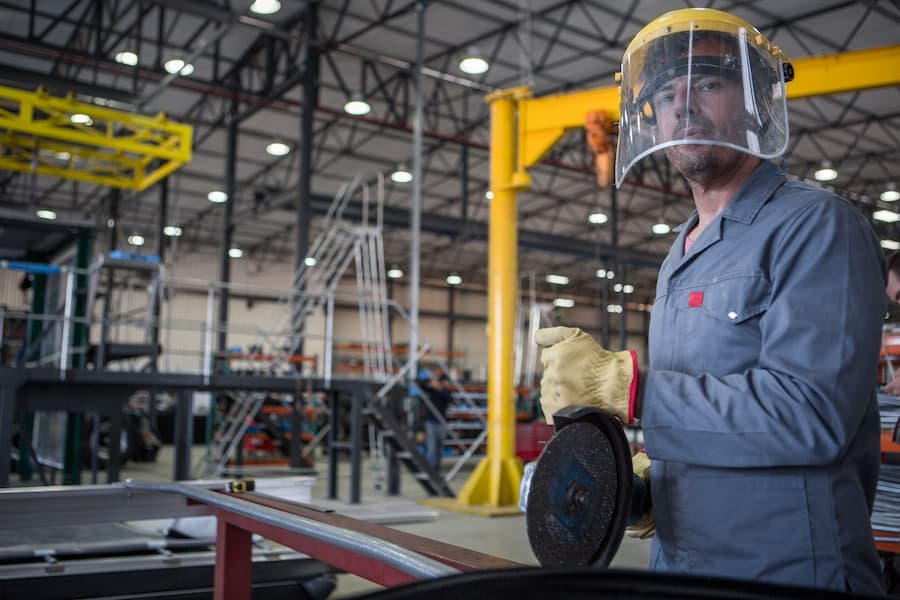
A shutdown crew is not just a group of tradies thrown together. It is a coordinated workforce — electricians, fitters, boilermakers, mechanical technicians — each with the right tickets, the right experience for the scope of work, and the reliability to show up every day until the job is done. One weak link in that crew affects the whole timeline.The other thing that makes shutdowns different is the notice period. Or more accurately, the lack of it. Shutdown schedules change, scopes expand, and sometimes the call comes with less lead time than anyone planned for. An employer trying to build that crew through job boards alone is already behind.
How Youngbrook built a shutdown crew fast
Our team was once asked to put together a shutdown workforce of 40 tradies in five days. Not forty warm bodies, forty experienced, ticketed, site-ready professionals across multiple disciplines.
They delivered.
The project finished ahead of schedule. The CEO flew in from the United States and personally handed out an early completion bonus to every worker involved, on site. That does not happen without the right people in the right roles from day one.
That kind of result is only possible because the relationships, the vetting, and the knowledge of who is available and capable already existed before the call came in. You cannot build that network in a week. You either have it or you don’t.
For businesses that rely on labour hire to staff shutdowns and project-based work, having a recruiter who already knows your site requirements and workforce standards makes every future engagement faster and lower risk.
When the Unexpected Happens
Not every workforce gap comes with a planning meeting and a project timeline. Some of them arrive at 6am on a Monday with no warning at all.
Emergencies, breakdowns, and situations nobody planned for
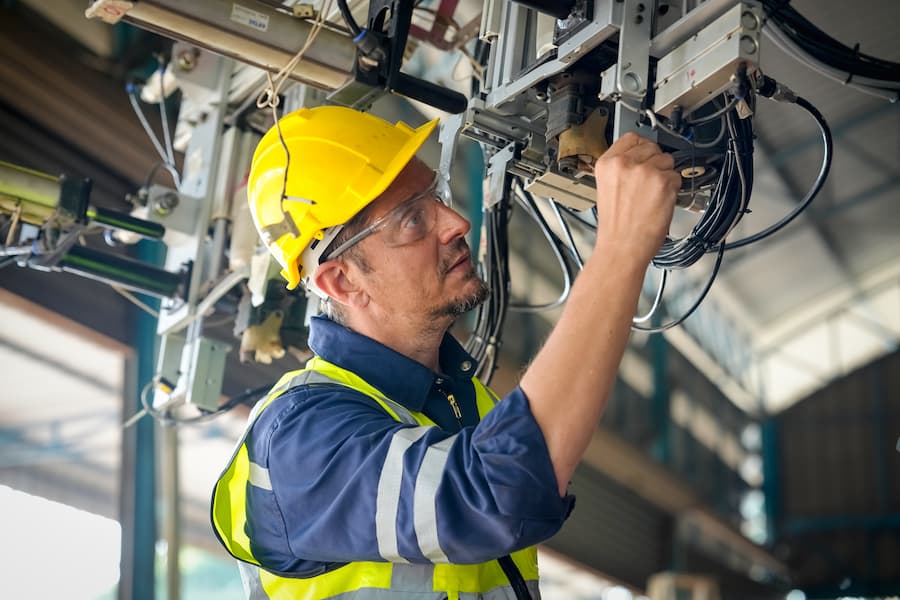
An electrical fault takes out a production line. A natural disaster disrupts a facility. A key contractor pulls out forty-eight hours before a critical maintenance window. In any of these situations, the question is not “what is our hiring process?” It is “who do we call right now?”
This is one of the most underappreciated reasons manufacturing and industrial businesses build relationships with recruiters before they need them. When something goes wrong and the clock is running, having a single call that puts experienced, vetted tradespeople on site within hours is not a luxury. It is operational continuity.
Scaling as the project grows
The other scenario that catches businesses off guard is not a crisis but a success. A contract expands. A client brings forward a delivery date. A project that was scoped for twelve people suddenly needs twenty-two.
Scaling a workforce quickly without compromising on quality is genuinely difficult to do alone. The temporary staffing model exists precisely for this situation — giving businesses the ability to grow their crew in step with the project, then scale back when the work is done, without carrying permanent headcount they do not need.
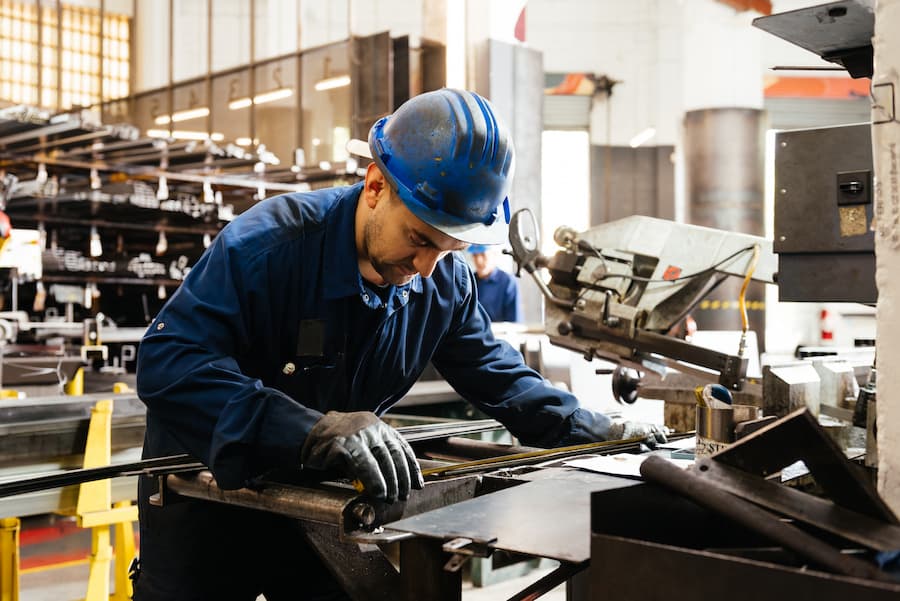
What You Actually Get When You Work With a Trades Recruiter
There is a version of this section that lists dot points about our process and uses the word “streamlined” at least twice. We are not going to do that.
Instead, here is what working with a recruiter who knows Brisbane’s trades and engineering market actually looks like in practice.
You get access to candidates who are not on the market. Experienced tradies who are employed, not desperate, and open to the right conversation if someone they trust brings it to them. That someone is not a job ad. It is a recruiter with a relationship.
You get market knowledge that is current and specific. Not a salary guide from eighteen months ago. Real information about what qualified fitters are earning right now, which disciplines are tightest, which suburbs your target candidates are coming from, and what your competitors are offering. That context shapes better hiring decisions.
You get speed when you need it most. Whether it is a shutdown crew, an emergency gap, or a project that just doubled in scope, having a recruiter who already knows your operation and your standards means the response time is measured in hours, not weeks.
And for the worker, the experience is different too. Rather than firing off applications into the void, they have a single point of contact who understands what they are looking for, advocates for them in the process, and handles the back and forth so they can stay focused on the job they are already doing. That kind of representation attracts better candidates, which means better outcomes for employers.
Good recruitment is not a transaction. It is a relationship that gets more valuable every time you use it.
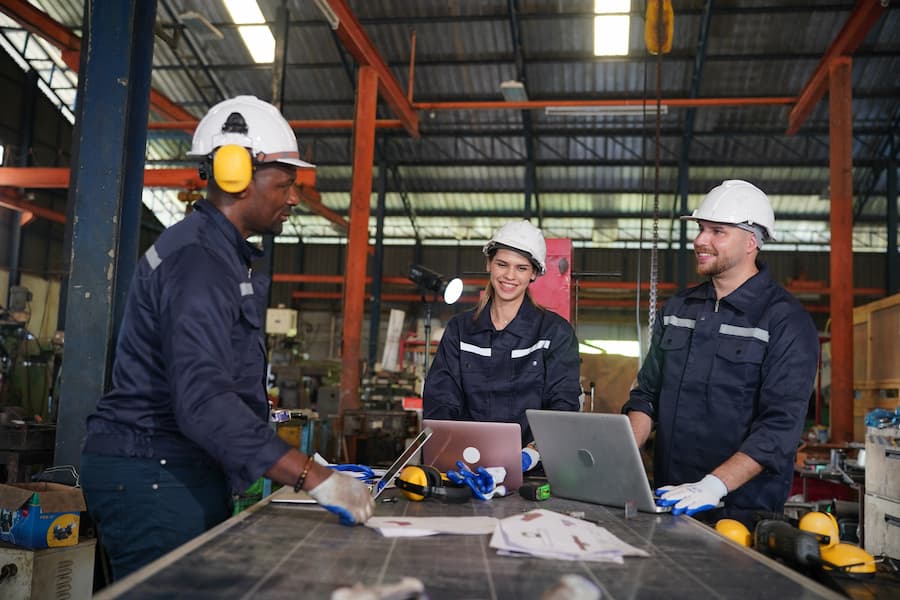
What Does This Mean for the People You Are About to Hire?
Recruitment is usually talked about from the employer’s side. But the workers coming through that process have a stake in it too, and how that process runs shapes the kind of candidate you end up with.
They arrive prepared, not just placed
When a tradie comes through a recruiter they trust, they arrive differently. Someone has taken the time to understand what they are looking for, matched them to a role that genuinely fits, and advocated for them through the process. That is not the experience of someone who fired off fifteen applications on a Sunday night and accepted the first offer that came back.
Someone in their corner
A recruiter acts as a single point of contact through the whole process — handling the back and forth, negotiating on the candidate’s behalf, and making sure expectations on both sides are clear before anyone starts. For experienced tradies who are not actively looking but open to the right opportunity, that personal approach is often the only reason they are in the conversation at all.
What that means for you
The result is a candidate who showed up because someone they respect told them it was worth their time. That is a different starting point than someone who found you on a job board at 11pm.
We cover the full picture from the candidate side in our guide to working with a recruitment agency as a trades professional.
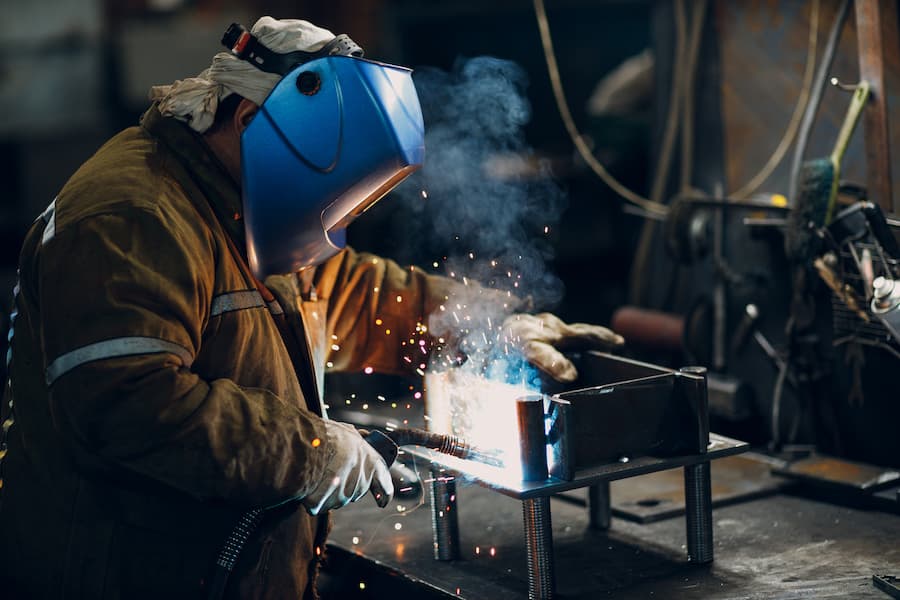
Benefits at a Glance
| For Employers | For Candidates |
|---|---|
| Access to experienced, ticketed tradies not on job boards | Access to roles that never reach job boards |
| Networks built over years of industry relationships | A recruiter who advocates for you personally |
| Market knowledge on rates, availability, and competition | Someone who negotiates on your behalf |
| Fast shutdown crew assembly when the window is tight | Single point of contact through the whole process |
| Emergency workforce coverage within hours | Matched to roles that fit your experience and preferences |
| Scale workforce up and down with the project | Placed by someone who understands your trade and sector |
| Reduced time-to-fill across all trades disciplines | No need to navigate multiple applications alone |
About the Author
Youngbrook Team
Insights, advice, and industry updates from the Youngbrook Recruitment team, covering hiring, compliance, and workforce trends across Australia.
Ready to Hire? Talk to Youngbrook
Brisbane’s trades market is not getting quieter. If you are trying to build a reliable team, staff a shutdown, or respond to something that just landed on your desk, we are ready to move quickly with people who are genuinely good at what they do.
Call us directly: 07 3399 6899
Office hours: Monday to Friday, 7am to 6pm
Latest Resources

Hiring Warehouse Staff in Brisbane: Which Role You Need
Storeperson, pick packer or inventory controller? They are not interchangeable, and hiring the wrong one costs you weeks. Here is what each warehouse role actually does, and how to work out which one your operation needs.
Youngbrook Team
Forklift Licence Classes: LF vs LO for Employers
Queensland has two forklift licence classes and they do not cover each other. What LF and LO each authorise, and what to put on your next job order.
Youngbrook Team
How to Classify Machine, Production and Process Workers
The Manufacturing Award classifies on training and supervision, not job titles. Machine operation alone spans three wage groups, and the gap costs money in both directions.
Youngbrook Team