Career ResourcesReading time: 8 minutes
Manufacturing Jobs Brisbane: Roles, Pay and How to Get Started
Brisbane has a lot of manufacturing work. The problem most job seekers run into isn't that the jobs aren't there. It's knowing which roles match their background, what they pay, and how to get started without a long history in the industry.
Written byYoungbrook Team
Published Date
Introduction
Brisbane has a lot of manufacturing work. The problem most job seekers run into isn’t that the jobs aren’t there. It’s knowing which roles actually match their background, what they pay, and how to get a foot in the door without a long history in the industry.
This guide covers the main role types across production, operations and quality, what employers are genuinely looking for in 2026, and the most realistic pathways into manufacturing work in Brisbane whether you’re starting out or making a change.
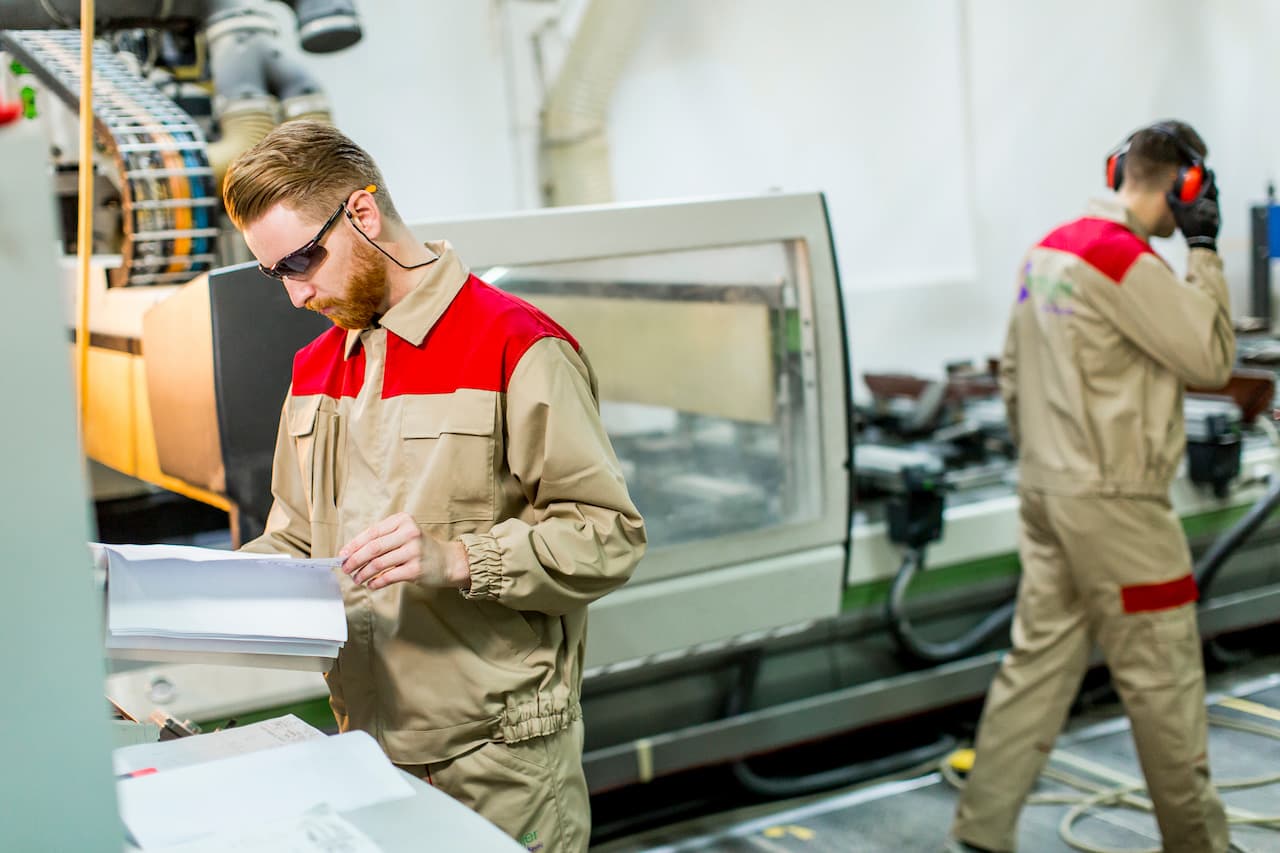
What Manufacturing Jobs Are Actually Available in Brisbane
Brisbane’s manufacturing sector is broader than most people expect. It’s not just one type of work. And if you’ve been searching job boards without much luck, part of the problem might be that you’re not sure which role title actually matches your skillset and what you want to do.
Here’s how the main roles break down.
Production and Operations Roles
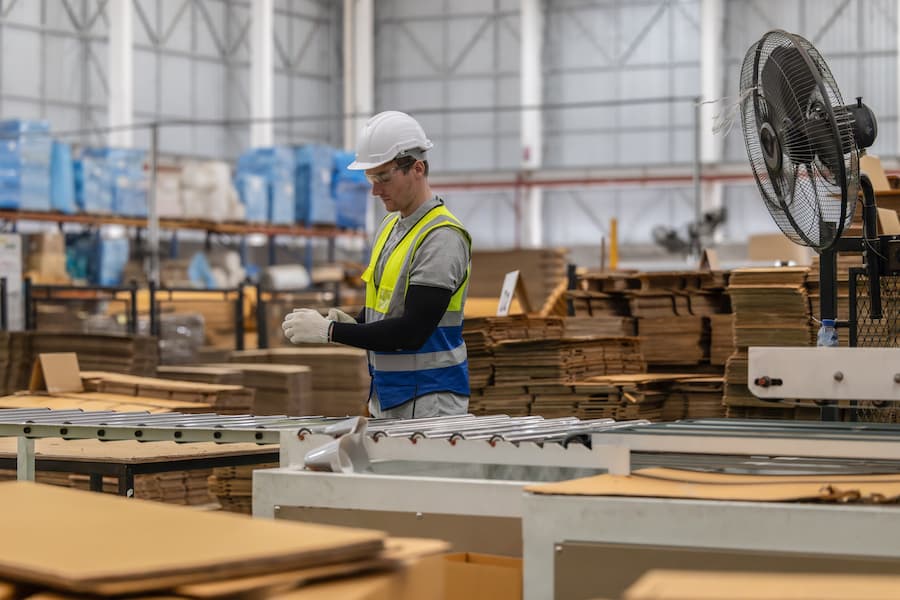
This is where most of the volume is. Production operators, process workers, assemblers and material handlers make up the bulk of manufacturing headcount across Brisbane sites.
The day-to-day work varies. Some roles are line-based and repetitive, others involve more movement and variety. What they share is that employers are looking for people who show up consistently, follow procedure and don’t create problems on a busy floor. Experience helps, but it’s not always the entry barrier people assume it is.
Machine Operator Roles
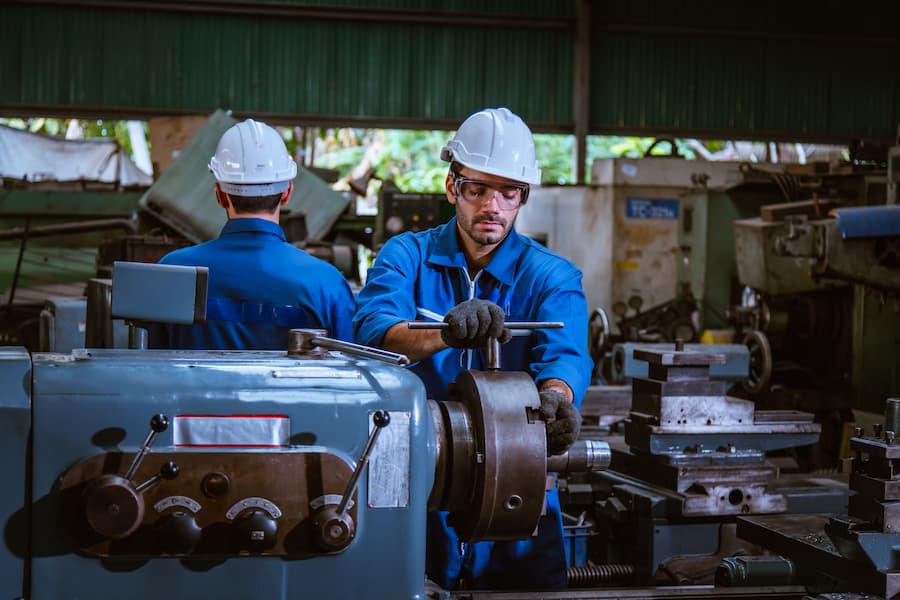
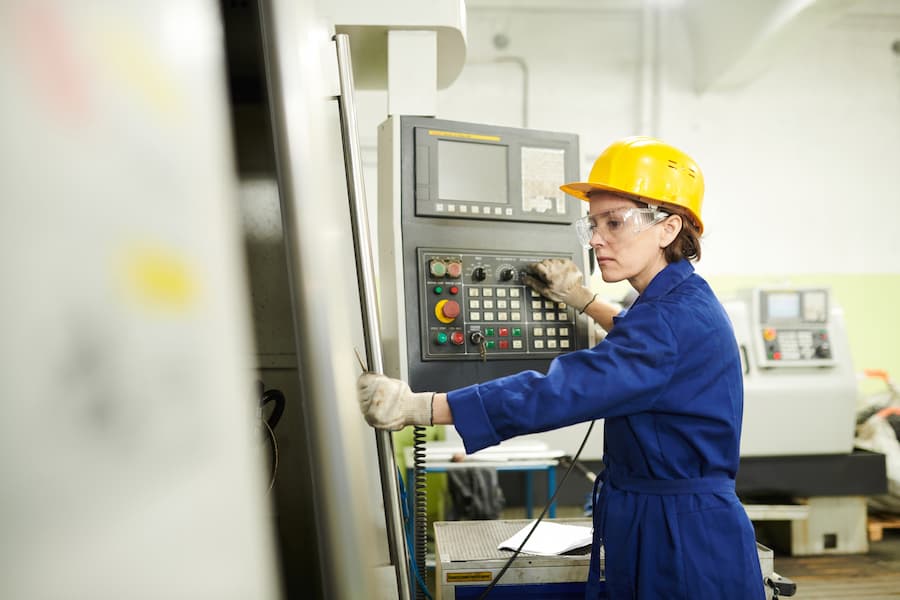
Machine operator is a step up from general production work, and the pay reflects that. You’re responsible for operating, monitoring and sometimes doing basic maintenance on specific equipment — anything from packaging lines and CNC machinery through to injection moulding or filling equipment depending on the site.
Most employers want some prior experience, but plenty of people move into machine operating from process worker roles once they’ve proven themselves on site.
Quality, Planning and Coordination Roles
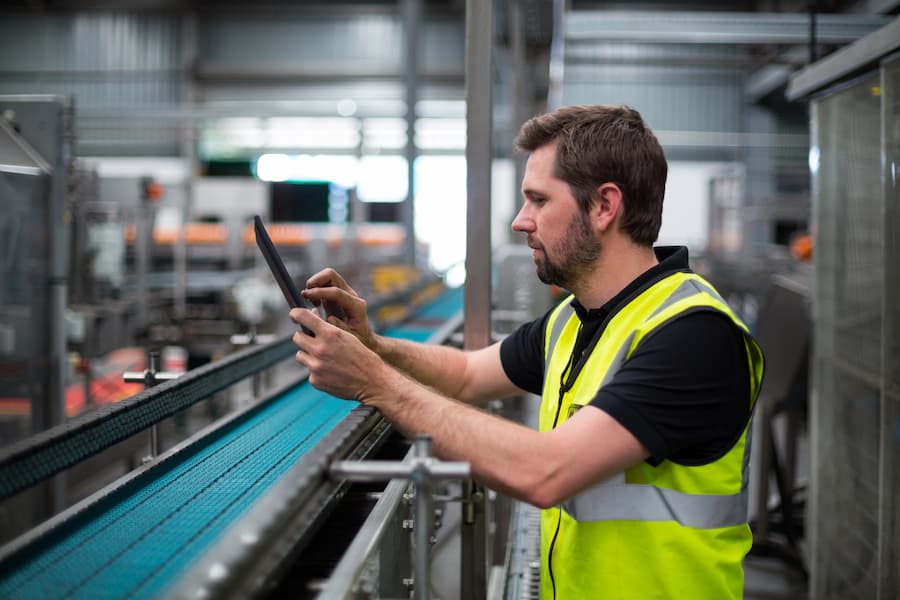
Quality controllers, QA officers, production planners and materials coordinators sit in a different part of the operation but are just as important to how a site runs. These roles tend to suit people who are detail-focused, comfortable with documentation and able to work across teams. Pay is generally higher than floor-based roles, and in most cases employers want some relevant experience or a cert behind you.
Which Brisbane Sub-sectors Are Currently Hiring
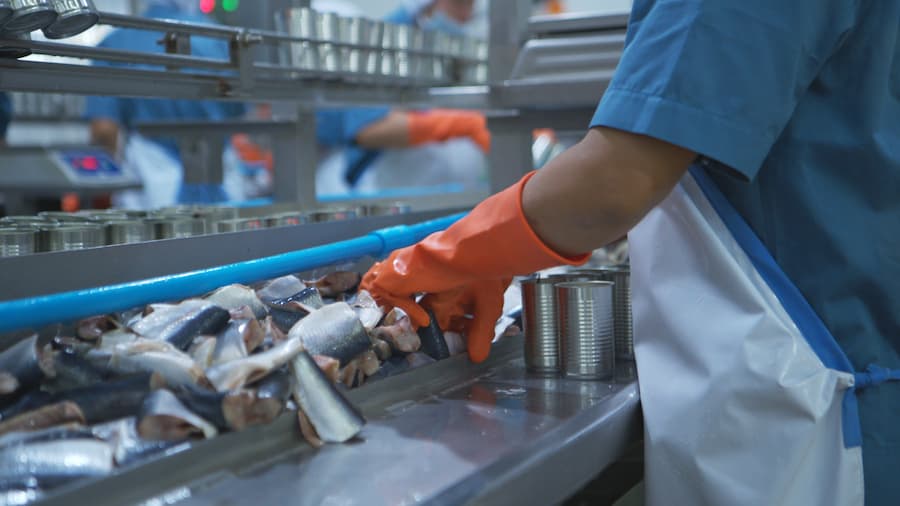
Food and beverage is the most active. There are production facilities spread across Rocklea, Acacia Ridge and parts of the Southside that hire consistently throughout the year. Building products and industrial supply also run steadily, and consumer goods manufacturing picks up during certain periods. If you’re open to different types of manufacturing rather than locked into one, your options open up considerably.
What These Roles Actually Pay
Pay in manufacturing is one of those things that’s genuinely hard to pin down from a job ad alone, because the base rate is only part of the story.
Entry-level and Process Worker Rates
Most entry-level production and process worker roles in Brisbane start somewhere around $28–$32 per hour on a casual basis. Permanent part-time and full-time rates typically sit slightly lower on the base but come with leave entitlements that make the overall package comparable.
The applicable award for most manufacturing roles is the Manufacturing and Associated Industries and Occupations Award (the Manufacturing Award). Minimum rates under this award depend on your classification level, but the casual rates above reflect what most Brisbane employers are actually advertising at the moment.
Machine Operator and Production Operator Rates
Step into a machine operator role and you’re generally looking at $30–$36 per hour casual, depending on the complexity of the equipment and the site. Production operators with a track record on specific lines can negotiate toward the upper end, particularly on sites running three shifts.
Quality and Planning Roles
QC inspectors and QA officers typically earn $33–$42 per hour depending on experience and the type of manufacturing environment. Production planners and materials coordinators lean closer to salaried arrangements — roughly $65,000–$80,000 per year for mid-level roles in Brisbane.
Shift Penalties and What They Actually Add
This is where manufacturing pay can look quite different from the base rate. Afternoon shift penalties, night shift loadings and weekend rates under the Manufacturing Award can add meaningfully to your weekly take-home. Sometimes, these penalties can increase your ordinary rate by 15–30% depending on your roster.
If you’re being offered a role with rotating shifts, ask specifically what the loaded rate looks like across a typical roster. It matters more than the headline hourly figure.
What Employers Look For When Hiring
Brisbane manufacturing employers are pretty consistent about what they want. It’s not always what you’d expect going in.
What Experience Actually Matters (and What Doesn’t)
Formal qualifications rarely come up for floor-based roles. What employers care about is whether you’ve worked in a similar environment before. This includes a food production line, a packaging facility, a warehouse with production elements. Even if the industry is different, demonstrable experience in a structured, process-driven workplace counts for something.
If you’re coming in with zero manufacturing background, that’s not necessarily a dealbreaker. It just means other things carry more weight.
Safety Awareness and Site Readiness
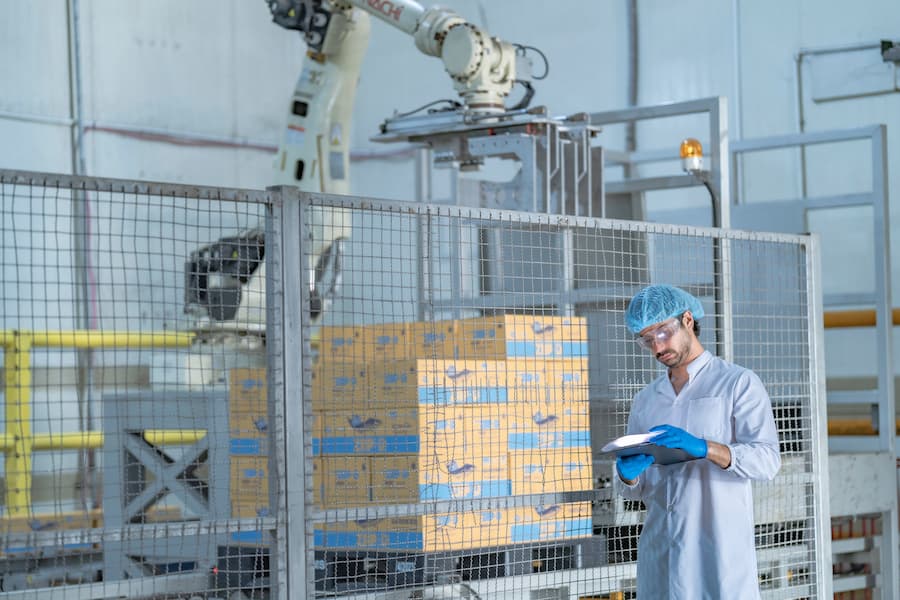
This one comes first for a reason. Manufacturing sites run on procedure. Employers aren’t just screening for skills, they’re screening for whether you’re going to follow the rules, wear the right PPE without being told twice and flag a problem rather than work around it.
In practical terms this means being able to talk through your understanding of workplace safety, knowing what a site induction involves and being honest about your physical capability for the role you’re applying for. Candidates who treat safety as a checkbox tend not to last long on production floors.
Licences and Tickets That Improve Your Chances
You don’t need a stack of certifications to get started, but a few make a real difference.
An LF forklift licence opens up a significant number of roles across Brisbane manufacturing sites. Many operators want flexibility across the floor and the forklift. A white card is sometimes asked for on heavier industrial sites. Food handling certificates are low-effort to get and worth having if you’re targeting food and beverage production.
None of these guarantee a job. They just remove a common reason for being passed over. If you already hold an LF licence, it’s also worth looking at what’s available in supply chain and logistics. There’s crossover between the two sectors that a lot of candidates don’t realise.
Reliability Signals Employers Screen For
Attendance history, references from previous employers and how you present during registration with a recruiter all feed into this. Showing up on time to your recruiter registration, having your documents ready and being straightforward about your availability sends a signal. Employers ask recruiters for their read on candidates, not just their resume.
How to Get Into Manufacturing Without Much Experience
Everyone starts somewhere. Manufacturing is genuinely one of the more accessible industries to break into if you go about it the right way.
Which Roles Are Genuinely Entry Level
Process worker, production line operator and general hand roles are the realistic starting points. These are the roles where employers know they’re training people up, and where attitude and reliability matter more than a work history in the same field. If you want to see what’s on offer across the sector, see the full range of manufacturing jobs in Brisbane we recruit for.
Assembler roles can also be entry level depending on the site. Some require a short skills assessment, but they’re not looking for years of experience.
Labour Hire and Temp as the Most Common Entry Pathway
Most people who build a career in manufacturing don’t walk straight into a permanent role. They start through a labour hire or temporary staffing arrangement, prove themselves over a few weeks and either get kept on or build a reference they can use elsewhere. It’s not a lesser path, it’s genuinely how the industry works. Many Brisbane manufacturers use labour hire as their primary pipeline for permanent headcount.
What a Good First Application Looks Like
Keep it simple and specific. List any relevant experience, even warehousing, cleaning or hospitality work that involved physical tasks, following procedure or working in a team under pressure. Include any licences. Be clear about your availability and whether you’re open to shift work.
Where Manufacturing Jobs Are Located Around Brisbane
If you’re job hunting in manufacturing and you’re casting a wide net on job boards, you’ll notice a lot of roles cluster in the same handful of suburbs. That’s not a coincidence. Brisbane’s manufacturing activity is concentrated in specific industrial corridors, and knowing where they are helps you target your search properly.
Acacia Ridge and Wacol are two of the most active. A significant number of food production, building products and industrial supply businesses operate out of these areas, and both suburbs have consistent hiring across the year. Rocklea and Darra sit nearby and follow a similar pattern.
On the eastern side, Hemmant and Murarrie have a solid mix of logistics and manufacturing operations. These areas are worth including in your search if you’re based on that side of the city or willing to travel east.
Getting to and from these areas on public transport is workable for day shifts in most cases, but it becomes harder on afternoon or night shifts. If you’re applying for a rotating roster role and you don’t have a car, it’s worth checking the finish time before you accept.
About the Author
Youngbrook Team
Insights, advice, and industry updates from the Youngbrook Recruitment team, covering hiring, compliance, and workforce trends across Australia.
Ready to Find Manufacturing Work in Brisbane?
Send us your CV and someone from our team will be in touch. We’ll have a straightforward conversation about what you’re looking for and what’s available. No pressure, no runaround.
Call us directly: 07 3399 6899
Monday to Friday, 7am to 6pm.
Latest Resources

Accounting and Finance Jobs in Brisbane: Find Your Fit
Accounts payable or management accountant? Here's what each accounting and finance role in Brisbane actually pays, and how to get hired into it.
Youngbrook Team

Sales and Marketing Jobs in Brisbane
From Business Development Managers to Graphic Designers, here's what Brisbane employers actually look for in sales and marketing hires, and how to get hired faster.
Youngbrook Team
Warehouse Jobs in Brisbane Beyond the Forklift
Forklift roles aren't the only way into Brisbane's warehouse sector. Here's what storepersons, pick packers, material handlers and inventory controllers actually do, and what each one pays.
Youngbrook Team