Employers ResourcesReading time: 9 minutes
Hiring Warehouse Staff in Brisbane: Which Role You Need
Storeperson, pick packer or inventory controller? They are not interchangeable, and hiring the wrong one costs you weeks. Here is what each warehouse role actually does, and how to work out which one your operation needs.

Written byYoungbrook Team
Published Date
Why the Right Role Matters Before You Hire
Most warehouse hiring problems start before anyone posts a vacancy. They start with a job title that does not match the work.
A business needs someone to “help in the warehouse,” so it advertises for a warehouse worker. What it actually needs is a storeperson who can manage inbound stock, or a pick packer who can hold pace on a busy dispatch line, or an inventory controller who can keep the stock system accurate. These are different roles with different skills. Hiring the wrong one costs weeks.
The mismatch rarely shows up straight away. The new starter turns up, does the work as they understand it, and only later does it become clear the role needed something they were never brought in to do. Then the position turns over, and the hiring process starts again, this time under more pressure than the first round.
Getting the role right at the start is a judgment call. It is one an agency makes daily, because we see the same operations and the same roles across dozens of Brisbane warehouses. Knowing which role a business actually needs, before a dollar is spent on hiring, is where the time and cost savings begin.
The Core Warehouse Roles, and What Each Does
Warehouse work is often treated as one job. In practice it splits into several distinct roles, each with its own skills, pace and licensing requirements. The three most common are storeperson, pick packer and inventory controller. They are related, they sometimes overlap, and they are not interchangeable.
Understanding what separates them is the difference between a hire that holds and a hire that turns over in a month. Youngbrook recruits across all of these roles through our supply chain and logistics hiring, and the distinctions below are the ones that matter most when matching a candidate to an operation.
Storeperson
A storeperson is the generalist of the warehouse. The role covers receiving inbound stock, checking deliveries against orders, put-away, and keeping the physical space organised and safe. In smaller operations, a storeperson often handles dispatch as well.
The good ones are methodical and know how a warehouse flows. They spot a short delivery before it becomes a stock problem, and they keep the floor in a state where everyone else can work quickly. Many storeperson roles ask for a forklift licence, though not all do.
This is the role businesses most often mislabel. “Warehouse worker” usually means storeperson, and advertising it loosely is what pulls in applicants who are not suited to the breadth of the job. If you are hiring a storeperson in Brisbane, the spec matters more than the title.
Pick Packer
Pick packing is a pace role. The work is selecting items against orders, packing them accurately, and getting them out the door within dispatch deadlines. In high-volume operations, output is measured, and consistency under time pressure is the core skill.
Accuracy is what separates a strong pick packer from an average one. A fast picker who makes errors creates returns, re-picks and customer complaints, which costs more than the speed saves. The best candidates hold both, pace and precision, shift after shift.
These roles carry the highest turnover in most warehouses, which makes them the ones businesses re-recruit for most often. Getting pick packer hiring right the first time, and keeping a pipeline ready for the inevitable churn, is where a lot of warehouse HR time quietly disappears.
Inventory Controller
An inventory controller keeps the stock system accurate. The role is part physical and part administrative: cycle counts, stock reconciliation, investigating discrepancies, and managing the data in the warehouse management system. It sits closer to the office than the loading dock.
This is the most skilled of the three roles and the one where a bad hire does the most damage. Inaccurate stock data leads to overselling, stockouts and ordering errors that ripple through the whole operation. The role needs someone comfortable with systems and confident enough to chase down why the numbers do not match.
Because the skill set leans analytical, the candidate pool is narrower and the pay sits above the other two roles. An inventory controller is a very different hire to a storeperson, even though both work in the same building.
Where the Roles Overlap
In a small warehouse, one person may do all three jobs. A storeperson receives stock, picks orders, and keeps a rough eye on inventory levels. This is normal, and for a low-volume operation it works.
The overlap causes problems when a business grows and keeps treating the roles as one. The person hired to receive and organise stock is now expected to hit pick rates and maintain system accuracy, and no single hire is usually strong at all three. This is the point where operations start splitting the roles out, and where getting the next hire specced correctly matters most.
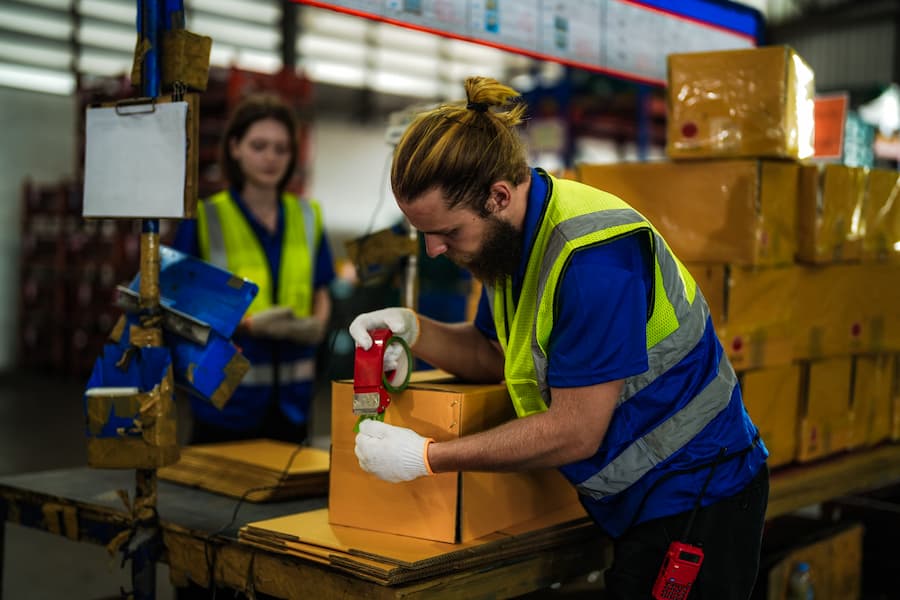
Matching the Role to Your Operation
Knowing the three roles is one thing. Knowing which one your operation actually needs, and how many, is where the decision gets practical. The right answer depends on your volume, your stock complexity, and how the work moves through your site.
The same job title can mean very different work in different warehouses. A storeperson in a small distribution business and a storeperson in a high-throughput third-party logistics site are doing jobs that only loosely resemble each other. Matching the role to the operation, rather than to a generic template, is what stops the mis-hire before it happens.
Small or Single-Site Warehouses
In a smaller operation, the generalist storeperson is usually the right first hire. One capable person who can receive, put away, pick and dispatch gives you flexibility, and the volume rarely justifies splitting the work.
The risk here is under-speccing. A business hires for “some warehouse help” and ends up with someone who can lift boxes but cannot keep the stock straight or work a forklift when it is needed. In a small team, one weak link is felt immediately, because there is no one else to cover the gap.
High-Volume Pick and Pack
Once dispatch volume climbs, pick packing becomes a role in its own right, and often several roles. At this point pace and accuracy are the priority, and you are hiring for throughput rather than breadth.
High-volume sites also feel warehouse turnover more sharply, because a gap on the pick line shows up in missed dispatch deadlines the same day. This is exactly the kind of operation where roles sit open too long and coverage suffers, a pattern worth understanding in detail before it starts costing you. Our guide on why warehouse roles stay open in Brisbane covers what drives those delays and how to get ahead of them.
Stock-Critical Operations
Some businesses live or die on stock accuracy. If you are managing high-value inventory, tight margins, or a complex SKU range, an inventory controller is not optional, and trying to fold that work into a general storeperson role is a false economy.
The signs you have reached this point are usually already visible: recurring stock discrepancies, overselling, or a warehouse management system that no one fully trusts. When the data stops being reliable, the fix is a dedicated hire who owns it, not more pressure on a generalist who was never brought in to do it.

Shift Coverage and Who Fills It
The role you need is only half the question. The other half is when the work happens, and that shapes who will realistically take the job. The same role on a different shift can be a very different hire.
This matters most in warehouses running beyond standard hours. A role that fills easily on days can sit open for weeks on afternoons or nights, and the reason is rarely the pay alone. It is who is available, and able, to work those hours at all.
Day Shift Roles
Day shift roles, starting somewhere between 6am and 8am, draw the widest candidate pool. Most people can work them, most transport runs to suit them, and workers with school-age children or study commitments can fit them around the rest of their lives.
If your operation runs on day shift only, your main task is getting the role specced right, because availability is not usually the constraint. The candidates are there. The job is matching the right one to the work.
Afternoon and Night Coverage
Afternoon and night shifts are a different market. The pool shrinks, because workers with family or transport constraints screen themselves out before they apply. A role that pulled twenty applicants on days might pull five on afternoons, and fewer still overnight.
Working holiday makers are one of the most practical sources of afternoon and night coverage, because they tend to sit outside the constraints that rule out local candidates for those hours. They are often after full-time hours and flexible on shift, which is exactly what late coverage needs. Youngbrook places working holiday makers under a labour hire arrangement for working holiday makers, with work rights, payroll and compliance handled, so the shift is covered without the administrative load landing on you.
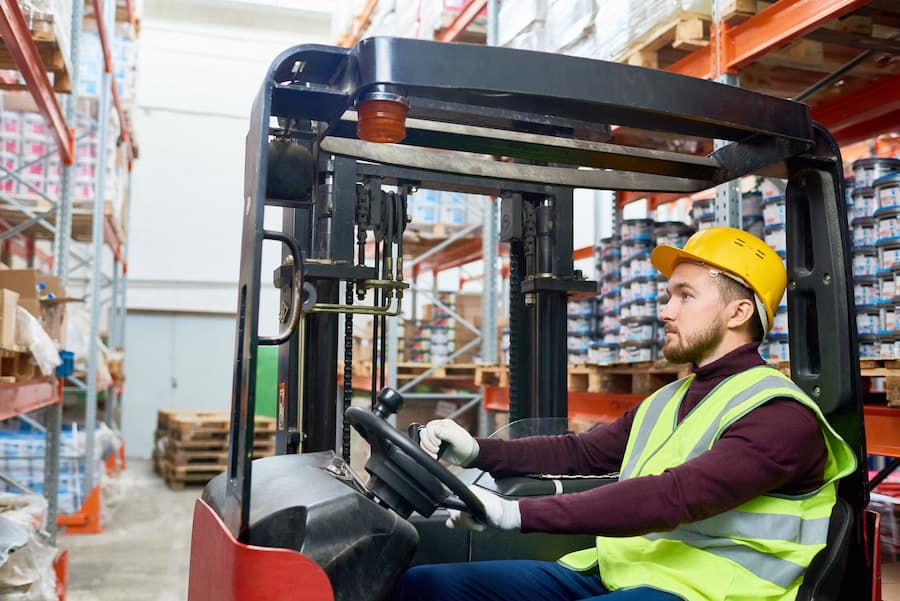
How Youngbrook Gets the Role Right
Everything above is the judgment an employer has to make before a single candidate is sourced. Which role, at what volume, on which shift, with which licences. Get it right and the hire holds. Get it wrong and you are re-recruiting inside a month.
This is the part we take off your hands. You tell us how your operation runs, what the work actually involves, and where the pressure points are. We identify the role that fits, spec it properly, and source from a pool of warehouse candidates we already know, rather than starting from a cold advertisement and hoping the right people apply.
That distinction is the whole point of using an agency for warehouse hiring. The difference between a storeperson and a pick packer, between a day shift role that fills itself and a night shift role that needs active sourcing, is not something you should have to work out under time pressure with a vacancy already costing you. It is what we do across Brisbane warehouses every week.
For businesses that need coverage while a permanent hire is worked through, or that face constant churn in high-turnover roles, our labour hire service keeps the operation staffed without locking in headcount before you are ready. The role gets filled correctly, and the risk of the wrong hire sits with us, not you.

At a Glance
Use this as a quick reference when you are working out which warehouse role your operation needs.
| Role | Core Duties | Licences Often Required | Indicative Employer Rate (per hour) | |
|---|---|---|---|---|
| Storeperson | Receiving, checking, put-away, dispatch, floor organisation | Forklift (LF) often, not always | $32 to $38 | |
| Pick Packer | Order selection, packing, meeting dispatch deadlines | Rarely required | $30 to $36 | |
| Inventory Controller | Cycle counts, stock reconciliation, WMS data accuracy | Forklift sometimes, systems skills essential | $38 to $46 |
About the Author
Youngbrook Team
Insights, advice, and industry updates from the Youngbrook Recruitment team, covering hiring, compliance, and workforce trends across Australia.
Hire the Right Warehouse Staff in Brisbane
Getting the role right is where good warehouse hiring starts. Tell us how your operation runs and we will match you with the right people, on the right shift, without the guesswork.
Call us directly: 07 3399 6899
Office hours: Monday to Friday, 7am to 6pm
Latest Resources
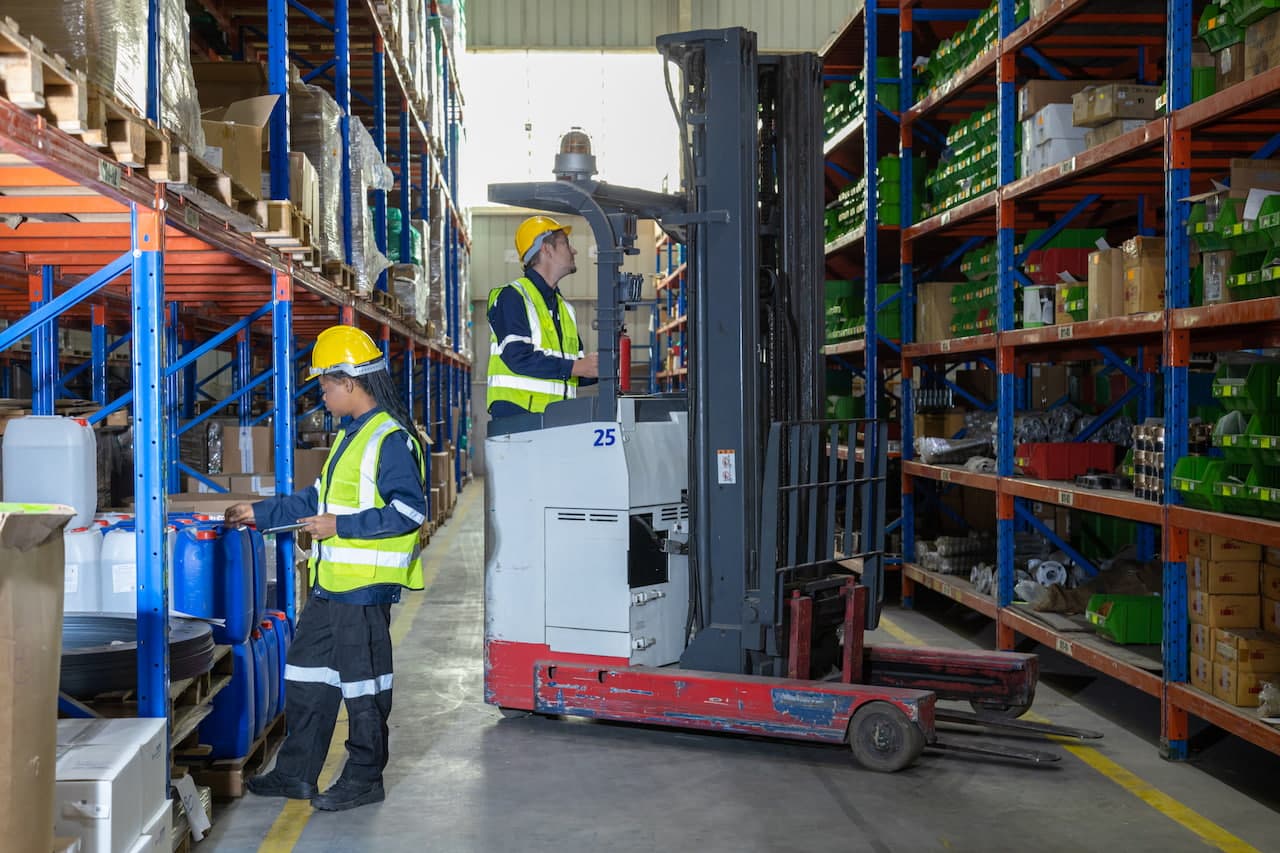
Forklift Licence Classes: LF vs LO for Employers
Queensland has two forklift licence classes and they do not cover each other. What LF and LO each authorise, and what to put on your next job order.
Youngbrook Team
How to Classify Machine, Production and Process Workers
The Manufacturing Award classifies on training and supervision, not job titles. Machine operation alone spans three wage groups, and the gap costs money in both directions.
Youngbrook Team

Payday Super: What Labour Hire Users Need
From 1 July 2026, super must be paid every payday, not quarterly. Here's what Brisbane employers using labour hire need to check on liability, cash flow and provider readiness before the deadline.
Youngbrook Team