Career ResourcesReading time: 12 minutes
Trades Jobs in Brisbane: Pay Rates and How to Get Hired
Brisbane’s trades market isn't short on work. It’s short on people. With half of Australia’s skill shortages sitting in the trades, find out what Brisbane tradies are actually earning in 2026, the licensing traps employers must avoid, and how to land the best roles before they hit job boards.
Written byYoungbrook Team
Published Date
What Brisbane's Trades Market Looks Like in 2026
Brisbane’s trades market isn’t short on work. It’s short on people to do it.
Nationally, trades occupations now account for roughly half of Australia’s persistent skill shortages.Trades are the single biggest contributor to Australia’s skill shortages, accounting for roughly 51 per cent of persistent shortfalls. The numbers get worse the closer you look. The fill rate for technical trades has dropped to just 54.3 per cent, which means roughly half of trade vacancies are going unfilled without a real fight. Brisbane isn’t exempt from that pattern, and in some pockets, it’s sharper than the national average.
Where The Demand Is
A lot of Brisbane’s trades work still concentrates in the same industrial belt it always has. Acacia Ridge, Wacol and Eagle Farm remain the heart of it, with plenty more spread through Brisbane’s south west corridor.
What’s changed is what’s pulling people away from that work. Brisbane’s run-up to the 2032 Olympics, alongside the broader Queensland infrastructure pipeline, is drawing tradies toward large public projects and away from smaller commercial and residential jobs. A boom in data centre construction is also wooing tradies away from residential building, particularly electricians, air conditioning technicians and telecommunications installers.
If you’re hiring for a standard commercial fit-out or a residential job, you’re competing with that pull, not just with other employers doing similar work.
Which Trades Are Genuinely Short-staffed Right Now
Not every trade is equally tight, and it’s worth being straight about which ones actually are.
Electricians are under the most pressure. An estimated 32,000 to 42,000 additional electricians are needed nationally by 2030, and that shortfall is already showing up in how long roles sit open. Plumbers and carpenters aren’t far behind, driven largely by the national housing target. Industry groups estimate Australia needs around 116,700 additional construction workers to meet the government’s target of building 1.2 million new homes over five years.
Welding and fabrication trades are tight too, though the differences between those roles matter more than most job ads suggest. If you’re trying to work out whether you need a welder, a boilermaker or a sheet metal worker, that’s covered in detail in our welding and fabrication hiring guide.
Electrical
Electrical is the trade under the most pressure right now, and it shows in how hard Brisbane employers have to work to fill a single vacancy.
It isn’t only about new building approvals. Solar, battery storage and data centre construction across South East Queensland are pulling licensed electricians into specialised, better-paid work. Whoever you’re trying to hire, that’s who you’re up against.
Pay Rates by Experience Level
Electricians and electrical apprentices in Brisbane are covered by the Electrical, Electronic and Communications Contracting Award (MA000025). Apprentice pay is graduated rather than flat. Apprentices receive graduated pay rates of roughly 40 to 90 per cent of the qualified rate as they move through their four-year apprenticeship, stepping up each year.
Once qualified, the award sets a clear floor. A qualified electrician’s minimum hourly rate is around $29.47 under the award, rising to about $36.84 for casuals once loading is included. Higher classification levels, including supervisory and leading hand roles, push that base rate higher again.
In practice, very few Brisbane electricians are placed at the award minimum once you factor in real market conditions. Given the national shortfall sitting in the tens of thousands, employers offering only the floor rate are usually the ones losing candidates to better-paying sites. Annual packages for licensed electricians in Brisbane commonly land between $80,000 and $120,000, more again for supervisory roles or specialised work like data centre or renewables installation.
Licensing and Ticket Requirements
“Electrician” isn’t one licence in Queensland. It’s several, and getting this wrong is one of the more common compliance traps for employers who haven’t hired electrical staff before.
Queensland has six classes of electrical work licence: open electrical work licence, electrical linesperson, electrical fitter, electrical jointer, electrical work training permit, and restricted electrical work licence. The open licence, often called the full or unrestricted licence, is what most people mean when they say “qualified electrician.”
To get there, an apprentice typically needs to complete their Certificate III in Electrotechnology Electrician (UEE30820) before applying for an electrical mechanic licence, which is the formal name for the open licence.
Contractor licences are separate again, and only relevant if the person or business is running electrical work as their own operation rather than working under someone else’s. Queensland has two contractor licence types: an unrestricted electrical contractor licence and a restricted electrical contractor licence covering work incidental to a trade.
The practical takeaway for employers: before you place anyone on site, check which licence class they actually hold and that it’s current. A restricted licence holder who’s qualified to do incidental electrical work as part of another trade is not the same as someone licensed to do general electrical installation work, and treating the two as interchangeable is a genuine safety and compliance risk, not just a paperwork issue.
Plumbing and Gasfitting
Plumbing sits in the same demand pressure as electrical, just with one extra wrinkle most employers don’t think about until it bites them: plumbing and gasfitting are licensed by two completely different regulators in Queensland.
Pay Rates and Award Coverage
Plumbers and gasfitters working for a plumbing or fire protection business in Brisbane are generally covered by the Plumbing and Fire Sprinklers Award (MA000036). Apprentice pay is staged rather than flat. First-year apprentices earn roughly 55 per cent of the qualified rate, rising to 65 per cent in year two, 80 per cent in year three and 95 per cent in the fourth year.
Once qualified, the award sets a floor that most Brisbane employers end up paying well above. A qualified plumber at Level 4 earns a minimum of around $29.54 an hour under the award, with casual rates sitting near $36.93 once loading is added. In practice, that floor rarely reflects what a competent plumber actually costs to hire. Newly qualified plumbers typically earn between $72,000 and $83,000 a year, rising to $83,000 to $114,000 with five to ten years of experience, and specialists in hydraulic or gas work can clear $130,000.
That gap between award minimum and market reality is part of why so many experienced plumbers in Brisbane eventually go out on their own rather than stay employed. It’s worth factoring into how you pitch a role, not just what you offer to pay.
Licence Classes That Affect Rate
Here’s the part that catches employers out. Plumbing and gasfitting are not the same licence, issued by the same body, even though most tradespeople doing residential and light commercial work hold both.
The QBCC manages plumbing and drainage licensing in Queensland. An occupational plumber’s licence requires a completed plumbing apprenticeship along with a Certificate III in Plumbing (CPC32420), plus the relevant practical experience. Beyond the base licence, there are narrower options too. Endorsements such as backflow prevention or solar and heat pump installation let a licensed plumber take on specific extra scopes of work without holding a completely separate licence.
Gasfitting runs on a separate track entirely. Gasfitting work in Queensland requires its own occupational licence, issued by the Chief Gas Examiner and Resources Safety and Health Queensland, not the QBCC. A lot of working plumbers carry both, but they don’t come bundled. If a role genuinely needs both plumbing and gas work covered, confirm both licences are current before you place anyone, rather than assuming one implies the other.
Welding, Fabrication and Boilermaking
This trade family gets its own deep dive elsewhere on our site, including how a welder, a boilermaker and a sheet metal worker actually differ and which one suits which job. Here’s the short version on pay, with a link through if you need the full breakdown.
Quick Pay Snapshot
Most welders and boilermakers working in a manufacturing or fabrication setting fall under the Manufacturing and Associated Industries and Occupations Award (MA000010). The award’s entry-level base rate sits around $24.28 an hour, but a qualified tradesperson sits well above that. Welders and boilermakers classified at the C10 tradesperson level typically earn around $28 an hour under the award.
Real-world pay moves a long way past that floor, and in welding the spread follows qualification level more than years served.
A trade-qualified first class welder doing structural and general fabrication work typically earns in the mid $30s to low $40s an hour in Brisbane. This is the backbone tier of most fabrication shops, and it is where the bulk of hiring happens.
The premium tier belongs to coded welders, those qualified to specific weld procedures for pressure vessels, pipelines and structural work to code. Passing a weld procedure qualification can add $5 to $10 an hour over first class rates, and shutdown or project work pushes it higher again. If a job ad just says “welder” with no rate listed, the code requirement is usually the detail that decides which end of the range you land on.
Boilermakers sit on a different track because the trade combines fabrication, welding and heavy plate work. Qualified boilermakers in Australia typically earn between $100,000 and $120,000 a year, with higher figures common in mining, shutdown maintenance, construction and FIFO roles.
For the full picture on which of these trades you actually need, and the real differences between welding tickets, boilermaking work and sheet metal fabrication, see our dedicated guide: Welder, Boilermaker or Sheet Metal Worker? A Hiring Guide.
Diesel Fitters and Heavy Vehicle Mechanics
Brisbane’s freight and logistics sector runs on this trade, and it’s tightening for much the same reason truck driving is. Heavy vehicle mechanics are getting harder to find, fleets keep ageing, and there simply aren’t enough qualified people to service them.
Unlike electrical or plumbing, this trade carries no state government occupational licence. What actually matters is the trade qualification itself, plus a handful of specific tickets depending on the work involved.
Pay Rates and Ticket Requirements
Most workshop-based diesel fitters and heavy vehicle mechanics sit under the Vehicle Repair, Services and Retail Award (MA000089). A qualified tradesperson’s award minimum sits around $28.12 an hour, though many employers pay above that to attract and retain staff.
Real-world figures sit well clear of the award floor. Diesel mechanics in Australia typically earn between $80,000 and $100,000 a year, and that climbs for heavier work. Heavy diesel mechanics, servicing trucks, buses and heavy plant, average between $100,000 and $120,000, with mining and FIFO roles pushing considerably higher again.
There’s no government licence to check here, but there are still things worth confirming before you place someone. Many heavy vehicle workshops expect mechanics to move stock or vehicles themselves, so a forklift ticket or relevant high-risk work licence often matters in practice even though it’s not part of the trade qualification itself.
It’s also worth remembering that anyone maintaining trucks for a business operating its own fleet sits inside the Heavy Vehicle National Law’s Chain of Responsibility framework, since maintenance standards feed directly into roadworthiness. Confirm a candidate’s experience with proper maintenance records and documentation, not just their trade ticket.
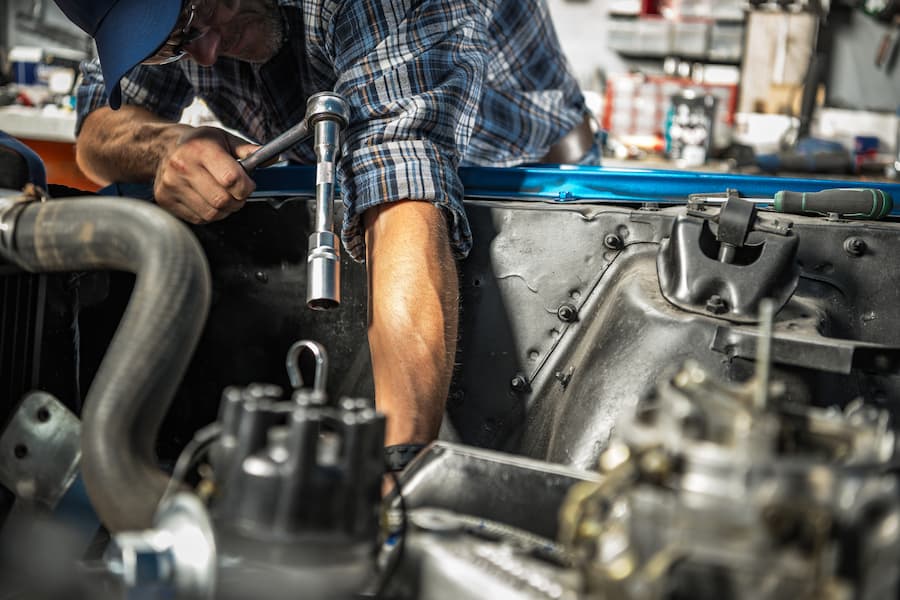
Riggers, Dogmen and High-Risk Work
South East Queensland’s lifting industry is one of the tightest pockets of the entire trades market right now. The lifting industry in South East Queensland is booming, driven by the 2032 Brisbane Olympics, renewable energy builds, hospitals, tunnels and high-rise developments.
This is licensed work, and the licence has levels. Getting the class wrong is one of the easiest ways an employer ends up with someone who can’t actually do the job they were hired for.
Pay Premiums for Licensed High-Risk Work
Pay scales with ticket level, and the gap between entry and top tier is significant. Dogmen and riggers in Queensland average around $85,000 a year or roughly $45 an hour, while riggers holding higher-level tickets average closer to $82,500 in Queensland specifically, or around $105,000 nationally.
The ceiling sits even higher on shutdown and resources-adjacent work, where advanced riggers on short-term placements can command considerably more than standard construction rates. That gap is worth knowing if you’re trying to retain someone rather than just fill a vacancy.
Getting Your Ticket
High-risk work licences for dogging and rigging are issued by Workplace Health and Safety Queensland, a completely separate system to the QBCC or Electrical Safety Office licences covered earlier in this article.
The tickets build on each other rather than standing alone. A current dogman licence is required before starting the basic rigging course, basic rigging must be completed before intermediate, and intermediate before advanced. Each step opens up a wider scope of work, from straightforward dogging through to complex structural lifts. High-risk work licences run for five years before they need renewing through the state regulator.
The practical risk for employers is treating these tickets as interchangeable. A basic rigger is not licensed for the same scope of work as an advanced rigger, and placing someone outside what their ticket actually covers isn’t just a competency gap. It’s a safety and compliance breach.
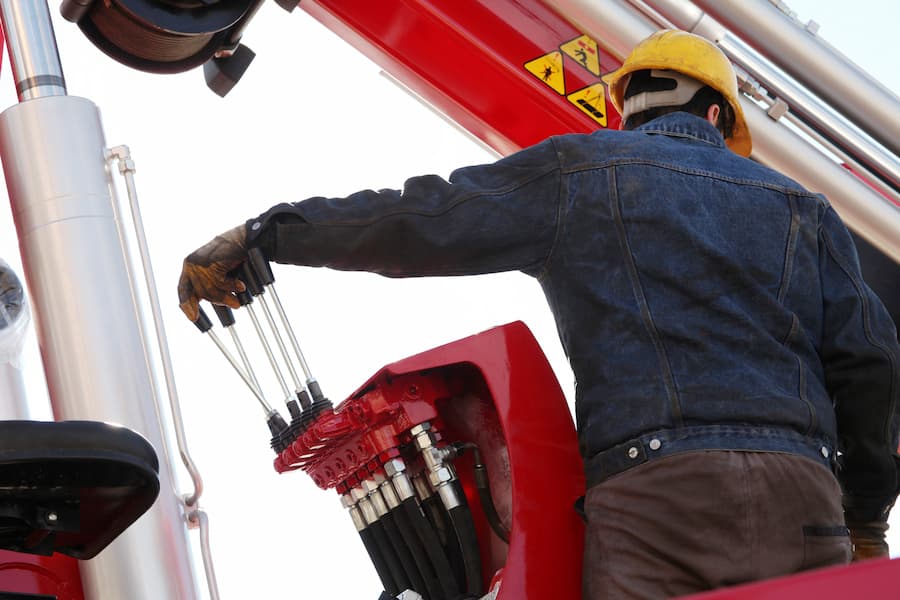
Carpentry and Construction Trades
Carpentry is the most visible trade in Brisbane’s construction boom, and it’s also one of the most accessible ways into the industry. No degree, no large up-front debt, and a clear pay progression from day one.
Pay By Experience and Site Type
Carpenters working on-site in Brisbane are covered by the Building and Construction General On-site Award (MA000020). The Level 1 base rate sits at $25.46 an hour, but a qualified carpenter classified at the CW3 level earns meaningfully more once allowances are factored in. A qualified carpenter is entitled to a $64.10 weekly industry allowance plus a $38.60 weekly tool allowance on top of their base rate.
Real-world figures sit well above the award floor again. A newly qualified carpenter typically earns $30 to $36 an hour, rising to $36 to $48 an hour with five to ten years of experience.
Site type changes the picture more than most job ads let on. Residential framing crews tend to sit closer to standard award-plus-margin rates. Commercial and civil sites covered by an enterprise agreement pay considerably more, and that gap shows up even at apprentice level. Commercial sites operating under an enterprise agreement can push fourth-year apprentices into the high $20s per hour, well above what the same apprentice would earn on a standard residential build.
The top of the range belongs to formwork carpenters on civil and infrastructure projects. Formwork is where the commercial and EBA rates concentrate, and it is consistently the hardest carpentry discipline to fill because experienced formworkers can pick between major projects.
If you’re struggling to compete for carpenters on a commercial project, this is usually the first thing worth checking against your offer.
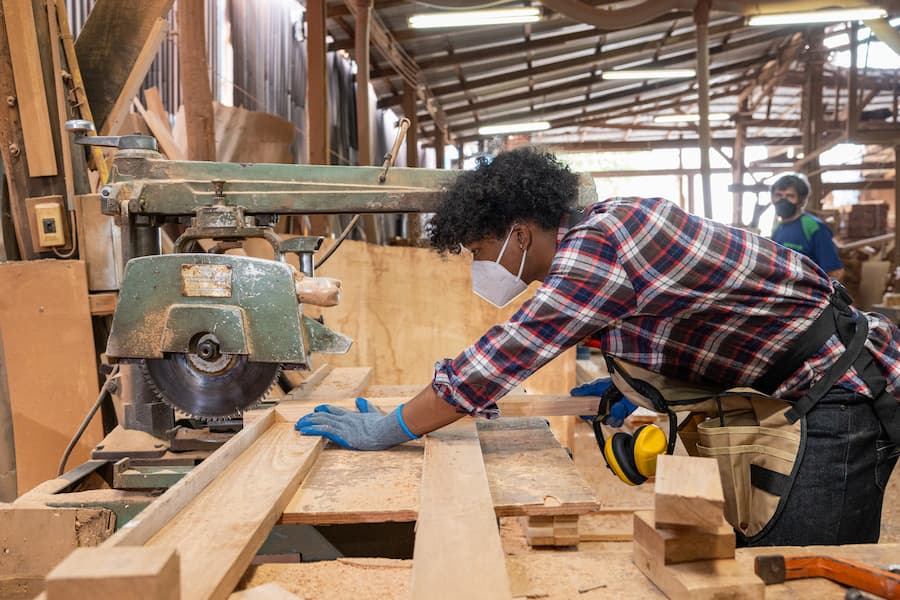
Starting Out: Apprentices and Career Changers
Not everyone reading this is choosing between trades. Some are weighing up a trade against a completely different career, often later than they expected to be starting from scratch. The numbers here matter more than most people assume going in.
What Apprentice Pay Actually Looks Like
Apprentice pay is staged by year, and it jumps again if the apprentice is 21 or older when they start. A first-year adult apprentice typically earns roughly what a third-year junior apprentice earns, which matters a lot if you’re 25 and weighing up whether a trade is still worth it.
The numbers vary by trade but follow the same shape. Adult electrical apprentices typically earn $15 to $18 an hour in their first year, rising to $21 to $24 an hour by year three. Carpentry apprentices start around $14 to $17 an hour in year one, climbing to $20 to $25 an hour by year three.
There’s real government support sitting behind these numbers too. Under the Key Apprenticeship Program, apprentices starting clean-energy or housing construction trades from 1 January 2026 can receive up to $10,000 in incentive payments, while their employer receives up to $5,000. On top of that, the Australian Apprenticeship Support Loan offers an interest-free loan of up to $25,983, with repayments only starting once income passes $67,000 and a 20 per cent discount applied on completion.
Pathways Into a Trade Without Prior Experience
The standard route is the same for everyone: a paid apprenticeship working toward a Certificate III, with no tuition debt and a wage from day one.
What changes for career changers is how much of that path you actually have to walk. There’s no upper age limit on starting an apprenticeship, and many Queensland employers actively prefer mature-age apprentices, who tend to need less supervision and finish at higher completion rates.
If you’ve already got relevant experience, you don’t necessarily start the clock from zero either. Recognition of Prior Learning can reduce the length of an apprenticeship for people with relevant existing experience or qualifications, assessed case by case with your training provider.
Some trades also offer a faster on-ramp before the apprenticeship itself begins. Shorter entry qualifications such as the Certificate II in Electrotechnology (Career Start) are designed to get candidates job-ready and into a full apprenticeship faster.
The practical message for anyone considering a switch later in life: you’re not starting from nothing, and you’re not getting paid like a 16-year-old either.

How to Get Hired Faster in This Market
Everything covered so far in this guide tells you what you’re worth and what you need to hold. This last part is about actually getting in front of the right employer with it.
Why The Best Roles Don’t Hit Job Boards
A lot of the best trades roles in Brisbane never make it to Seek. By the time a vacancy gets advertised publicly, the employer has often already had several conversations with candidates through a recruiter they trust. If you’re only applying to what’s posted, you’re competing for what’s left over once that process has played out.
We’ve covered this in more detail elsewhere, including how to get into those conversations even if you’re not actively job hunting. See The Smarter Way to Find Trades Work in Brisbane for the full picture.
What To Have Ready (Tickets, Licences, Availability)
Whatever trade you’re in, a few things speed up how fast you actually get placed. When you’re ready to put your name forward, see the full range of trades jobs in Brisbane we recruit for across the sector.
Whatever trade you’re in, a few things speed up how fast you actually get placed:
- Your qualification and the licence it maps to. As covered earlier in this guide, electrical, plumbing and gasfitting are licensed by three separate regulators in Queensland, and riggers and dogmen hold a tiered high-risk work licence through a fourth. Know exactly which licence class you hold, not just that you “have a ticket.”
- Current renewal dates. A licence expiring in a few weeks is enough to make most employers hesitate. Renew before you start applying, not after someone asks.
- Realistic availability. A clear start date and any constraints around it (notice period, current commitments) saves back-and-forth that slows everything down.
- Adjacent tickets, even outside your trade. A forklift licence, White Card or EWP ticket won’t replace your trade qualification, but most sites expect at least one of them for general access, and not having it can hold up an otherwise straightforward placement.
Having this sorted before you apply is the difference between a recruiter being able to put you forward immediately and having to come back to you with more questions first.
About the Author
Youngbrook Team
Insights, advice, and industry updates from the Youngbrook Recruitment team, covering hiring, compliance, and workforce trends across Australia.
Ready to Get Started?
If you’re looking for trades work in Brisbane, or just want to know what’s out there, send us your CV and one of our team will be in touch. No hard sell, no pressure. Just a straight conversation about where you are and what might suit you.
Call us directly: 07 3399 6899
Office hours: Monday to Friday, 7am to 6pm
Latest Resources

Accounting and Finance Jobs in Brisbane: Find Your Fit
Accounts payable or management accountant? Here's what each accounting and finance role in Brisbane actually pays, and how to get hired into it.
Youngbrook Team

Sales and Marketing Jobs in Brisbane
From Business Development Managers to Graphic Designers, here's what Brisbane employers actually look for in sales and marketing hires, and how to get hired faster.
Youngbrook Team

Warehouse Jobs in Brisbane Beyond the Forklift
Forklift roles aren't the only way into Brisbane's warehouse sector. Here's what storepersons, pick packers, material handlers and inventory controllers actually do, and what each one pays.
Youngbrook Team