Career ResourcesReading time: 7 minutes
Warehouse Jobs in Brisbane Beyond the Forklift
Forklift roles aren't the only way into Brisbane's warehouse sector. Here's what storepersons, pick packers, material handlers and inventory controllers actually do, and what each one pays.
Written byYoungbrook Team
Published Date
Introduction
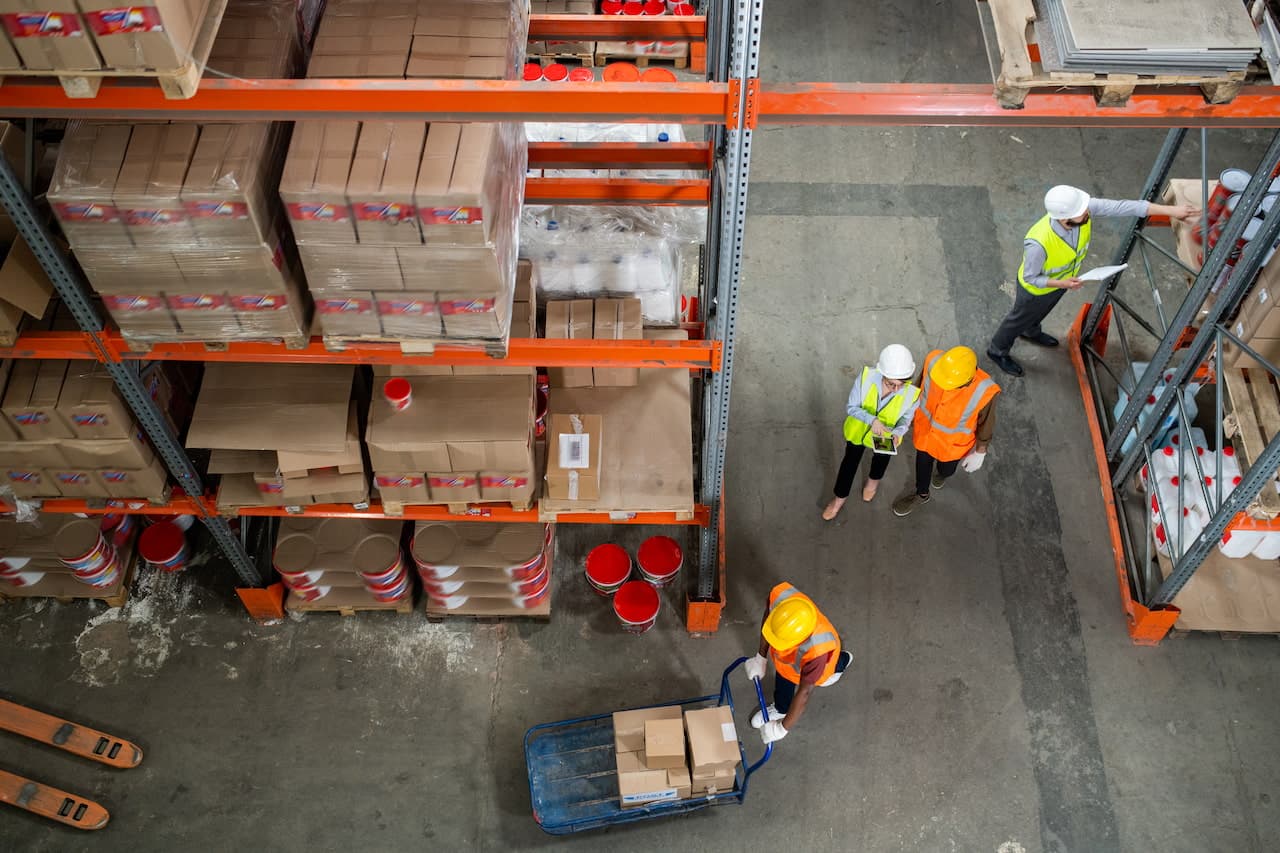
Forklift roles get most of the attention in Brisbane’s warehouse and logistics sector, partly because they’re the easiest to search for and partly because the licence makes the job feel like a clear, defined skill. But forklift work is only one entry point into an industry with several genuinely different roles, each suited to a different kind of person and each with its own pay range and progression path. If a forklift ticket isn’t on your radar or isn’t the right fit, there’s more on offer across supply chain and logistics than that one role.
There's More to Warehouse Work Than a Forklift Ticket
Forklift roles dominate job board search results and casual conversation about warehouse work, which makes it easy to assume that’s the main way in. It isn’t.
Why Most Job Seekers Default to Forklift Roles First
A forklift licence is a clear, visible credential, so it’s an obvious thing to search for or train toward. But plenty of warehouse roles don’t require one at all, and some pay just as well once you factor in the systems knowledge or accuracy they demand instead. Storepersons, pick packers, material handlers and inventory controllers are all genuine entry points, not fallback options for people who haven’t got their ticket yet.
The Five Roles and What Actually Separates Them
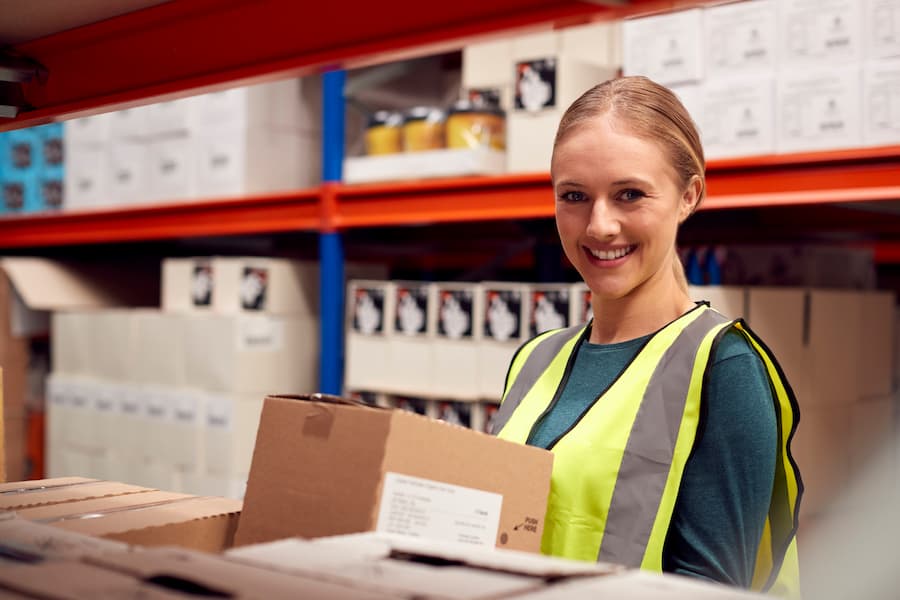
These roles get used loosely in job ads, often interchangeably, but the day-to-day work and the skills employers actually screen for are genuinely different.
Storepersons — Stock Handling and Dispatch
A Storeperson is responsible for receiving stock, organising it within the warehouse and preparing orders for dispatch. The role covers a broad range of general warehouse duties rather than one narrow task, which makes it a common starting point for people who want exposure to the full flow of a warehouse before specialising.
Pick Packers — Order Accuracy and Pace
A Pick Packer focuses specifically on selecting items against an order and packing them correctly for shipping. Speed matters, but accuracy matters more. Getting the wrong item or quantity into a dispatched order costs a business far more than a slightly slower pick, so employers screen heavily for consistency under pressure, not just pace.
Material Handlers — Moving Stock Across the Site
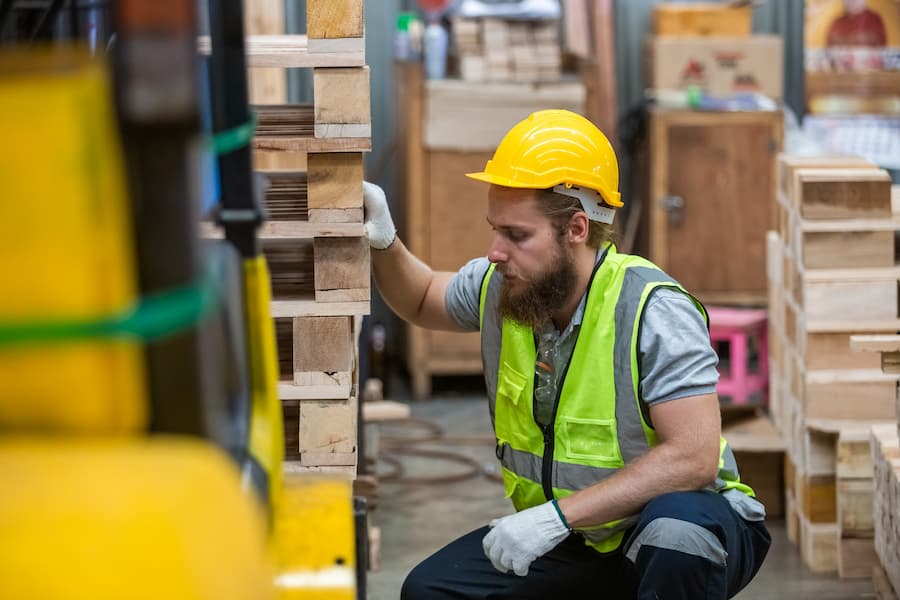
A Material Handler moves stock and materials between different points in a warehouse or production site, often using equipment beyond a standard forklift, including pallet jacks and other handling tools. The role suits people comfortable with physical work and repetitive movement across a site rather than a fixed station.
Inventory Controllers — Accuracy and Systems, Not Just Lifting
An Inventory Controller is less about physical handling and more about keeping stock records accurate. The role typically involves reconciling stock counts, investigating discrepancies and working within a warehouse management system. It’s a genuine pathway for someone who wants a warehouse-based role that leans toward systems and accuracy rather than constant lifting.
Warehouse Operators — the Broadest, Most Flexible Role
A Warehouse Operator is the most general of the five, often covering a mix of picking, packing, stock handling and dispatch depending on what a shift requires. It’s a good fit for someone who wants variety in their day rather than one repeated task, and it’s frequently the role employers use to assess where a new starter’s strengths actually sit.

What Each Role Actually Pays in Brisbane
Pay varies more by shift, site and systems experience than by job title alone, but there are real differences worth knowing before you apply.
Entry-Level vs Experienced Pay Bands
Storeperson roles typically start in the high twenties per hour and move toward the low thirties with experience. Pick packer roles often pay more than people expect, commonly in the mid-thirties to low forties per hour depending on shift and site, particularly where speed and accuracy targets are part of the role. Material handler and warehouse operator pay tends to track close to storeperson rates, since the work overlaps heavily.
Where Systems Experience Lifts Your Rate
Roles that involve a warehouse management system, RF scanning or formal inventory reconciliation, the kind of work an Inventory Controller does day to day, tend to sit above general pick and pack rates. Employers pay more for someone who can be trusted with stock accuracy, not just stock movement, which is worth knowing if you’re choosing which skills to build toward.

Which Role Suits You
The five roles overlap in plenty of ways, but they suit genuinely different working styles, so it’s worth matching the role to how you actually want to spend a shift rather than just applying to whatever’s advertised first. If you’re weighing these against the wider sector, see the full range of logistics jobs in Brisbane across supply chain and distribution.
If You Want a Fast-Paced, Physical Role
Pick packer and material handler roles suit people who’d rather stay moving than sit at a fixed station, and who don’t mind a shift built around hitting a consistent pace. If standing still for long stretches doesn’t appeal, these are the better starting point over a role like inventory control.
If You Want a Role That Leads Toward Supervision or Inventory Management
Storeperson and warehouse operator roles tend to expose you to the full flow of a warehouse, receiving, dispatch, stock movement, which makes them a reasonable stepping stone toward a team leader or supervisor role. If systems and accuracy interest you more than the physical side, inventory controller work is worth aiming for directly rather than working up to it.
If You’re Coming In With No Warehouse Experience at All
Pick packer and warehouse operator roles are the most common entry points for people with no prior warehouse experience, since the core skills (following a pick list, working safely, keeping pace) are taught on the job rather than assumed beforehand. For more on what’s available beyond these two, our guide on warehouse jobs in Brisbane covers the broader role spread, including forklift-based positions if a licence is something you’re considering down the track.

Getting Hired Into These Roles
None of these roles require a trade qualification, but employers are still screening carefully, just for different things than a CV alone shows.
What Employers Actually Screen For
Reliability and attendance record matter more than employers usually say outright. A candidate who turns up on time, every shift, without a string of last-minute cancellations is more valuable to most warehouses than one with slightly more experience but a patchy record. Beyond that, employers look for the ability to follow a process consistently, basic physical capability for the role in question, and a sensible approach to safety, things a reference check or a short trial shift reveals far better than a resume does.
Why Temp-to-Perm Is Common in This Space
A lot of warehouse hiring in Brisbane starts as a temporary placement, partly because demand shifts quickly and partly because it lets an employer see how someone actually performs before committing to a permanent role. If you’re weighing up warehouse work against forklift roles specifically, the same temp-to-perm pattern applies there too, and it’s often a faster way into a permanent role than applying directly for one.
How Youngbrook Places Warehouse Candidates
Most warehouse roles in Brisbane are filled through one of three engagement types, and which one applies usually comes down to how the employer is managing their current workload rather than anything about the role itself.
Labour Hire, Temporary or Permanent, Depending on the Employer’s Need
Labour hire is the most common way warehouse roles are filled in Brisbane, and it’s often the fastest route into a placement as a candidate. Employers use labour hire to scale their workforce up or down in response to demand, cover unplanned absences, or manage seasonal peaks without committing to a direct hire straight away. For you, that usually means a faster start and the chance to prove yourself on-site before anything more permanent is on the table.
Temporary staffing applies to shorter-term cover, such as a busy period, an unplanned absence, or a defined stretch of work with a clear end date in sight. It’s also one of the most common ways candidates move into a permanent role with us. A temporary placement gives an employer the chance to see you in action, and it’s a pattern we see often: someone starts on a temp basis and ends up offered something ongoing once they’ve proven themselves on-site.
Permanent recruitment comes into play once an employer is confident in a role and ready to commit long-term. It’s common for a permanent offer to follow a labour hire or temporary placement, once you’ve shown you’re reliable and a good fit for the site, rather than being the way most candidates start out.
Across all three, the screening standard is the same. We’re not just filling a shift. We’re matching you to a role and a site where you’ll actually want to stay.

Finding the Right Fit, Not Just the Next Shift
A forklift ticket is one way into Brisbane’s warehouse and logistics sector, but it’s far from the only one. Storeperson, pick packer, material handler, inventory controller and warehouse operator roles each offer a genuine path in, with their own pace, skill set and pay range. The better starting point is the role that actually suits how you want to work, not just whichever job ad comes up first.
About the Author
Youngbrook Team
Insights, advice, and industry updates from the Youngbrook Recruitment team, covering hiring, compliance, and workforce trends across Australia.
Ready to Find Work? Talk to Youngbrook
Whether you’re after a fast-paced pick and pack role or something that leans toward systems and accuracy, we place candidates across all five of these roles every week.
Send your CV below or speak to us directly.
Call us directly: 07 3399 6899
Office hours: Monday to Friday, 7am to 6pm
Latest Resources

Accounting and Finance Jobs in Brisbane: Find Your Fit
Accounts payable or management accountant? Here's what each accounting and finance role in Brisbane actually pays, and how to get hired into it.
Youngbrook Team

Sales and Marketing Jobs in Brisbane
From Business Development Managers to Graphic Designers, here's what Brisbane employers actually look for in sales and marketing hires, and how to get hired faster.
Youngbrook Team
Trades Jobs in Brisbane: Pay Rates and How to Get Hired
Brisbane’s trades market isn't short on work. It’s short on people. With half of Australia’s skill shortages sitting in the trades, find out what Brisbane tradies are actually earning in 2026, the licensing traps employers must avoid, and how to land the best roles before they hit job boards.
Youngbrook Team