Employers ResourcesReading time: 12 minutes
Labour Hire vs Temporary Staffing: Key Differences and When to Use Each
Businesses often need flexible workforce solutions to manage changing demand, project work, or staff absences. This guide explains the key differences between labour hire and temporary staffing, how each model works, and when employers should use them.

Written byYoungbrook Team
Published Date
Introduction
Businesses often face an important decision when planning their workforce: should they hire employees directly, engage temporary staff, or use labour hire workers through a recruitment agency?
Each model offers different levels of flexibility, cost structure, and responsibility for managing employment obligations. For many organisations, particularly those operating in industries with fluctuating workloads, choosing the right approach can have a significant impact on productivity, operational efficiency, and workforce stability.
How Labour Hire and Temporary Staffing Are Used in Australia
In Australia, labour hire and temporary staffing are both widely used across sectors such as construction, logistics, manufacturing, healthcare, and administration. Employers rely on these workforce models to manage seasonal demand, fill short-term skill gaps, and maintain operational continuity when permanent staff are unavailable.
While the terms are sometimes used interchangeably, labour hire and temporary staffing involve different employment arrangements and responsibilities for the host business.
This guide explains how each model works, the key differences between them, and when businesses may benefit from using one approach over the other.
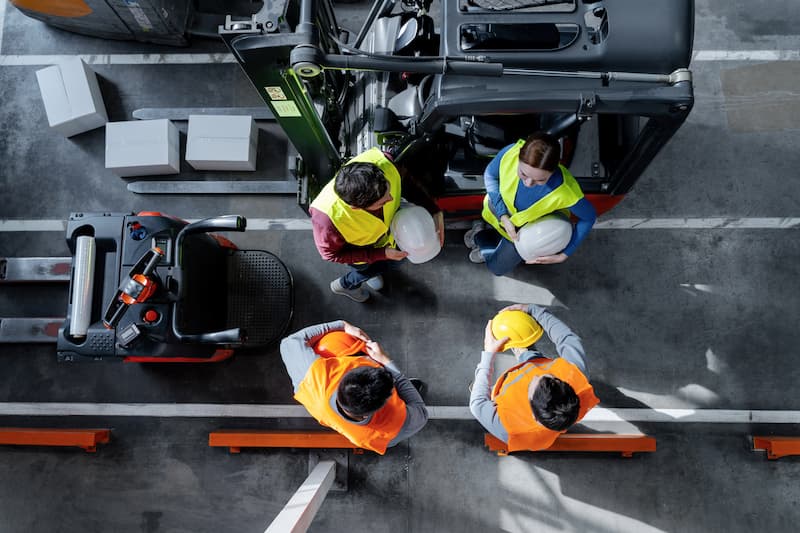
Understanding Labour Hire and Temporary Staffing
Labour hire and temporary staffing are both designed to help organisations access workers for short-term or flexible employment needs. However, the way these workers are employed and managed can differ significantly.
In a labour hire arrangement, the worker is employed by a labour hire agency and assigned to work for a host business. The host employer supervises the worker’s day-to-day duties, while the labour hire agency typically manages payroll, employment contracts, superannuation, and other administrative responsibilities.
This model allows businesses to quickly access skilled workers without directly employing them, making it particularly useful for project work, seasonal demand, or unexpected increases in workload.
Temporary staffing, on the other hand, generally refers to short-term employment arrangements where workers are engaged for a defined period to cover specific needs. These roles may be arranged through a recruitment agency or hired directly by the employer.
Common examples of temporary staffing include:
- covering parental leave or extended sick leave
- supporting project-based work
- managing seasonal peaks in demand
- filling urgent skill gaps within a team
Both labour hire and temporary staffing provide businesses with workforce flexibility. The key difference lies in who acts as the legal employer and who carries responsibility for various employment obligations.
Understanding this distinction helps employers determine which workforce model best aligns with their operational needs, budget considerations, and compliance requirements under Australian employment law.

What Is Labour Hire?
Labour hire is a workforce arrangement where workers are employed by a labour hire agency and assigned to perform work for another business, often referred to as the host employer.
Under this model, the labour hire agency is the legal employer of the worker. The agency manages key employment responsibilities such as payroll, employment contracts, superannuation, and workers’ compensation insurance. The host business, however, directs the worker’s daily tasks and supervises their work on site.
This structure allows businesses to access additional staff without directly employing them, making labour hire a common solution in industries where labour demand can change quickly.
Labour hire arrangements are widely used across sectors such as:
- construction and infrastructure
- manufacturing and production
- warehousing and logistics
- transport and distribution
- mining and resources
- healthcare and community services
In many of these industries, businesses experience periods where additional workers are needed to meet project deadlines, production targets, or seasonal demand. Labour hire enables employers to scale their workforce up or down as operational needs change.
How Labour Hire Works
A typical labour hire arrangement involves three parties:
1. The Labour Hire Agency
The agency recruits and employs the worker. It handles employment administration, including wages, tax withholding, superannuation, and employment compliance.
2. The Worker
The worker is legally employed by the labour hire agency but performs their duties at the host employer’s workplace.
3. The Host Employer
The host business supervises the worker’s daily tasks, integrates them into their team, and ensures they can perform the required work safely and effectively.
Although the labour hire agency is the formal employer, host businesses still have important responsibilities, particularly when it comes to workplace safety. In Australia, both the labour hire provider and the host employer share obligations under workplace health and safety legislation. Guidance from organisations such as the Fair Work Ombudsman and Safe Work Australia emphasises that host employers must provide a safe work environment and appropriate supervision for labour hire workers.
Why Businesses Use Labour Hire
Labour hire offers several advantages for employers who need workforce flexibility or access to specialised skills for a limited period.
Common reasons businesses use labour hire include:
Managing fluctuating workloads
Industries such as logistics, construction, and manufacturing often experience periods of increased demand. Labour hire allows businesses to increase staffing levels during busy periods without permanently expanding their workforce.
Filling urgent staffing gaps
Labour hire agencies maintain pools of pre-screened workers who can often start quickly, helping businesses respond to unexpected labour shortages.
Reducing administrative burden
Because the labour hire agency manages payroll, employment contracts, and compliance administration, businesses can focus on operational priorities.
Accessing specialised skills
For short-term projects or technical work, labour hire allows businesses to bring in workers with specific expertise without committing to long-term employment.
Labour Hire in the Australian Workforce
Labour hire plays a significant role in the Australian labour market. According to data from the Australian Bureau of Statistics (ABS), labour hire workers represent a growing segment of the flexible workforce, particularly in sectors with project-based work or seasonal demand.
For many organisations, labour hire forms part of a broader workforce strategy that combines permanent staff with contingent workers to maintain operational flexibility.
Understanding how labour hire operates provides a foundation for comparing it with other staffing models, including temporary staffing and direct employment.

Labour Hire vs Temporary Staffing: Key Differences
Although labour hire and temporary staffing are often grouped together under the idea of a flexible workforce, the two models operate quite differently from an employment and operational perspective.
The most important distinction is who the legal employer is and who carries responsibility for employment administration. Understanding this difference helps businesses determine which model best suits their operational needs and compliance requirements.
Employer Responsibilities
In a labour hire arrangement, the labour hire provider is the legal employer of the worker. The agency manages the employment relationship, including payroll, superannuation contributions, tax withholding, and workers’ compensation insurance.
The host employer supervises the worker’s daily activities and integrates them into the workplace, but the agency remains responsible for employment administration.
With temporary staffing arrangements, the host business usually becomes the direct employer. This means the organisation is responsible for managing employment contracts, payroll, leave entitlements, and all associated administrative obligations.
Workforce Flexibility
Both labour hire and temporary staffing provide businesses with workforce flexibility, but labour hire generally allows organisations to scale staffing levels more quickly.
Labour hire agencies maintain pools of pre-screened workers who are often ready to start immediately. This allows businesses to respond quickly to changes in workload, project timelines, or operational requirements.
Temporary staffing can still provide flexibility, but the process of hiring and onboarding employees directly may take longer because the business assumes the full employment relationship.
Administrative and Compliance Considerations
For many organisations, administrative workload is a key factor when choosing between staffing models.
Labour hire agencies typically manage many employment-related tasks such as payroll processing, superannuation contributions, and recruitment administration. However, host employers still have responsibilities related to workplace safety and supervision.
In temporary staffing arrangements where workers are employed directly by the business, employers must manage all employment obligations. This includes ensuring compliance with employment standards outlined by the Fair Work Ombudsman and maintaining safe working environments in line with guidance from Safe Work Australia.
Key Differences at a Glance
This comparison highlights the fundamental distinction between the two models: labour hire separates the employment relationship from the day-to-day workplace supervision, while temporary staffing usually places both responsibilities with the employer.

When Labour Hire Is the Best Option for Employers
Labour hire is often used when businesses need to increase their workforce quickly or manage periods of fluctuating demand. In industries where workloads can change rapidly, having access to additional workers without committing to long-term employment can help organisations maintain productivity while controlling operational risk.
For many employers, labour hire provides a practical way to maintain workforce flexibility while ensuring projects, production schedules, and service delivery continue without disruption.
Below are several situations where labour hire is commonly used.
Managing Seasonal or Fluctuating Demand
Many industries experience predictable peaks in activity throughout the year. Retail distribution centres may need additional warehouse workers during the end-of-year shopping period, while construction companies often increase labour capacity during peak project phases.
Rather than permanently expanding their workforce, businesses can use labour hire workers to support operations during these busy periods. Once demand returns to normal levels, staffing levels can be adjusted without the complexities associated with reducing permanent roles.
This approach is common across sectors such as logistics, manufacturing, customer services, healthcare, and events.
Supporting Project-Based Work
Large projects often require additional labour for a defined period. Infrastructure upgrades, construction developments, and manufacturing expansions frequently involve phases where workforce requirements increase significantly.
Labour hire allows businesses to bring in skilled workers for the duration of the project without long-term employment commitments. Once the project is completed, the workforce can be scaled back accordingly.
This flexibility can be particularly valuable for companies managing multiple projects with varying timelines.
Filling Urgent Workforce Gaps
Unexpected absences, staff turnover, or sudden increases in workload can create immediate staffing shortages. Labour hire agencies typically maintain networks of pre-screened workers who can often start at short notice.
This can help employers maintain operational continuity while they assess longer-term hiring needs.
For example, a warehouse experiencing an unexpected spike in orders may require additional forklift operators or pick packers immediately. Labour hire placements can provide short-term support until the workload stabilises.
Urgent gaps like these are often filled with working holiday makers, and businesses that hire working holiday visa workers in Brisbane through a labour hire provider avoid the ATO registration, VEVO checks and 6-month rule tracking that visa staff otherwise require.
Accessing Specialised Skills
Some roles require specific technical skills that are only needed for a limited period. Instead of hiring permanent staff for these roles, businesses can engage skilled workers through labour hire arrangements.
Examples may include:
- experienced machine operators during production increases
- skilled trades during plant shutdowns or maintenance periods
- specialist technicians supporting new equipment installation
- This approach allows businesses to access the expertise they need without committing to ongoing employment costs.
Workforce Flexibility in Growing Businesses
For organisations experiencing growth or expansion, labour hire can also provide a way to test workforce needs before committing to permanent hires.
Businesses may initially engage labour hire workers while evaluating long-term staffing requirements. In some cases, this can lead to temp-to-permanent employment pathways, where workers transition into permanent roles after demonstrating strong performance and cultural fit.
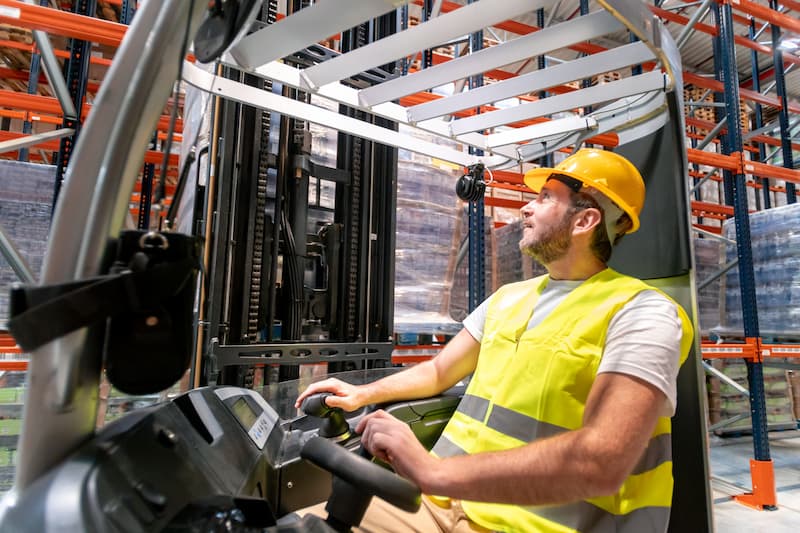
When Temporary Staffing or Direct Employment May Be the Better Option for Employers
While labour hire provides significant flexibility, there are situations where temporary staffing or direct employment may be a more appropriate workforce solution.
Businesses that require long-term capability, strong organisational alignment, or specialised roles integrated into their internal teams often benefit more from hiring staff directly rather than relying on contingent labour.
Understanding when this approach makes sense can help employers balance flexibility with long-term workforce development.
Roles That Require Long-Term Stability
Some positions are central to a company’s long-term operations and strategic objectives. These roles often involve building institutional knowledge, managing internal processes, or contributing to leadership and culture within the organisation.
In these cases, direct employment allows businesses to invest in employee development and create stronger long-term alignment between staff and company goals.
- Examples may include:
- management and leadership roles
- specialised professional positions
- technical roles requiring extensive internal training
- positions responsible for long-term operational planning
Permanent employees in these roles often develop deeper familiarity with company systems, clients, and internal processes, which can improve efficiency and organisational continuity over time.
Building Internal Capability
Direct employment can also support organisations that are focused on building internal capability rather than relying on external labour.
When businesses hire permanent employees, they can invest in training, mentoring, and career progression pathways that strengthen their workforce over the long term. This approach can improve retention, increase employee engagement, and support organisational growth.
For example, a manufacturing company expanding its operations may decide to hire permanent technicians and supervisors who will remain with the business as production capacity grows.
Roles That Require Cultural Integration
Some positions require close collaboration with internal teams or strong alignment with company culture and values. In these situations, direct employment can help ensure workers become fully integrated members of the organisation.
Employees who join the business on a long-term basis often develop stronger relationships with colleagues and may be more invested in the company’s overall success.
This can be particularly important in industries such as sales and marketing, healthcare, or corporate environments where teamwork and organisational culture play a significant role in performance.
Predictable Workforce Demand
If a business expects consistent workload levels over an extended period, hiring employees directly may be more practical than continuously engaging short-term workers.
While labour hire can provide short-term flexibility, long-term reliance on contingent labour can sometimes increase costs and create operational complexity.
For stable roles with ongoing demand, permanent employment can provide a more sustainable workforce structure.
Combining Workforce Models
Many businesses do not rely on a single workforce model. Instead, they combine permanent staff, temporary workers, and labour hire employees depending on operational needs.
For example, a logistics company may maintain a core team of permanent supervisors and warehouse staff while using labour hire workers during seasonal demand spikes.
This combination allows organisations to maintain stability while still retaining the flexibility to scale their workforce when necessary.

Common Misunderstandings About Labour Hire
Labour hire is widely used across Australia, but there are still several misconceptions about how the model works. These misunderstandings can sometimes lead employers to make incorrect assumptions about costs, responsibilities, or legal obligations.
Clarifying these points can help businesses make more informed workforce decisions.
Labour Hire Workers Are Not Independent Contractors
One of the most common misunderstandings is that labour hire workers are the same as independent contractors.
In most labour hire arrangements, workers are employees of the labour hire agency, not contractors and not employees of the host business. The labour hire provider is responsible for managing the employment relationship, including wages, superannuation contributions, payroll tax, and workers’ compensation insurance.
Independent contractors operate differently. Contractors generally run their own businesses and manage their own tax and superannuation obligations.
Understanding this distinction is important because the legal obligations for contractors and labour hire employees are very different under Australian employment law.
Host Employers Still Have Workplace Safety Responsibilities
Another misconception is that the labour hire agency carries all legal responsibility for the worker.
While the labour hire agency is the legal employer, the host business still has important responsibilities, particularly when it comes to workplace health and safety.
Host employers must ensure that labour hire workers are provided with a safe work environment, appropriate supervision, and proper training for the tasks they perform. In Australia, workplace safety obligations are shared between the labour hire provider and the host employer.
Organisations such as Safe Work Australia emphasise that both parties have duties under work health and safety legislation to protect workers from risks in the workplace.
Labour Hire Is Not Always Cheaper Than Permanent Employment
Some businesses assume labour hire is always the lowest-cost staffing option. In reality, the cost structure can vary depending on the role, duration of the placement, and workforce needs.
Labour hire rates typically include not only the worker’s wages but also additional costs such as:
- payroll administration
- superannuation contributions
- workers’ compensation insurance
- recruitment and onboarding
- agency service fees
For short-term roles or fluctuating workloads, labour hire can be highly efficient. However, for long-term positions with consistent demand, hiring employees directly may sometimes be more cost-effective.
Employers should therefore evaluate staffing options based on the nature of the role and the duration of the work rather than assuming one model is universally cheaper.
Labour Hire Can Lead to Permanent Employment
Some employers also assume that labour hire workers are always temporary and cannot transition into permanent roles.
In practice, many businesses use labour hire arrangements as a way to assess workers before offering permanent employment. This approach can allow employers to evaluate a worker’s performance, reliability, and cultural fit within the organisation.
For workers, this can also provide an opportunity to gain experience in a workplace before committing to a long-term role.
This pathway is sometimes referred to as “temp-to-perm”, and it is widely used across industries such as logistics, manufacturing, administration, and construction.
Understanding how labour hire actually works helps employers use the model more effectively as part of a broader workforce strategy.

Why Many Businesses Use a Hybrid Workforce Model
For many organisations, the most effective workforce strategy is not choosing between labour hire and direct employment, but combining both models.
A hybrid workforce model blends a core team of permanent employees with a flexible pool of temporary or labour hire workers. This approach allows businesses to maintain stability in critical roles while still having the ability to scale their workforce when operational demands change.
In industries where workloads fluctuate or projects vary in size and duration, this balance can help organisations manage both productivity and risk more effectively.
Maintaining a Stable Core Workforce
Most businesses rely on a group of permanent employees who provide operational continuity and long-term expertise. These employees often hold roles that require deep knowledge of internal systems, client relationships, or company processes.
Examples of core roles that are commonly filled by permanent employees include:
- supervisors and managers
- technical specialists
- administrative and operational support staff
- roles responsible for long-term planning and coordination
Having a stable internal workforce allows organisations to maintain consistency in leadership, culture, and decision-making.
Scaling the Workforce During Peak Periods
Alongside their permanent workforce, many businesses engage labour hire or temporary workers to support operations during periods of increased demand.
This flexible workforce layer allows employers to increase staffing levels when needed without permanently expanding their headcount.
Common examples include:
- warehouses hiring additional pick packers during busy retail seasons
- construction companies bringing in extra trades during major project phases
- manufacturers increasing production staff during high-demand periods
- healthcare providers engaging additional staff to cover leave or unexpected patient demand
By adjusting staffing levels in response to workload changes, businesses can maintain productivity while avoiding the long-term costs associated with overstaffing.
Reducing Operational Risk
A hybrid workforce model can also help organisations manage uncertainty.
Economic conditions, supply chain disruptions, and sudden changes in demand can all impact workforce requirements. Maintaining a flexible portion of the workforce allows businesses to respond more quickly to these changes.
For example, if a large project is delayed or market demand slows, businesses relying solely on permanent staff may face difficult decisions regarding workforce reductions. A flexible staffing component can help organisations adapt more gradually to changing conditions.
Supporting Workforce Planning
Combining permanent employees with labour hire workers can also support longer-term workforce planning.
Some organisations initially engage labour hire workers to meet immediate labour needs while assessing whether those roles should become permanent positions. If demand remains strong, businesses may later transition some of those workers into permanent roles.
This approach allows organisations to test workforce requirements before committing to long-term employment structures.
The Role of Recruitment Agencies
Recruitment agencies often play an important role in helping businesses manage hybrid workforce strategies. By maintaining networks of available workers and managing employment administration, agencies can help employers respond quickly when staffing needs change.
For businesses operating in industries where labour demand fluctuates regularly, having access to both permanent recruitment and labour hire services can make workforce planning significantly more efficient.

Choosing the Right Workforce Model for Your Business
Deciding between labour hire, temporary staffing, and direct employment ultimately depends on the nature of your business, the type of roles you need to fill, and how predictable your workload is.
Labour hire can provide valuable flexibility for organisations that need to scale their workforce quickly, manage project-based work, or respond to fluctuating demand. Because the labour hire provider manages employment administration, this model can also reduce the internal resources required to recruit and manage short-term staff.
Temporary staffing or direct employment may be more appropriate for roles that require long-term stability, deeper integration into internal teams, or ongoing development within the organisation.
For many employers, the most effective strategy is not choosing one approach exclusively, but combining different workforce models depending on operational needs. A hybrid approach allows businesses to maintain a stable core workforce while still retaining the ability to respond to changing demand.
Understanding how each staffing model works can help organisations make more informed decisions about workforce planning, productivity, and long-term growth.
Businesses operating in sectors such as construction, logistics, manufacturing, healthcare, and administration frequently use labour hire and temporary staffing as part of a broader workforce strategy. When used effectively, these models can help employers maintain operational continuity while adapting to changing business conditions.

About the Author
Youngbrook Team
Insights, advice, and industry updates from the Youngbrook Recruitment team, covering hiring, compliance, and workforce trends across Australia.
Need Flexible Staffing Support?
If your business needs additional staff to manage peak workloads, support projects, or fill urgent workforce gaps, working with an experienced recruitment partner can help simplify the process.
Our team works with employers across Brisbane and South East Queensland to provide reliable labour hire and temporary staffing solutions across a range of industries.
Call us directly: 07 3399 6899
Office hours: Monday to Friday, 7am to 6pm
Latest Resources

Hiring Warehouse Staff in Brisbane: Which Role You Need
Storeperson, pick packer or inventory controller? They are not interchangeable, and hiring the wrong one costs you weeks. Here is what each warehouse role actually does, and how to work out which one your operation needs.
Youngbrook Team
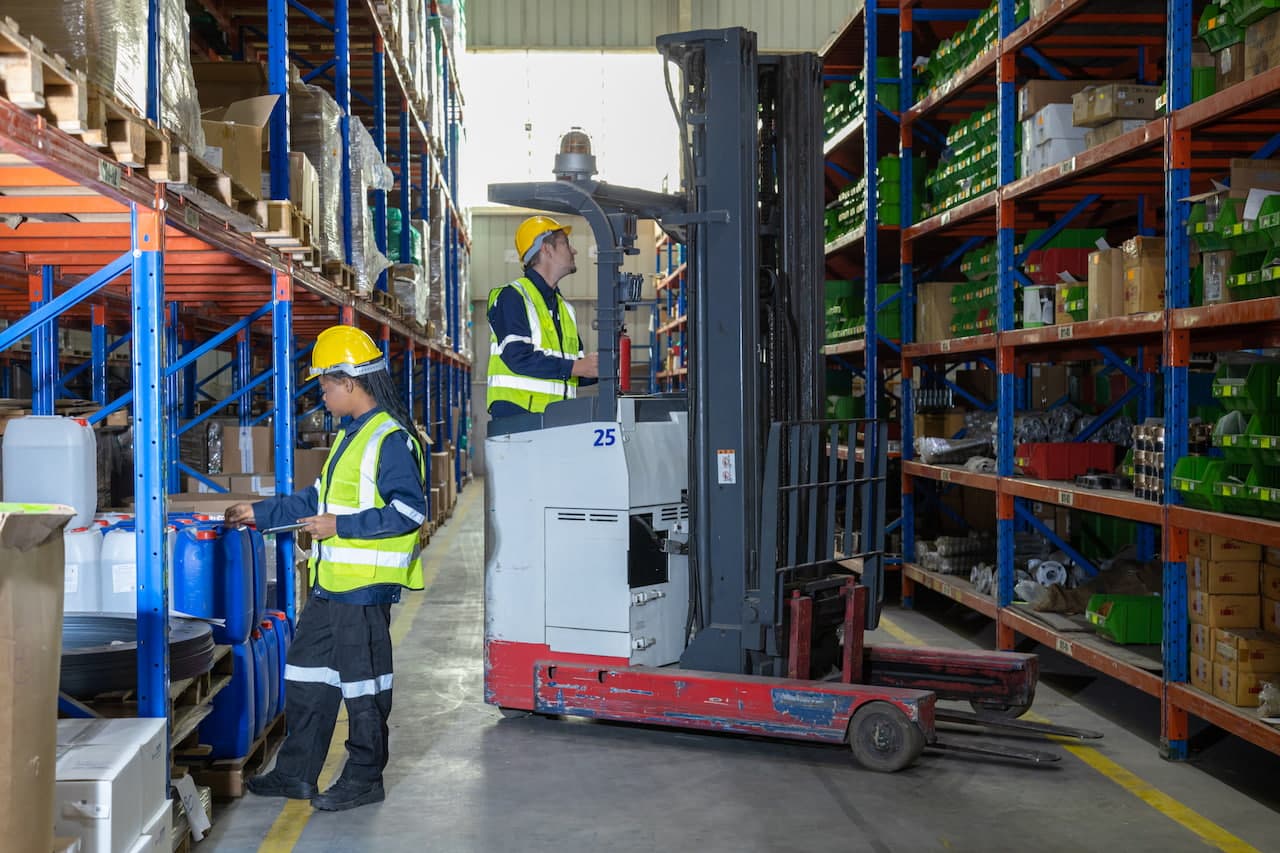
Forklift Licence Classes: LF vs LO for Employers
Queensland has two forklift licence classes and they do not cover each other. What LF and LO each authorise, and what to put on your next job order.
Youngbrook Team
How to Classify Machine, Production and Process Workers
The Manufacturing Award classifies on training and supervision, not job titles. Machine operation alone spans three wage groups, and the gap costs money in both directions.
Youngbrook Team