Employers ResourcesReading time: 10 minutes
Need Staff Urgently in Brisbane?
When hiring becomes urgent, the usual recruitment process often breaks down. This article explains what Brisbane employers can do to secure reliable staff quickly, without delays or unnecessary risk.

Written byYoungbrook Team
Published Date
When a Role Needs to Be Filled Quickly
If you need staff urgently in Brisbane, you have three realistic options: labour hire, temporary staffing, or contract staffing. What separates all three from running your own hiring process is preparation. Screening, licence checks, and availability confirmation happen before your request arrives, so the slowest parts of hiring are already done by the time you need someone.
How fast a specific role can be filled depends on the requirements and on candidate availability at the time, which is exactly what we confirm with you upfront rather than guessing.
If you already know what you need, you can request staff and hire fast in Brisbane, and we will come back to you with available, work-ready candidates.
If you are still weighing up how to handle the gap, this article explains why the usual hiring process is too slow under pressure, which staffing model fits which situation, and what to have ready so your role gets filled faster.

Why the Usual Hiring Process Breaks Down Under Pressure
Most hiring systems are built around sequence. A role is defined, advertised, reviewed, shortlisted, interviewed, and then offered. When there is time, this structure gives you consistency and control. When there is pressure, every step in the sequence becomes a bottleneck, and the delays land in four predictable places.
Job Ads Take Days to Gain Traction
Even well-written job ads do not generate immediate results. Platforms take time to distribute listings, and candidates often browse opportunities outside working hours. That creates an initial delay before any meaningful response begins.
For an employer who needs staff this week, that delay is already the problem. A role that sits unfilled for even a few days starts to affect output, particularly in operational environments where the work is time-sensitive and cannot queue.
Application Quality Is Inconsistent
When applications do arrive, quality is rarely uniform. Some candidates meet part of the criteria but not all of it. Others are available immediately but lack the required experience or certifications.
This forces a trade-off. You can wait for stronger applicants, which extends the timeline, or move forward with a weaker fit, which introduces risk. Under pressure, deciding who is “good enough” becomes harder, not easier, and neither choice resolves the original urgency.
The Best Candidates Are Already Taken
Strong candidates are usually not applying to ads at all. They are employed, working on assignments, or considering several offers at once. By the time you have reviewed applications and started outreach, the people you wanted have started somewhere else.
In Brisbane this effect is sharpest in logistics, trades, and administrative support, where demand shifts quickly and available workers get absorbed fast. We cover the underlying market dynamics in more detail in why Brisbane employers struggle to find reliable staff.
Internal Delays Compound
Urgent hiring also stresses your own team. Managers are reviewing applications, coordinating interviews, and making decisions while still running their day jobs. A day between reviewing applications, another before interviews, another before the offer, and a week has passed without progress.
The outcome is not just a slower process. It is a holding pattern: workload pressure keeps building while everyone waits for the right candidate to appear, and by the time a decision is made, the cost of the delay has already been felt across the business.

What Actually Works When Time Is Limited
Urgent hiring is not the normal process run faster. It is a different process. The focus shifts from generating interest to accessing people who are already assessed, already available, and ready to step in with minimal delay.
Pre-Screened Candidates Remove the Longest Step
The biggest difference in urgent hiring is not effort, it is access. Instead of waiting for applications, effective urgent hiring draws on candidates whose experience, licences, and availability have already been verified. The slowest part of the process has been done before your request arrives.
In practical terms, you are not filtering a large volume of untested applications. You are selecting from a short list of people already aligned to the role. Urgent hiring works when it reduces the number of decisions you have to make, not when it multiplies them.
Active Talent Pools Beat Passive Job Ads
Job advertising targets people who happen to be looking. Urgent hiring depends on people who are ready to start now: candidates between roles, finishing short-term assignments, or open to immediate placement.
Because these people are already engaged in the market, they can move quickly. There is no waiting for interest to build. This is the structural reason an established talent pool fills a role in days while an ad is still gathering applications.

Which Staffing Model Fits Your Situation
The three models below all run on the same foundation of pre-screened candidates. The right one depends on how long the need lasts and how much employment administration you want to carry while you are already under pressure.
Labour Hire
For roles that need to be filled fastest, labour hire provides the most direct path to getting workers on site. The workers are employed by the agency and assigned to your business, so payroll, superannuation, insurance, and most compliance responsibilities sit with the provider.
That matters at exactly the moment your internal capacity is stretched. There are no employment contracts to set up and no onboarding to build from scratch, which removes a full layer of delay between decision and start date.
Temporary Staffing
Temporary staffing works in a similar way but suits shorter or clearly defined periods: a seasonal peak, a project push, or covering unexpected leave. You bring in support for the duration required, and when the pressure subsides, the workforce scales back with it.
The key benefit is flexibility without commitment. The gap gets covered, and you are not carrying headcount you no longer need once conditions return to normal.
Contract Staffing
For roles that require deeper experience or a longer engagement, contract staffing bridges the gap. It secures a skilled professional for a defined period without the lead time of a full permanent process.
This is the model to reach for when a role cannot stay vacant but rushing a permanent hire would be a mistake. The contractor keeps the work moving while you make the long-term decision properly, on your own timeline instead of under duress.

What to Have Ready Before You Contact an Agency
Even in urgent situations, a lack of clarity is what slows placements down. The fastest placements happen when the employer can answer these questions on the first call:
- The core tasks the worker will perform
- Required licences, tickets, or certifications, such as an LF or LO forklift licence, White Card, or driver licence class
- Expected hours, shift pattern, and duration
- Start location and site conditions
- Start date, even if the answer is “tomorrow”
When these details are defined early, candidates can be matched accurately the first time. Every round of back-and-forth you avoid is time taken off your start date.

How Fast Can You Realistically Hire in Brisbane Right Now?
Speed also depends on where you are and what you need. Urgent hiring does not happen in isolation: the local market decides how deep the pool of immediately available workers is on the week you need them.
Where Pressure Builds First
Operational roles feel urgency earliest because they sit closest to output. When someone is absent or demand spikes, there is no buffer, and the gap is visible the same day.
In Brisbane that pressure concentrates in a few sectors. Supply chain and logistics operations around Eagle Farm, the Port of Brisbane precinct, and the southside corridors move with freight volumes, and freight does not wait. When a container lands or a distribution centre hits peak, the roster gap that was manageable on Monday becomes a missed dispatch by Wednesday, and every downstream customer feels it.
Manufacturing sites in areas like Wacol and Acacia Ridge run to production schedules that do not pause for a vacancy. A missing machine operator or process worker does not just slow one station. It disrupts the line around it, forces reshuffles that pull experienced staff off their own work, and puts delivery commitments at risk while the role sits open.
Trades and engineering demand spikes around project deadlines and shutdown windows, which is the worst possible timing to be searching from scratch. Shutdowns are planned months ahead but staffed in a narrow window, and when several sites schedule maintenance in the same period, qualified boilermakers, fitters, and electricians are committed weeks before the work starts.
Demand Cycles and Timing
Brisbane’s hiring patterns run in cycles rather than steady demand. End-of-month deadlines, incoming shipments, seasonal peaks, and shutdown programs all create spikes, and when several businesses hit one at the same time, the pool of available workers tightens fast.
Candidate availability is also uneven across the city. Established industrial zones hold stronger pools of active workers, while other areas rely on commuters, which affects start times and reliability for early shifts and short-notice roles. Knowing where available candidates actually live, and how far they will travel, often matters more to your start date than anything written in a job ad.
Exact timing always depends on the role and the market that week, but the difference in approach is consistent. Instead of waiting for applications to build, the process moves continuously from requirement to shortlist to placement, and that momentum is what urgent hiring is really buying. For a closer look at how agencies keep these industrial sectors staffed, see our guide to manufacturing and trades recruitment in Brisbane.

What Happens After You Request Staff
The process from your side is short. You submit the requirement, we confirm the details with you, match against screened candidates available in your area, and send you a shortlist. You select, we handle the placement administration, and the worker starts. For labour hire and temporary placements, payroll and compliance sit with us from day one.
Handled this way, urgent hiring does more than fill a gap. It protects output while the pressure is on, keeps your existing team from absorbing unsustainable workloads, and buys you the time to make longer-term hiring decisions properly instead of under duress.
About the Author
Youngbrook Team
Insights, advice, and industry updates from the Youngbrook Recruitment team, covering hiring, compliance, and workforce trends across Australia.
Need Staff Quickly?
Need staff this week? Request staff now. And if you are not sure yet what your staffing demand actually looks like, submit an enquiry and our team will come back to you with an honest assessment of your options, no obligation.
Latest Resources

Hiring Warehouse Staff in Brisbane: Which Role You Need
Storeperson, pick packer or inventory controller? They are not interchangeable, and hiring the wrong one costs you weeks. Here is what each warehouse role actually does, and how to work out which one your operation needs.
Youngbrook Team
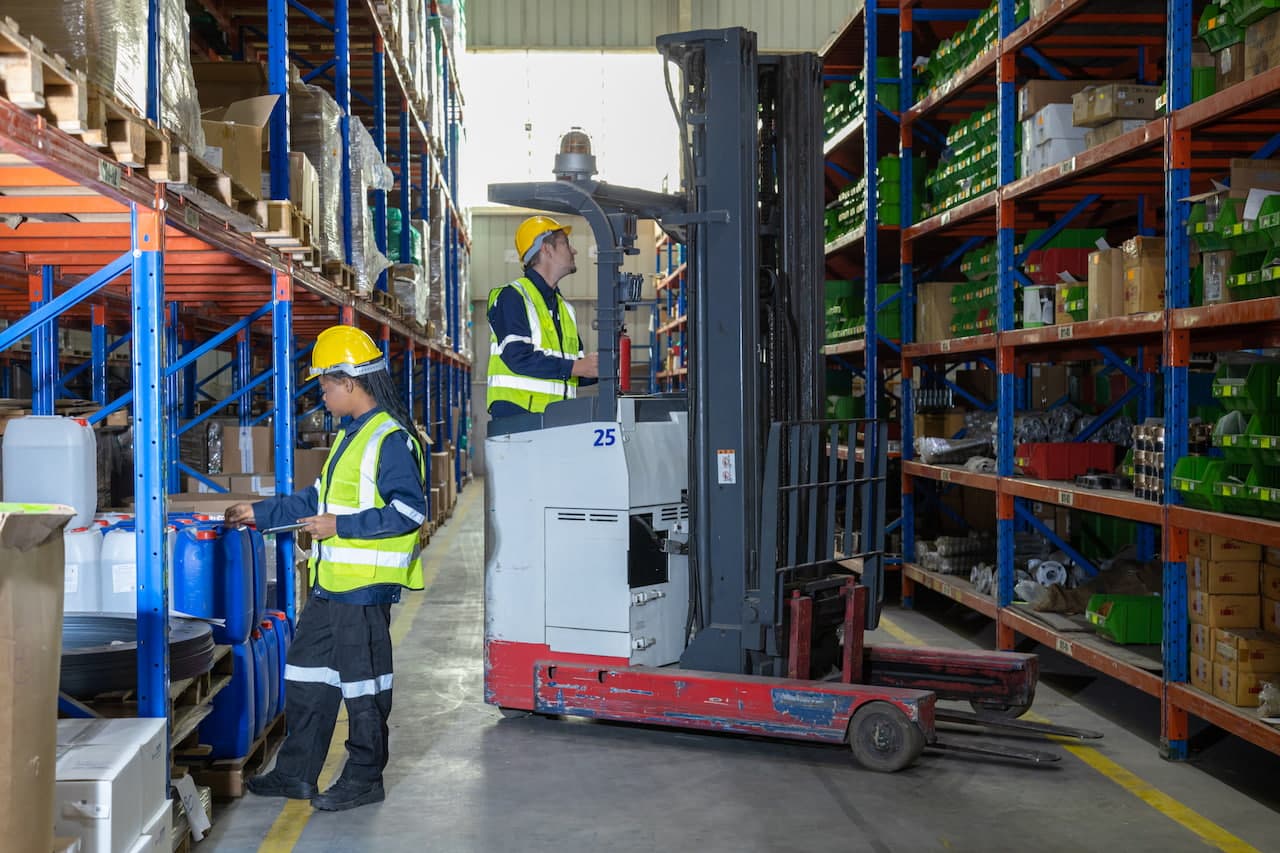
Forklift Licence Classes: LF vs LO for Employers
Queensland has two forklift licence classes and they do not cover each other. What LF and LO each authorise, and what to put on your next job order.
Youngbrook Team

How to Classify Machine, Production and Process Workers
The Manufacturing Award classifies on training and supervision, not job titles. Machine operation alone spans three wage groups, and the gap costs money in both directions.
Youngbrook Team