Employers ResourcesReading time: 5 min read
Hiring Staff in Brisbane: Industrial Areas with the Highest Demand
Hiring staff in Brisbane’s industrial hubs is not consistent across locations. This guide explains where demand is highest, why roles stay open, and how employers can improve hiring outcomes.

Written byYoungbrook Team
Published Date
Introduction
Hiring in Brisbane’s industrial market is not a level playing field.
Two roles with the same title can produce completely different results depending on where they are based. A warehouse position in Carole Park or Wacol may attract a high volume of applicants but still struggle with reliability and retention. The same role near Eagle Farm or the Port of Brisbane may receive fewer applications but require faster decisions to secure candidates before they accept another offer.
For employers, this creates a frustrating pattern. Roles are advertised, interest appears strong on the surface, but suitable candidates remain difficult to secure or fail to convert into long-term employees.
This is not simply a hiring issue. It is a market dynamic shaped by location, competition, and candidate behaviour.
Brisbane’s key industrial hubs each operate under different conditions. Understanding those differences is often the reason one business fills roles quickly while another sees positions remain open for weeks.
This article breaks down how hiring conditions vary across Brisbane’s major industrial areas, where demand is highest, and what employers can do to improve outcomes in a competitive labour market.
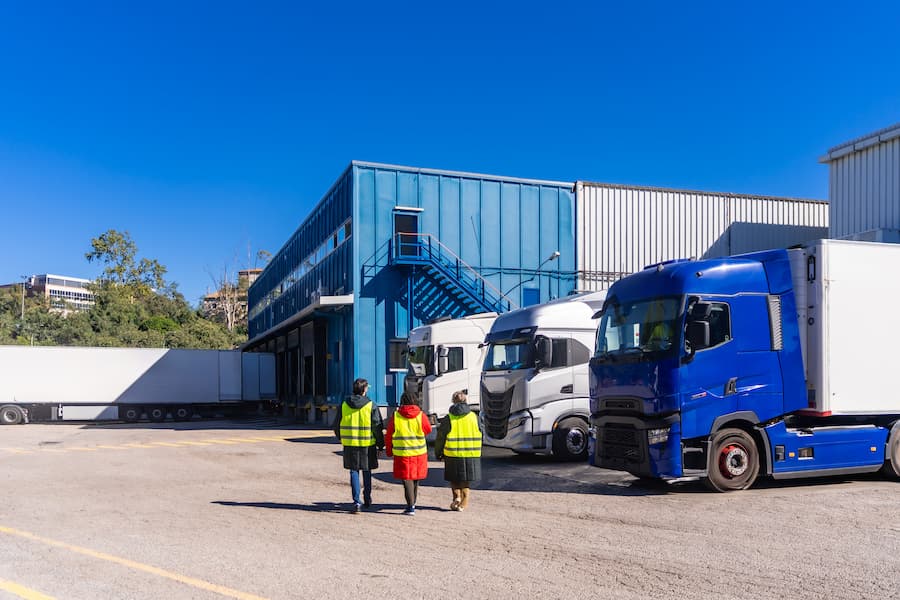
Why Location Has a Direct Impact on Hiring Outcomes in Brisbane
Location plays a bigger role in hiring outcomes than many employers expect.
Across Brisbane, industrial hubs such as Carole Park, Wacol, Eagle Farm, Pinkenba, the Port of Brisbane, Coopers Plains, and Acacia Ridge are all competing for similar types of workers. Warehouse staff, forklift operators, pick packers, drivers, and production workers often move between these areas depending on pay, shift patterns, and ease of access.
This creates overlapping demand, where multiple businesses are trying to attract the same pool of candidates at the same time.
Candidate availability changes by corridor
Candidate supply is not evenly distributed across Brisbane.
Western industrial areas such as Carole Park and Wacol often draw from surrounding suburbs, where access is largely dependent on reliable transport. Early starts, limited public transport options, and longer commute times can reduce the number of candidates willing to take on certain roles, even when job availability is high.
In contrast, areas closer to the airport and inner industrial corridors may attract candidates from a broader catchment, but competition between employers is often more intense and decisions need to be made quickly.
The result is the same in both cases. The number of applicants alone is not a reliable indicator of how easy a role will be to fill.
Industrial hubs compete for the same workers
Most industrial employers in Brisbane are hiring for similar core roles.
Forklift drivers, warehouse staff, pick packers, dispatch workers, and machine operators are in constant demand across multiple locations. When several businesses are recruiting at the same time, candidates have options.
This is where hiring processes start to matter.
If one employer takes several days to respond while another moves within 24 hours, the faster process usually wins. The same applies to clarity around pay, shift times, and job expectations.
Employers are not only competing on the role itself. They are competing on speed, communication, and overall candidate experience.
Hiring challenges are not only about pay
Pay is important, but it is rarely the only reason roles remain unfilled.
Candidates assess roles based on a combination of factors. Travel distance, shift patterns, physical demands, job stability, and workplace environment all influence decision-making. In industrial settings, reliability and consistency are often just as important as attracting applicants in the first place.
This is why two similar roles with comparable pay can produce very different results depending on how they are positioned and where they are located.
For employers, improving hiring outcomes often comes down to understanding how these factors interact within a specific industrial area, not just increasing advertising or adjusting pay in isolation.
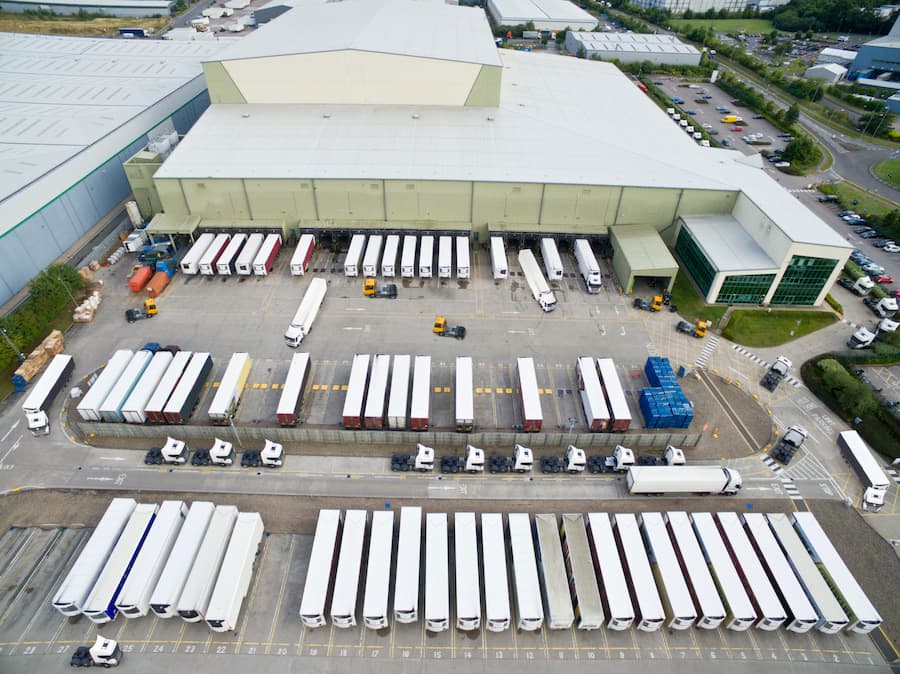
Carole Park and Wacol: High-Volume Hiring and Constant Competition
Carole Park and Wacol sit at the centre of Brisbane’s western industrial corridor, and for many employers, this is where hiring pressure is felt most consistently.
These areas host a high concentration of warehouses, distribution centres, manufacturing facilities, and transport operations. As a result, demand for workers remains steady throughout the year rather than seasonal or project-based.
What employers are typically hiring for
The majority of roles in this corridor fall into core operational categories.
Warehouse staff, forklift operators, pick packers, machine operators, production workers, and dispatch support roles are all in regular demand. Many of these positions require minimal onboarding time, which means employers are often looking for candidates who can start quickly and integrate into existing teams without delay.
This creates a hiring environment where speed and availability matter just as much as experience.
Why roles can be harder to fill than expected
On the surface, these locations appear to offer strong access to labour. In practice, the opposite is often true.
The density of industrial businesses in Carole Park and Wacol means multiple employers are recruiting for similar roles at the same time. Candidates frequently apply for several positions within the same area and move quickly toward whichever opportunity progresses first.
This leads to a common pattern. Applications come in, initial interest looks promising, but suitable candidates drop out during the process or accept another role before a decision is made.
Even small delays can have a direct impact on hiring outcomes.
What employers often underestimate
Many hiring challenges in this corridor are not caused by a lack of applicants, but by how quickly those applicants move.
Candidates in these areas are often active in the market. They are comparing multiple offers, prioritising convenience, and making decisions based on clear and immediate information.
Employers who rely on longer hiring processes, unclear job details, or delayed communication tend to lose strong candidates early.
Transport also plays a role. While these areas are well connected by road, access can still be a barrier for candidates without reliable vehicles, particularly for early or rotating shifts.
Where labour hire can improve hiring outcomes
In high-volume environments like Carole Park and Wacol, maintaining a consistent workforce is often more important than filling a single role.
This is where structured workforce support becomes relevant.
Using labour hire services allows employers to access pre-qualified candidates who are already active and available for similar roles. It also reduces the risk of delays between approval, advertising, and onboarding.
For businesses experiencing repeat hiring cycles or ongoing turnover, this approach can stabilise operations while longer-term recruitment strategies are put in place.
Working holiday makers are a steady source of labour for these high-volume roles, and bringing them on as working holiday visa workers through labour hire keeps the visa checks and payroll compliance off your team

Eagle Farm and Pinkenba: Freight, Logistics and Time-Critical Hiring
Eagle Farm and Pinkenba operate under a different kind of hiring pressure.
While demand for workers is still high, the key difference in this corridor is urgency. These areas sit close to Brisbane Airport and major freight routes, which means many businesses are working against tight operational deadlines rather than steady production schedules.
When roles are left unfilled, the impact is often immediate.
The types of roles commonly in demand
Hiring in this corridor is closely tied to freight movement and logistics operations.
Employers are regularly recruiting for warehouse staff, forklift operators, freight handlers, dispatch workers, and transport support roles. There is also demand for inventory controllers and coordinators who can manage fast-moving stock in high-pressure environments.
Many of these roles are shift-based, with early starts or irregular hours depending on freight schedules.
Why urgency is higher in this corridor
Unlike western industrial areas, where demand is constant, Eagle Farm and Pinkenba are often driven by daily operational timelines.
Freight arrivals, dispatch deadlines, and customer delivery expectations all depend on having the right number of staff available at the right time. When a role is vacant, the workload does not slow down. It shifts onto existing teams, increasing pressure and the risk of errors or delays.
This creates a hiring environment where time-to-fill becomes critical.
Employers are not only trying to find suitable candidates. They are trying to secure them before the role begins to affect service levels or client commitments.
Where hiring processes break down
In time-critical environments, even short delays can lead to missed opportunities.
Candidates who are actively looking for work in this space often apply to multiple roles across the same corridor. If communication is slow or interviews are delayed, they will move forward with another employer who can provide faster confirmation.
Another common issue is unclear job information.
If pay rates, shift times, or expectations are not clearly communicated upfront, candidates are more likely to hesitate or withdraw. In fast-moving logistics environments, that hesitation is often enough for the role to remain unfilled longer than expected.
How temporary staffing supports urgent hiring needs
For employers operating in Eagle Farm and Pinkenba, flexibility is often just as important as quality.
Using temporary staffing allows businesses to respond quickly to short-term demand, cover unexpected absences, and maintain operational continuity without delaying production or dispatch.
It also provides a practical way to assess candidates in a real work environment before committing to longer-term employment, which can reduce the risk of repeat hiring cycles in high-pressure roles.
In areas where timing directly affects business performance, having access to a ready pool of workers can make a measurable difference to day-to-day operations.
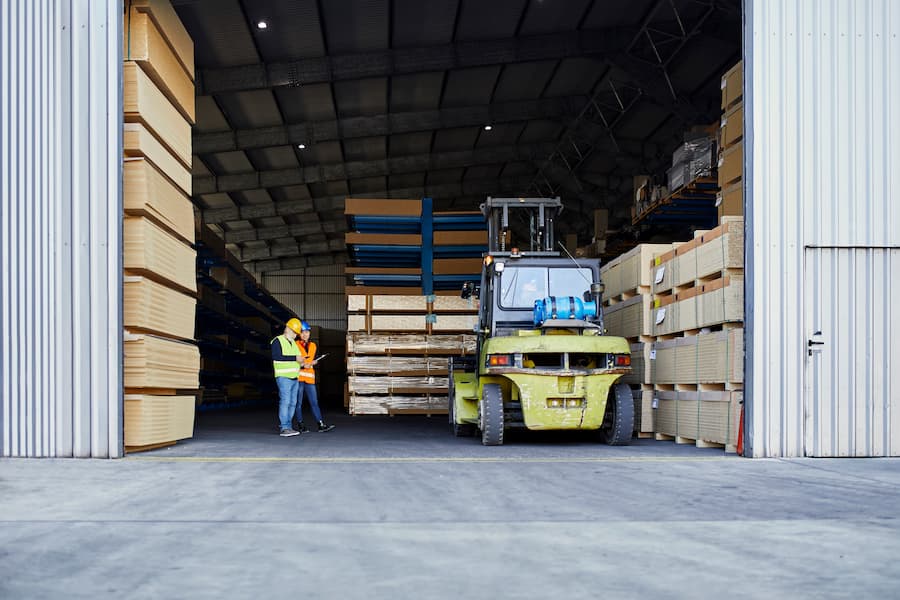
Port of Brisbane: Compliance, Access and Reliability Shape Hiring Outcomes
The Port of Brisbane presents a different hiring environment again.
While demand for labour remains consistent, the challenge here is not just attracting candidates. It is finding people who are both suitable and willing to work within the constraints that come with port-based operations.
For many employers, this is where roles stay open longer than expected despite active recruitment.
Why hiring at the Port is different
The Port is not a typical industrial location.
Access requirements, site-specific rules, and operational conditions create an additional layer of complexity that does not apply to most warehouse or manufacturing environments. Candidates need to be comfortable working within structured processes, following strict safety protocols, and often operating within physically demanding conditions.
This naturally reduces the available talent pool.
Even candidates with the right experience may hesitate if the role involves longer travel times, less flexibility, or more demanding site conditions compared to other nearby opportunities.
The types of roles most affected
Hiring challenges at the Port are usually concentrated in operational roles.
Warehouse support staff, forklift operators, container unloading teams, dispatch workers, and logistics support roles are all in regular demand. Many of these positions require reliability above all else, as delays or absenteeism can disrupt tightly coordinated supply chain activities.
There is also ongoing demand for workers who can adapt quickly to structured environments and maintain consistency over time.
Why employers lose candidates in this area
One of the most common issues at the Port is candidate drop-off.
Applicants may initially express interest, but withdraw once they consider travel distance, site expectations, or alternative roles closer to home. In some cases, candidates accept roles elsewhere simply because the process is faster or the conditions are perceived as easier.
This creates a gap between application volume and actual hiring success.
Employers may receive applications, but fewer candidates progress through to start dates or remain in the role long-term.
Why reliability matters more than volume
In many industrial areas, employers can compensate for turnover with consistent recruitment.
At the Port, this approach is less effective.
Operational environments rely on stability. Teams need workers who show up consistently, understand the requirements of the site, and can maintain performance without constant supervision or replacement.
This shifts the focus away from simply filling roles and toward building a dependable workforce.
For employers facing ongoing challenges in this environment, combining structured recruitment with a longer-term approach to retention often produces better results than increasing advertising alone.

Coopers Plains and Acacia Ridge: Mixed Industrial Demand and Broader Competition
Coopers Plains and Acacia Ridge sit within one of Brisbane’s most diverse industrial corridors.
Unlike areas that are heavily concentrated in warehousing or freight, these locations support a wider mix of businesses. Warehousing, manufacturing, transport, trade supply, and service-based operations all operate within close proximity.
This creates a different type of hiring challenge.
Employers are not only competing within their own industry. They are competing across multiple sectors for the same pool of candidates.
Why hiring conditions are less predictable
The diversity of businesses in this corridor makes hiring outcomes less consistent.
A warehouse role may be competing with a manufacturing position, a trade supplier, or even an administrative role within the same industrial complex. Candidates often compare opportunities based on convenience, working conditions, and perceived stability rather than industry type alone.
This means demand can shift quickly.
At certain times, operational roles may be harder to fill. At others, support roles such as customer service or administration may attract stronger competition due to more favourable working hours or conditions.
For employers, this variability can make workforce planning more difficult.
The challenge with “generic” job ads
In mixed industrial areas, job ads that lack detail tend to underperform.
If a role is presented in broad or generic terms, candidates will often default to comparing pay, location, and hours across multiple opportunities. Without clear information, there is little to differentiate one employer from another.
This is where many hiring processes lose momentum.
Roles attract applications, but fewer candidates progress to interview or acceptance because the value of the opportunity is not clearly communicated.
What helps roles stand out in competitive areas
Employers who achieve better results in this corridor tend to be more specific and more responsive.
Clear pay rates, defined shift times, accurate job descriptions, and a transparent hiring process all improve candidate confidence. Speed also remains important. Candidates who are considering multiple roles will usually move forward with the employer who provides clarity and makes decisions quickly.
There is also an opportunity to position roles beyond immediate tasks.
Where relevant, highlighting stability, long-term opportunities, or progression into permanent positions can improve retention and reduce repeat hiring cycles.
This is particularly relevant for businesses operating across supply chain and logistics and trades and engineering where experienced workers often have multiple options.
In some cases, support roles connected to these environments, such as administration or customer-facing positions, can also form part of the same hiring ecosystem. Employers recruiting in these areas may benefit from considering how operational and support roles interact within their broader workforce.
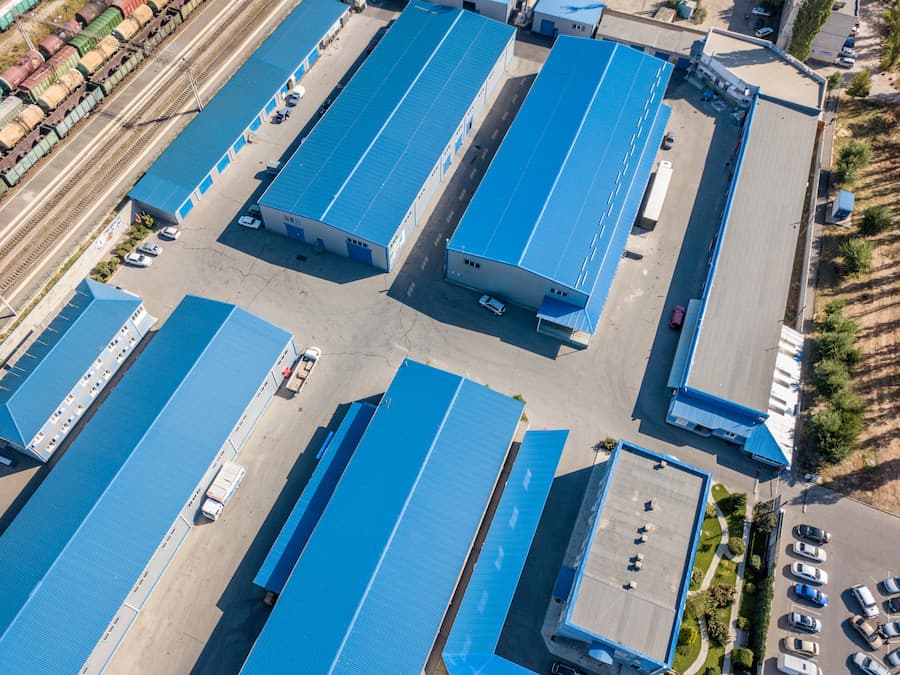
The Common Hiring Problems Employers Face Across Brisbane’s Industrial Hubs
While each industrial area in Brisbane operates under different conditions, the challenges employers face tend to follow consistent patterns.
These are not isolated issues tied to a single location. They are structural problems that appear across multiple hubs, regardless of industry.
Understanding these patterns is often the first step toward improving hiring outcomes.
Too few suitable applicants
Many employers report a lack of applicants, but in most cases, the issue is not volume. It is suitability.
Applications may come through, but a large portion do not meet the requirements of the role. This can relate to experience, reliability, availability, or willingness to work specific shifts.
In practical terms, this means hiring teams spend more time filtering and less time progressing strong candidates.
This slows down the process and increases the likelihood that suitable candidates are lost to faster-moving employers.
Drop-off between application and start date
A common frustration across Brisbane’s industrial market is the gap between initial interest and actual start.
Candidates apply, attend interviews, and in some cases even accept roles, but fail to follow through. This may be due to competing offers, changing circumstances, or unclear expectations about the role.
In high-demand areas, this behaviour becomes more common because candidates have options.
For employers, this creates uncertainty and can lead to repeated hiring cycles for the same position.
Repeat hiring driven by turnover
In many cases, hiring demand is not driven by growth, but by replacement.
Roles are filled, but employees do not stay long enough to create stability within the business. This leads to ongoing recruitment activity, increased onboarding costs, and added pressure on existing teams.
Over time, this pattern becomes difficult to break.
Improving retention often requires changes at the hiring stage, including clearer job expectations, better alignment between role and candidate, and more structured onboarding processes. This is explored further in our guide on employee retention strategies that start with better hiring decisions.
Job ads that attract attention but not the right workers
It is possible for a role to generate interest without attracting the right candidates.
Generic job descriptions, unclear pay information, and vague responsibilities can lead to a high number of applications that do not convert into hires. This creates a false sense of demand.
Employers may believe there is strong interest in the role, but struggle to identify candidates who are both capable and committed.
Clear positioning, realistic expectations, and transparent communication are often more effective than increasing advertising alone.
Slow hiring processes in a fast-moving market
Speed remains one of the most overlooked factors in hiring success.
Across Brisbane’s industrial hubs, candidates are often active in the market and engaging with multiple employers at once. Delays in reviewing applications, scheduling interviews, or making decisions can result in missed opportunities.
In many cases, the difference between filling a role and losing a candidate comes down to timing.
Employers who move quickly and communicate clearly are more likely to secure suitable candidates before they accept another offer.

What Employers Can Do to Improve Hiring Outcomes
Improving hiring outcomes in Brisbane’s industrial market does not always require major changes.
In most cases, results improve when a few key parts of the hiring process are adjusted to better match how candidates behave in a competitive environment.
Tighten the hiring process
Delays are one of the most common reasons roles remain unfilled.
Candidates applying for warehouse, logistics, and operational roles are often actively considering multiple opportunities at once. If there is a gap between application, interview, and decision, strong candidates are likely to move forward elsewhere.
Reducing time between each stage of the process can have an immediate impact.
Simple changes such as faster application reviews, same-day or next-day interview scheduling, and clear decision timelines can significantly improve conversion from application to start.
Reassess pay and shift competitiveness
Pay still plays an important role, but it needs to be considered alongside other factors.
Candidates are not only comparing hourly rates. They are weighing up travel time, shift patterns, physical demands, and overall convenience. A slightly higher rate may not compensate for longer commutes or less desirable working hours.
Employers who understand how their role compares within a specific industrial area are better positioned to attract and secure suitable candidates.
This does not always mean increasing pay. In some cases, adjusting shift structures or improving flexibility can make a role more competitive.
Write job ads that answer real candidate questions
Many job ads fail to convert because they focus on responsibilities rather than clarity.
Candidates want to know what the role actually involves, how much it pays, when they will work, and how soon they can start. If this information is missing or unclear, they are more likely to move on to another opportunity.
Providing clear and specific details reduces hesitation and improves the quality of applications.
It also helps attract candidates who are genuinely suited to the role, rather than those applying broadly without a clear understanding of expectations.
Use the right staffing approach for the situation
Not every hiring need should be approached in the same way.
For roles that need to be filled quickly, or where demand is ongoing, combining direct hiring with temporary staffing or labour hire can improve flexibility and reduce delays. For positions that require long-term stability, a more structured approach through permanent recruitment may be more effective.
Understanding when to use each approach can reduce pressure on internal teams and improve overall hiring consistency. If you are weighing up different options, our guide on labour hire vs temporary staffing explains how each model works and when it is typically used.
Align hiring with retention
Hiring and retention are closely linked.
When roles are filled without clear alignment between expectations and reality, turnover tends to increase. This leads to repeated recruitment activity and ongoing strain on operations.
Improving hiring outcomes often involves setting more accurate expectations from the start, ensuring candidates understand the role, and providing a structured onboarding process once they begin.
Even small improvements in retention can reduce long-term hiring pressure and create a more stable workforce.

When It Makes Sense to Engage a Recruitment Agency
Not every role requires external support. Many businesses successfully manage hiring internally, particularly when applicant flow is consistent and roles are straightforward to fill.
However, there are situations where relying on internal processes alone starts to create delays, inconsistency, or added pressure on operations.
Recognising these points early can prevent roles from remaining open longer than necessary.
When roles need to be filled quickly
In time-sensitive environments, hiring delays can have a direct impact on output, service levels, and team performance.
When internal processes cannot move fast enough to secure suitable candidates, accessing a pre-qualified talent pool can significantly reduce time-to-fill.
This is particularly relevant in logistics, warehousing, and transport environments where demand can shift quickly and staffing gaps are felt immediately.
When hiring efforts are not producing the right candidates
If roles are attracting applications but not converting into hires, the issue is often not visibility. It is alignment.
Candidate expectations, role requirements, and market conditions may not be matching. Without clear visibility of what is happening in the broader market, it becomes difficult to adjust effectively.
A more structured recruitment approach can help refine targeting, improve candidate quality, and reduce time spent filtering unsuitable applicants.
When hiring becomes repetitive
Ongoing recruitment for the same or similar roles is usually a sign of a deeper issue.
Turnover, inconsistent onboarding, or misalignment between role expectations and candidate suitability can create a cycle of repeat hiring. Over time, this increases cost and places additional strain on internal teams.
Breaking this cycle often requires a more consistent and structured approach to sourcing, screening, and onboarding candidates.
When internal teams are stretched
Hiring takes time. Reviewing applications, coordinating interviews, managing communication, and onboarding new staff can quickly become difficult to sustain alongside day-to-day responsibilities.
For businesses experiencing growth, seasonal demand, or operational pressure, outsourcing part of the recruitment process can allow internal teams to stay focused on core activities while maintaining hiring momentum.
When workforce flexibility is required
In many industrial environments, demand is not always predictable.
Access to flexible workforce solutions, such as labour hire or temporary staffing allows businesses to scale up or down as needed without delaying operations.
This approach can also reduce risk by allowing employers to assess candidates in real work conditions before making longer-term hiring decisions.
About the Author

Youngbrook Team
Insights, advice, and industry updates from the Youngbrook Recruitment team, covering hiring, compliance, and workforce trends across Australia.
Request Staff Today
If you are hiring across Brisbane’s industrial hubs and roles are taking longer to fill than expected, a more structured approach can improve both speed and consistency.
Access to a reliable pool of pre-qualified candidates, combined with a process designed around current market conditions, can reduce delays and improve hiring outcomes across both short-term and permanent roles.
Call us directly: 07 3399 6899
Office hours: Monday to Friday, 7am to 6pm
Latest Resources

Hiring Warehouse Staff in Brisbane: Which Role You Need
Storeperson, pick packer or inventory controller? They are not interchangeable, and hiring the wrong one costs you weeks. Here is what each warehouse role actually does, and how to work out which one your operation needs.
Youngbrook Team
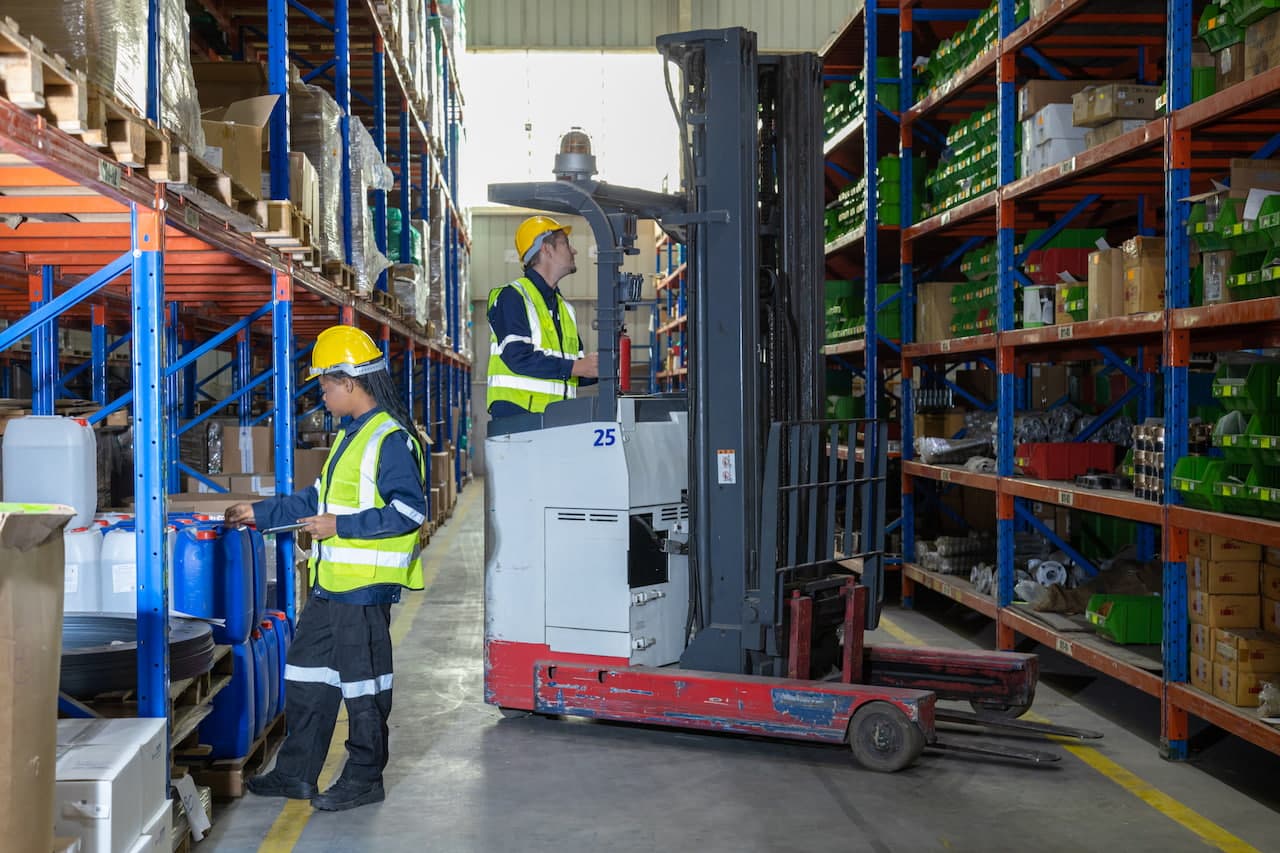
Forklift Licence Classes: LF vs LO for Employers
Queensland has two forklift licence classes and they do not cover each other. What LF and LO each authorise, and what to put on your next job order.
Youngbrook Team
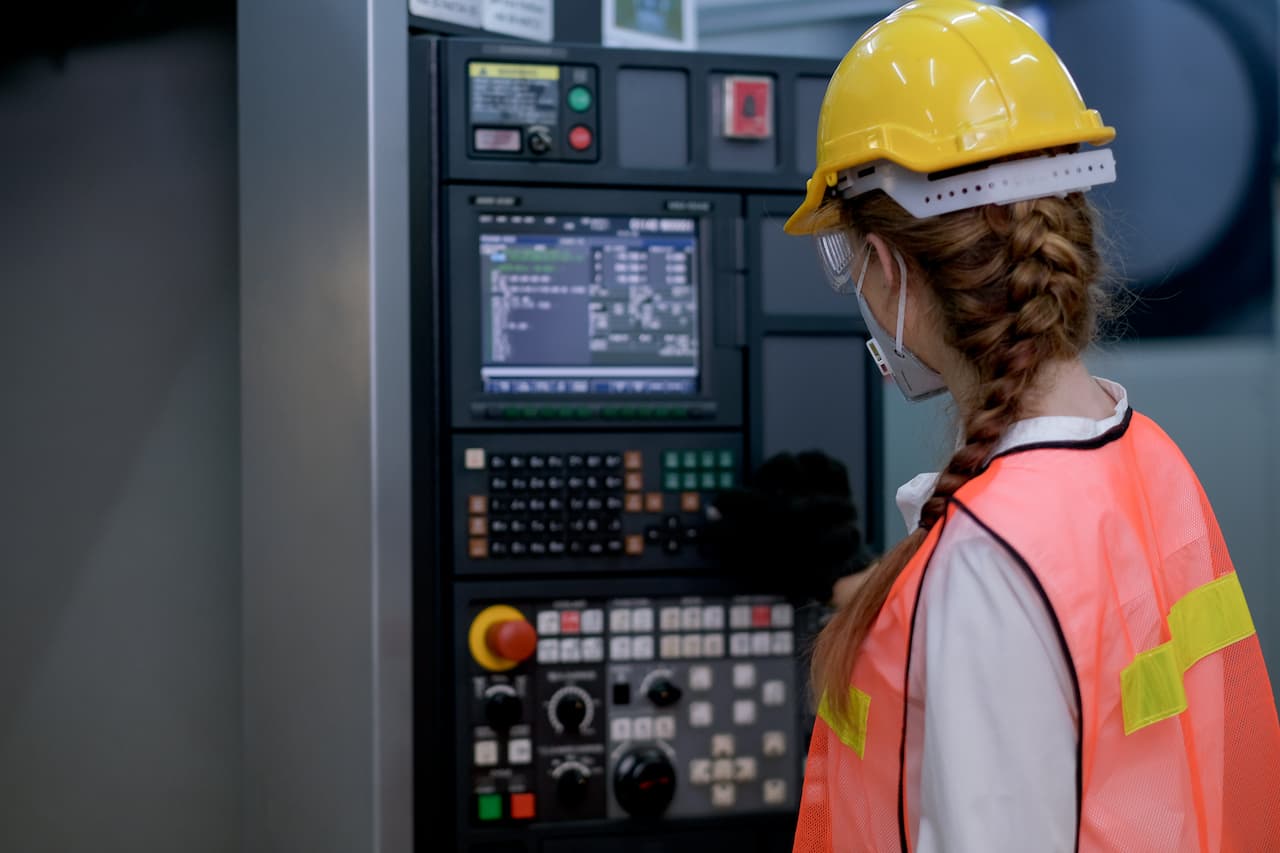
How to Classify Machine, Production and Process Workers
The Manufacturing Award classifies on training and supervision, not job titles. Machine operation alone spans three wage groups, and the gap costs money in both directions.
Youngbrook Team