Employers ResourcesReading time: 8 minutes
How Sales and Marketing Recruitment Works in Brisbane
Sourcing candidates who aren't job-hunting, reading commercial judgement in an interview, and knowing when contract beats permanent. Here's what's actually involved

Written byYoungbrook Team
Published Date
Why Sales and Marketing Hiring Is Different to Other Roles
Hiring a fitter or a forklift operator, you can check a ticket. Hiring a sales or marketing professional, you’re relying almost entirely on judgement — theirs and yours. That’s what makes this category harder than most employers expect going in.
Skills Are Hard to Verify From a CV Alone
A CV can tell you someone hit target three years running. It can’t tell you whether that was a strong market carrying a mediocre performer, or a genuinely capable salesperson working against the odds. The same applies in marketing — a portfolio of campaigns says nothing about whether the results came from strategy or from budget.
For a sales and marketing recruitment agency in Brisbane, this is the actual job: separating genuine capability from a well-presented resume, through structured conversation and reference checks that go beyond “would you rehire them.”
The Cost of a Bad Hire Is Higher in Revenue-Facing Roles
A weak hire in an operational role slows one process down. A weak hire in a sales or marketing role can cost you client relationships, pipeline, and brand reputation. This could happen often before anyone notices something’s wrong, because underperformance in these roles is easy to mask for a few months with activity that looks like progress.
That’s the real argument for getting the hiring process right the first time, rather than treating it as a formality before the offer goes out.

What a Recruitment Agency Actually Does for Sales and Marketing Roles
Strip away the pitch language and a sales and marketing recruitment agency in Brisbane does three things. It finds people you wouldn’t have found yourself, assesses them properly, and manages the process so nothing falls through.
Sourcing Beyond Active Job Seekers
Post a job ad and you’ll hear from people currently looking. That’s a smaller pool than it sounds. It also skews toward candidates between roles rather than candidates performing well where they are.
The stronger BDMs, account managers, and marketing leads are usually employed and not scanning Seek. Reaching them means direct outreach and existing networks. Those are the parts of recruitment a job ad can’t replicate, regardless of how well it’s written.
Assessing Pipeline Discipline and Communication Style, Not Just Experience
A CV shows where someone’s worked. It doesn’t show how they handle a stalled deal, a missed target, or a campaign that underperformed.
A proper assessment process digs into that. It looks at how a candidate talks through a loss, not just a win, and whether their communication style suits your team and your clients. For marketing roles, this extends to reviewing actual work. Campaign results they can speak to in detail matter more than results listed on a slide.
Managing the Process End to End
Interview scheduling, reference checks, offer negotiation, start dates. Every step is a place where a good candidate can go quiet or take another offer.
Part of what an agency does is keep that process moving, so momentum doesn’t stall between “we liked them” and “they’ve started.”

Permanent, Contract or Temporary: Which Model Fits
Not every sales or marketing hire needs to be permanent, and treating every vacancy the same way is a common mistake.
When Permanent Makes Sense
If the role is core to how your business generates revenue long term, a Business Development Manager building relationships over years, or a Marketing Manager owning your brand strategy, permanent is usually the right call. These roles benefit from continuity. Clients and stakeholders build trust with a consistent point of contact, and that trust is hard to replicate every time someone new starts.
Permanent recruitment also suits roles where onboarding takes real time. A senior account manager needs months to understand your client base properly. That investment only pays off if the person sticks around.
When Contract or Temporary Support Is the Better Call
Not every need is permanent. A product launch might need a short-term campaign specialist. A territory might need sales coverage while you search for the right permanent hire. Parental leave, a sudden spike in demand, or a defined project scope are all situations where contract staffing or temporary support makes more sense than a permanent commitment.
This model also works well for testing. Bringing someone in on contract before extending a permanent offer gives both sides a genuine trial period, without either party locking in on a CV and an interview alone.
The honest answer is that most businesses need both models at different points. Knowing which one fits the role in front of you now is what keeps hiring decisions sound.

What to Look For in a Sales and Marketing Recruitment Partner
Not every agency that says it recruits for sales and marketing actually specialises in it. That distinction matters more in this category than most.
Specialisation in Commercial Roles vs Generalist Recruitment
A generalist agency filling admin roles on Monday and sales roles on Tuesday is working from the same playbook for both, even though the two require completely different assessment. Sales and marketing hiring depends on reading commercial judgement, resilience under a target, and communication style under pressure. That’s a different skill set to checking a ticket or confirming availability for a shift.Ask directly how many sales or marketing placements an agency has made recently, and in what kind of roles. A vague answer is itself an answer.
What a Genuine Assessment Process Should Cover
A proper process goes past a CV review and a friendly chat. It should include structured interview questions that get candidates talking through real scenarios, not rehearsed answers. It should include reference checks that ask specific questions about performance, not just whether the person was reliable. For marketing candidates, it should include a genuine look at the work itself, not just a portfolio link skimmed once.If an agency can’t describe its process beyond “we find good people,” that’s worth noticing before you commit to using them.
About the Author
Youngbrook Team
Insights, advice, and industry updates from the Youngbrook Recruitment team, covering hiring, compliance, and workforce trends across Australia.
Ready to Hire? Talk to Youngbrook
Sales and marketing hiring carries more risk than most roles because the cost of getting it wrong shows up in revenue, not just rostering. If you’re building out a commercial team in Brisbane and want a process built around that, submit your enquiry below. We’re ready to help.
Call us directly: 07 3399 6899
Office hours: Monday to Friday, 7am to 6pm
Latest Resources

Hiring Warehouse Staff in Brisbane: Which Role You Need
Storeperson, pick packer or inventory controller? They are not interchangeable, and hiring the wrong one costs you weeks. Here is what each warehouse role actually does, and how to work out which one your operation needs.
Youngbrook Team
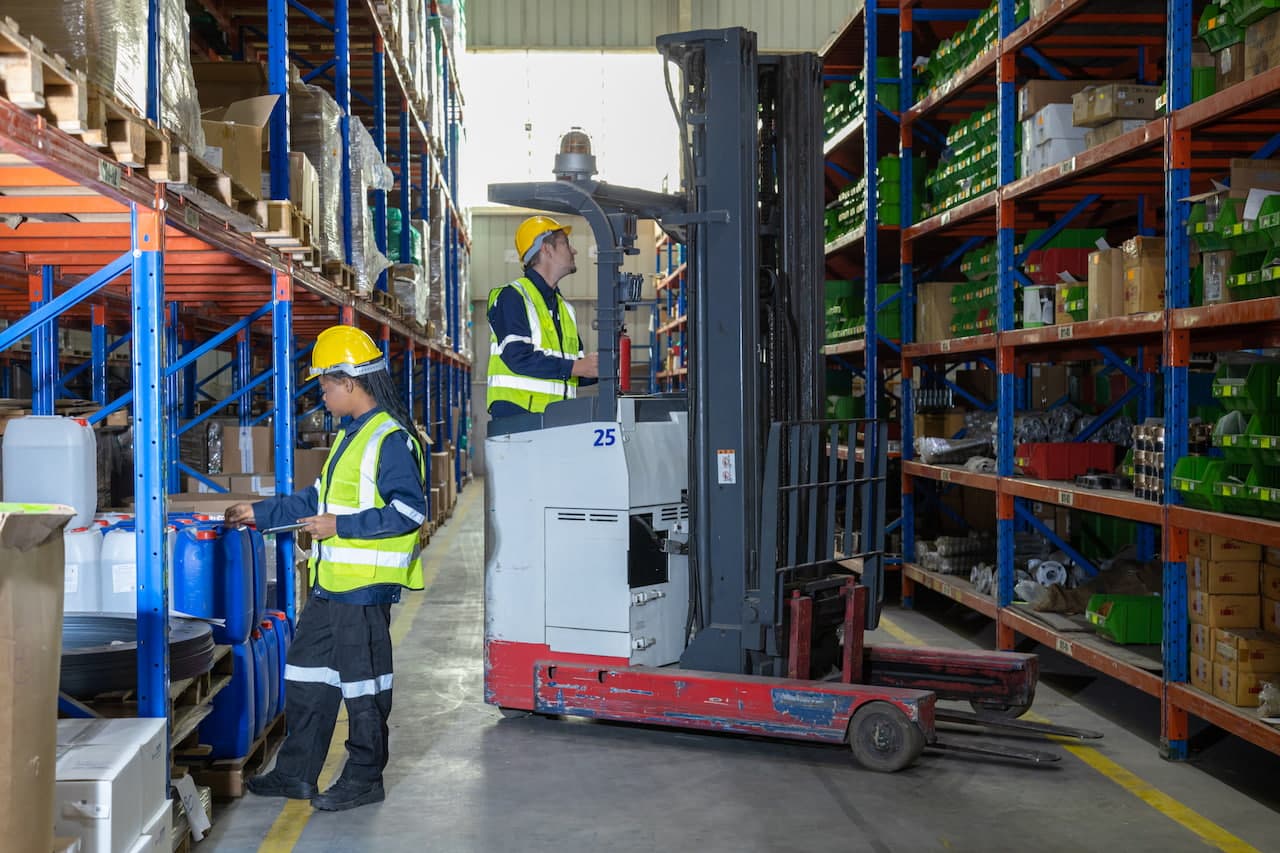
Forklift Licence Classes: LF vs LO for Employers
Queensland has two forklift licence classes and they do not cover each other. What LF and LO each authorise, and what to put on your next job order.
Youngbrook Team

How to Classify Machine, Production and Process Workers
The Manufacturing Award classifies on training and supervision, not job titles. Machine operation alone spans three wage groups, and the gap costs money in both directions.
Youngbrook Team