Employers ResourcesReading time: 8 minutes
Hiring Truck Drivers in Brisbane: What Employers Need to Know
Truck driver hiring in Brisbane is slower and more competitive than most logistics employers expect. This guide covers licence classes, what's driving the shortage, and how to structure your hiring process to secure licensed drivers before a competitor does.

Written byYoungbrook Team
Published Date
Introduction
Filling a warehouse role in Brisbane is hard enough. Filling a driver role is harder for different reasons.
The candidate pool is smaller, the licence requirements are non-negotiable, and the competition for experienced drivers is coming from directions most employers do not expect. A transport company, a distribution centre, and a civil infrastructure project can all be chasing the same MC-licensed driver at the same time, with little overlap in their industries but identical urgency in their hiring.
This guide is for Brisbane employers who need to hire truck drivers and are finding the process slower and more difficult than it should be. It covers why the shortage is structural, where hiring processes typically break down, and what you can do to improve your outcomes.
Why Truck Driver Hiring Is Different From Other Logistics Roles
Most logistics roles have a degree of flexibility in how you assess candidates. With truck drivers, the licence is the starting point, and there is no workaround.
This creates a hiring dynamic that is fundamentally different from warehouse or dispatch roles, where experience and attitude can sometimes compensate for gaps in formal qualifications.
Licence classes narrow the pool immediately
Queensland truck licences follow a progressive structure — LR, MR, HR, HC, MC — and each class takes time and cost to obtain. A candidate cannot upgrade their licence in a week to meet an urgent vacancy. The pool of available drivers is defined entirely by who already holds the right class.
For MR roles, that pool is reasonable but contested. For HR and above, it narrows considerably. MC-licensed drivers in Brisbane are in genuinely short supply, and the ones who are available tend to have options and know it.
When you post a driver role, you are not advertising to the broad labour market. You are advertising to a much smaller group — and a portion of that group is already employed, not actively looking, or fielding multiple approaches at once.
Experience behind the wheel is hard to shortcut
Holding the right licence is the entry requirement, not the full picture. Most transport operators need drivers who are familiar with specific vehicle types, freight categories, run structures, and metropolitan versus highway driving conditions.
A driver with an HR licence but limited experience on a multi-drop metropolitan run is a different proposition from one who has done it for three years. That gap matters operationally, and bridging it takes time that most employers do not have when a role is open and freight needs to move.
This is one reason driver roles tend to take longer to fill than equivalent warehouse positions, even when pay is competitive and the ad is well-written.

What's Driving the Shortage in Brisbane
The difficulty in finding licensed drivers is not a temporary market condition. It reflects structural pressures that have been building for several years and are unlikely to ease in the near term.
Understanding what is driving the shortage helps frame realistic expectations around time-to-fill and shapes how employers approach both recruitment and retention.
An ageing driver workforce
A significant proportion of experienced truck drivers in Queensland are in the older age brackets of the workforce. Retirement is removing experienced drivers from the pool at a rate that new entrants are not keeping pace with.
Gaining a heavy vehicle licence requires time, training costs, and in many cases, an employer willing to take on someone without runs on the board. That barrier to entry keeps the pipeline of new drivers thinner than demand requires. Most new entrants start out as delivery drivers in van and MR roles, and the speed at which they can progress to heavier licence classes depends on finding employers prepared to invest in that upgrade path.
The result is a workforce where experienced drivers are a finite and shrinking resource, and competition for them increases as that resource contracts.
Infrastructure and civil projects competing for the same licences
Brisbane’s infrastructure pipeline has created sustained demand for licensed heavy vehicle operators that goes well beyond the transport industry. Ongoing construction, road and rail projects, and logistics expansion tied to the 2032 Olympics are all drawing from the same licensed pool at the same time.
Civil and construction projects require HR and HC-licensed operators for tippers, concrete agitators, and materials haulage. These roles often offer competitive rates and structured rosters, which makes them a genuine alternative for drivers who might otherwise be filling freight and distribution roles.
The competition is not always visible to a transport operator focused on their own vacancy. But it is real, and it draws from the same licensed pool. We cover this dynamic in more detail in our guide to warehouse recruitment in Brisbane, where broader infrastructure demand tightens the available workforce across the entire logistics corridor.

Where the Hiring Process Breaks Down
Even when an employer has a competitive role and a clear job ad, the hiring process itself is often where drivers are lost. The window between a driver showing interest and a driver starting work is narrower than most employers account for, and small delays compound quickly in a market where candidates have options.
Time-to-fill is longer than most employers expect
Driver roles in Brisbane regularly take two to four weeks to fill, and for HC and MC classes, longer. This is not always a reflection of the role itself. It is a function of how few suitable candidates are actively available at any given time.
Employers who benchmark their driver hiring against warehouse or administration hiring tend to underestimate the timeline. Planning for a faster fill than the market typically delivers creates pressure that leads to rushed decisions, which in turn increases the risk of an early exit from a candidate who was not the right fit.
For businesses that need a driver in the seat while a permanent hire is being processed, temporary staffing keeps operations moving without forcing a decision before the right candidate is found.
How employers lose drivers between offer and start
Active drivers in the Brisbane market are rarely considering only one opportunity. A candidate who accepts your role on Wednesday may receive another offer on Friday. Without a reason to stay committed, the gap between acceptance and start date is where attrition happens.
Long pre-employment processes add to this risk. Every additional day between offer and first shift is a day a competitor can close the gap. This does not mean cutting corners on necessary steps. It means auditing the process honestly and asking which steps are adding genuine value and which are adding delay.
Clear and consistent communication during this period matters more than most employers realise. A candidate who hears nothing between signing their contract and their start date has no reinforcement of their decision. One who receives a confirmation call and a clear first-day brief is considerably less likely to withdraw.
For roles where consistency matters long term, permanent recruitment reduces the cycle of repeat hiring that open-ended temporary arrangements can sometimes create.

How to Structure a Driver Role That Attracts Applications
The shortage of licensed drivers does not mean a well-structured role cannot attract strong candidates. It means the role needs to be positioned clearly and honestly, and the process needs to move at a pace that matches how active drivers make decisions.
What drivers actually compare when choosing a role
Pay rate is important but it is rarely the only factor. Drivers weigh up run type, hours, home time, vehicle condition, and the stability of the employer. A metropolitan multi-drop role and a regional linehaul role may pay similarly but appeal to entirely different candidates based on lifestyle and preference.
Employers who understand what their role actually offers beyond the hourly rate are better placed to attract candidates who are genuinely suited to it. A stable Monday to Friday metropolitan run with consistent hours is a strong proposition for a driver with family commitments. Positioning it that way in the ad will reach a different candidate than one who only leads with the pay rate.
Retention in driver roles is closely tied to whether the reality of the job matches what the candidate expected when they accepted. It also depends on who is running the operation day to day. An experienced transport manager who allocates runs fairly, keeps vehicles maintained and communicates roster changes early will hold drivers that a poorly managed depot loses within months.
You can read more about how hiring decisions affect long-term retention in our guide to employee retention strategies.
What a strong driver job ad includes
Most driver job ads underperform because they omit the details candidates need to make a decision. A strong ad answers the following without requiring the candidate to call and ask.
The exact location where the role is based. The licence class required. The vehicle type and freight category. The shift structure and start times. The pay rate or range. Whether the role is permanent, contract, or casual. A direct contact for questions.
Ads that leave any of these unanswered create uncertainty. In a market where a driver has three tabs open and is comparing opportunities side by side, uncertainty is enough to move on. Specificity does not just improve application quality. It reduces the number of candidates who accept a role and withdraw once the details become clearer later in the process.
For employers weighing up how to resource the hiring process itself, our breakdown of labour hire vs temporary staffing outlines when each model is the right fit for transport and logistics roles.

When to Use a Recruitment Agency for Driver Roles
Internal hiring works well when the candidate pool is accessible and the process is straightforward. Driver recruitment in Brisbane is neither of those things consistently, and the gaps tend to show up at the worst possible time. When a run needs covering, a contract starts Monday, or a driver exits with little notice.
The value of working with a recruitment agency is not just speed, although access to a pre-qualified pool of licensed candidates does reduce time-to-fill meaningfully. It is also about not starting from zero every time a vacancy opens. Agencies working across supply chain and logistics maintain active relationships with drivers who are not on job boards and are not responding to ads.
Some employers use temporary coverage while a permanent hire is processed in parallel, which keeps freight moving without forcing a rushed decision on a long-term appointment. The cost implications of that approach are covered in our guide to how much labour hire costs in Brisbane.
Driver shortages in Brisbane are not going to resolve quickly. Businesses that build a reliable sourcing channel now are in a stronger position than those who return to the market cold each time a role opens.
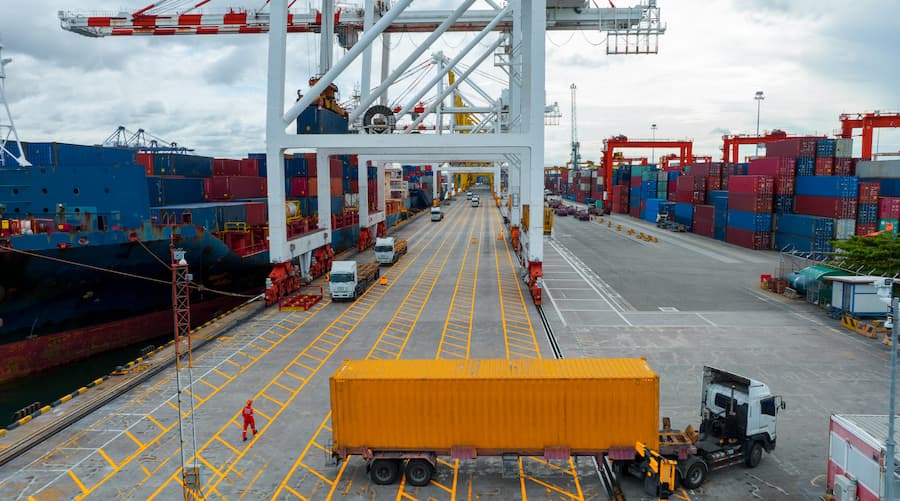
Queensland Truck Licence Classes at a Glance
Understanding licence classes helps employers write accurate job ads, assess candidates correctly, and avoid advertising for a class higher than the role genuinely requires, which unnecessarily shrinks the available pool.
| Licence Name and Class | Vehicles Covered | Common Roles |
|---|---|---|
| Light Rigid | Rigid vehicles over 4.5t GVM with up to 2 axles | Delivery drivers, courier roles |
| Medium Rigid | Rigid vehicles over 8t GVM with 2 axles | Local delivery, metro freight runs |
| Heavy Rigid | Rigid vehicles over 8t GVM with 3+ axles | Bulk delivery, larger freight |
| Heavy Combination | Semi-trailers, B-trains | Interstate freight, distribution |
| Multi-Combination | Road trains, A, B and AB-trains | Long haul, heavy haulage |
About the Author

Youngbrook Team
Insights, advice, and industry updates from the Youngbrook Recruitment team, covering hiring, compliance, and workforce trends across Australia.
Ready to Hire? Talk to Youngbrook
Finding licensed, reliable truck drivers in Brisbane takes longer than most roles and requires a sourcing approach that goes beyond job board advertising. If driver vacancies are affecting your operations or you need coverage while a permanent hire is underway, we can help.
Call us directly: 07 3399 6899
Office hours: Monday to Friday, 7am to 6pm
Latest Resources

Hiring Warehouse Staff in Brisbane: Which Role You Need
Storeperson, pick packer or inventory controller? They are not interchangeable, and hiring the wrong one costs you weeks. Here is what each warehouse role actually does, and how to work out which one your operation needs.
Youngbrook Team
Forklift Licence Classes: LF vs LO for Employers
Queensland has two forklift licence classes and they do not cover each other. What LF and LO each authorise, and what to put on your next job order.
Youngbrook Team
How to Classify Machine, Production and Process Workers
The Manufacturing Award classifies on training and supervision, not job titles. Machine operation alone spans three wage groups, and the gap costs money in both directions.
Youngbrook Team